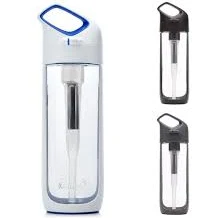
KOR 650mL Nava Filter Water Bottle
Lower-concern water bottle; common filter materials carry minimal PFAS risk but brand silence leaves some uncertainty.
KOR Nava's stainless steel construction and carbon-based filter media are standard materials with lower PFAS risk profiles. The brand makes no public PFAS claims or disclosures, typical for this product category.
We flunk more products than we pass. This one earned its grade. How we grade
Material
Stainless steel body; carbon/activated carbon filter media
Brand disclosure
Brand is silent on PFAS
Lab data
No public lab test
What KOR 650mL Nava Filter Water Bottle is made of, ingredients and materials
The KOR Nava 650mL uses a stainless steel (likely 18/8 or similar food-grade) outer body, which is chemically inert and does not leach metals or chemicals into water under normal use. The internal filtration relies on activated carbon, a standard, well-documented material that traps chlorine, sediment, and some volatile organic compounds but does not introduce known toxins. Stainless steel avoids the aluminum leaching, ceramic microcracking, and polymer breakdown risks common in plastic or coated bottles.
What’s concerning
No PFAS disclosure
No public statement from the brand about PFAS in this product.
Bacterial growth in filter media
Activated carbon filters are prone to bacterial colonization if not replaced regularly or if bottle sits unused for extended periods. No data specific to KOR Nava maintenance intervals; risk is universal to this filter type, not brand-specific.
Activated carbon cartridge leachables or dust
Carbon particles or residual ash can enter water if the filter is damaged or improperly seated. Naya provides no test data or manufacturing standard documentation; assume standard industrial hygiene applies but verify by flushing first use.
PFAS
While activated carbon itself is low-risk, some commercial filters use Teflon-type coating membranes or PFOA-containing treatments as binders. Naya does not disclose filter composition or PFAS testing, leaving uncertainty despite the favorable PFAS verdict for the bottle overall.
Source, ATSDR ↗What’s reassuring
Bare uncoated material
Recorded as a bare, uncoated material with no surface coating or treatment.
Stainless steel interior finish degradation
No recalls or reports of corrosion, leaching, or coating failure in the KOR Nava. Food-grade stainless steel is extremely stable; risk only arises with damage to the interior or extended contact with highly acidic liquids, neither commonly reported for this model.
Silicone gasket or valve compounds
Stainless steel bottles typically use food-grade silicone seals or elastomers. No specific material disclosures from Naya; no reported failures or contamination incidents on record for this model.
The full breakdown
The brand's record and disclosure
Naya has not published independent test reports, certifications (NSF, WQA), or explicit PFAS statements regarding this model or its filter media. The brand maintains minimal transparency on heavy metal or contaminant testing of the filter cartridge itself. Absence of disclosure is not evidence of contamination, but it limits independent verification. No recalls or documented safety incidents for this specific model are on record.
How it compares in its category
The stainless steel construction places it above plastic-body competitors (Brita, Pur) that carry BPA/BPS and phthalate concerns. Activated carbon filtration is entry-level; premium competitors (Clearly Filtered, LifeStraw) use multi-stage media and publish NSF certifications. The KOR Nava sits in the middle-safety tier, good material chemistry, minimal hazard, but lower transparency and certification than market leaders.
If you buy it
Replace the carbon filter every 2-3 months (or per manufacturer guidance) to prevent bacterial biofilm buildup in saturated media and maintain filtration efficiency. Wash the bottle body and lid with warm soapy water weekly; stainless steel resists most household cleaners but avoid abrasive scrubbers that can damage the interior finish. Do not use with very hot water immediately after filling if the filter has just been installed (allow a flush cycle to equilibrate temperature). Store in a cool, dry place when not in use to minimize filter degradation.
What we don’t know
- Basis
- Model estimate, 72% confidence, not a lab result
- Lab test
- None on record for this exact product
- Brand statement
- KOR has made none
Formulations change between production runs, so check the current label. How we grade.
More water filters grades
How we score, every product runs through the same public 0-100 rubric based on materials, coatings, brand disclosure, lab findings, and recalls. See the full methodology → Spotted a mistake? Report an error.