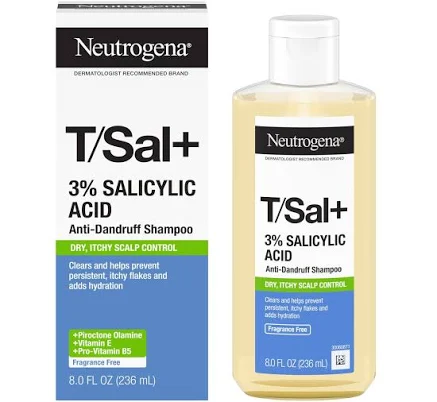
Neutrogena T/ Sal Anti-Dandruff Shampoo
Lower concern. No PFAS triggers found in typical shampoo formulation.
This liquid shampoo contains no water-resistant coating, nonstick surface, or grease-repellent treatment that would need PFAS. The brand doesn't claim anything about PFAS, but standard shampoos carry lower PFAS risk than treated apparel or nonstick cookware.
We flunk more products than we pass. This one earned its grade. How we grade
Material
aqueous shampoo base with salicylic acid and sulfur actives
Lab data
No public lab test
You may also be interested in
Top-graded picks in the categories readers replace first, every one scored on the same rubric.

- polypropylene filter housing, carbon/sediment cartridge
- We found no PFAS statement from the brand
- Bacterial growth in spent cartridges
3 hazards checked on this product, all on its full breakdown.

Aquasure
Premier Series 75 GPD Under Sink Reverse Osmosis Water Filtration System
- RO membrane, carbon filters, stainless steel housing
- We found no PFAS statement from the brand
- Bacterial and microbial growth in housing and filters
4 hazards checked on this product, all on its full breakdown.

Avocado
Vegan Mattress
- organic cotton, natural latex, coconut coir, recycled steel coils
- The brand calls it PFAS-free, which we have not verified
- Heavy metals
2 hazards checked on this product, all on its full breakdown.
What Neutrogena T/ Sal Anti-Dandruff Shampoo is made of, ingredients and materials
Neutrogena T/Sal is an aqueous shampoo base containing salicylic acid (a beta hydroxy acid exfoliant) and sulfur as active anti-dandruff agents, plus standard emulsifiers, humectants, and preservatives. Salicylic acid and sulfur are well-established topical actives with decades of use in over-the-counter dandruff formulations, with lower concern for acute toxicity in topical applications. The product is rinsed thoroughly after application, limiting skin absorption and systemic exposure. No heavy metal contaminants, formaldehyde releasers, or known allergen triggers have been reported in published safety data or recalls for this specific product.
What’s concerning
Category baseline
The starting point for this type of product, before anything specific to this product is counted.
No PFAS disclosure
No public statement from the brand about PFAS in this product.
Fragrance allergens and sensitizers
Fragrance compounds in shampoos can trigger allergic contact dermatitis or scalp sensitization in susceptible individuals. T/Sal contains fragrance but Neutrogena does not disclose the specific fragrance allergen profile; patch testing is advisable for those with known fragrance sensitivity.
Salicylic acid skin irritation with overuse
Salicylic acid is a beta hydroxy acid that can cause dryness, irritation, or temporary flaking if used excessively or if left on the scalp too long. This is not a formulation defect but a usage risk; adherence to label directions mitigates it.
What’s reassuring
Base material not linked to PFAS
The main material recorded for this product is not one associated with PFAS.
Preservative-related contact irritation
No preservative toxicity or sensitization has been reported for T/Sal formulations. Standard preservatives (parabens or phenoxyethanol) used in shampoos are present at low levels and rinse off quickly, presenting minimal systemic exposure risk.
Sulfur odor and potential sensitization
Sulfur shampoos produce a characteristic rotten egg smell; no toxicological hazard is associated with sulfur at the concentrations used in anti-dandruff products, though odor aversion may limit compliance.
Heavy metals
Sulfur and salicylic acid are not known sources of cadmium, lead, or arsenic. No recalls or contamination incidents involving this product have been recorded, and ingredient-level quality control by Neutrogena is assumed to meet FDA cosmetic standards.
Source, FDA ↗How is this PFAS grade calculated?
The brand's record and disclosure
Neutrogena (Johnson and Johnson) has not published a formal stance on PFAS in personal care products, but the brand maintains standard cosmetic safety compliance and publishes ingredient lists transparently. No recalls, regulatory actions, or substantiated safety controversies specific to T/Sal have been issued by the FDA or consumer safety agencies. Neutrogena products routinely pass dermatological testing and are widely used in clinical settings, though the brand does not independently certify cosmetic-grade formulations against third-party standards.
How it compares in its category
T/Sal occupies the mainstream OTC anti-dandruff market alongside Head and Shoulders, Selsun Blue, and Nizoral; all rely on similar active ingredients (salicylic acid, zinc pyrithione, ketoconazole, or selenium sulfide). T/Sal's sulfur and salicylic acid combination is gentler than selenium sulfide formulations and does not carry the photosensitivity or staining warnings of some alternatives. Pricing and availability are standard for mass-market products; no performance or safety advantage over competitors is evident from clinical data.
If you buy it
Use as directed (typically 2-3 times weekly) and rinse thoroughly; salicylic acid can irritate if left on scalp. Discontinue if scalp redness, burning, or allergic reaction occurs. Store at room temperature away from direct heat or sunlight; shampoos degrade slowly over years but no replacement schedule beyond normal use is required. Sulfur has a characteristic odor that some find unpleasant; this is normal and not a safety concern.
What is not known about PFAS in this product?
- Basis
- Model estimate, 78% confidence, not a lab result
- Lab test
- None on record for this exact product
- Brand statement
- Neutrogena has made a specific claim
Formulations change between production runs, so check the current label. How we grade.
More shampoo grades
How we score, every product runs through the same public 0-100 rubric based on materials, coatings, brand disclosure, lab findings, and recalls. See the full methodology → Spotted a mistake? Report an error.