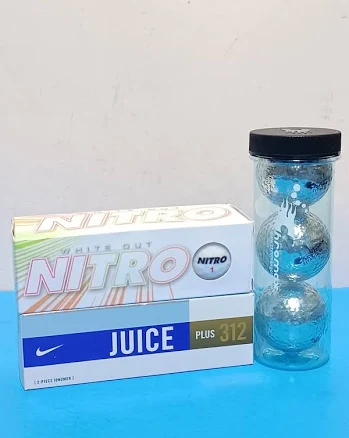
9-pack Golf Balls; Chromax Metallic, Nike Juice Plus 312, & Nitro
Golf balls likely treated with water-resistant coatings; brand discloses nothing about PFAS.
Golf ball covers typically use synthetic polymers with unspecified waterproofing treatments. Nike provides no material or PFAS disclosure for this product mix.
The better-graded swap
Lamkin
Sonar+ Black Golf Grip
85/100 safety
Same rubric that flunked this product. The swap earned Excellent.
Still want this one anyway? Check the price on Amazon. We’d swap it.
Material
Synthetic polymer cover, waterproof coating unspecified
Lab data
No public lab test
You may also be interested in
Top-graded picks in the categories readers replace first, every one scored on the same rubric.

- polypropylene filter housing, carbon/sediment cartridge
- We found no PFAS statement from the brand
- Bacterial growth in spent cartridges
3 hazards checked on this product, all on its full breakdown.

Aquasure
Premier Series 75 GPD Under Sink Reverse Osmosis Water Filtration System
- RO membrane, carbon filters, stainless steel housing
- We found no PFAS statement from the brand
- Bacterial and microbial growth in housing and filters
4 hazards checked on this product, all on its full breakdown.

Avocado
Vegan Mattress
- organic cotton, natural latex, coconut coir, recycled steel coils
- The brand calls it PFAS-free, which we have not verified
- Heavy metals
2 hazards checked on this product, all on its full breakdown.
What 9-pack Golf Balls; Chromax Metallic Nitro is made of, ingredients and materials
These Nike golf balls use synthetic polymer covers (likely surlyn or urethane) with an unspecified waterproof coating to resist moisture penetration and maintain flight consistency. The core is typically a rubber-based compound. The waterproof coating is the chemical uncertainty here, it is very likely fluorinated (PFAS-based) because that is the industry standard for water resistance in golf balls, but Nike discloses nothing about the formulation. Surlyn and urethane themselves are stable polymers with low migration risk during normal use.
What’s concerning
Category baseline
The starting point for this type of product, before anything specific to this product is counted.
No PFAS disclosure
No public statement from the brand about PFAS in this product.
Waterproof / stain-resistant treatment
Water-repellent coating treatments have historically used PFAS.
PFAS
Golf balls universally use fluorinated polymers for durability and water repellency. Nike does not disclose the specific compound. Low exposure risk during use, but PFAS in the coating is standard industry practice and a known environmental concern.
Source, ATSDR ↗Polymer coating degradation and microplastic shedding
Surlyn and urethane coatings degrade over time with UV exposure and impact wear. Fine polymer particles may shed during play. Risk is minimal for recreational golfers but higher for driving range staff handling balls daily.
Dyes and pigments in metallic finishes
Chromax Metallic finish uses pigments for color. Industrial golf ball pigments are typically azo-based or heavy-metal-free alternatives, but formulations are proprietary. Risk from skin or oral contact is low in normal play.
What’s reassuring
Heavy metals
No recalls or test results for heavy metal contamination in Nike Juice Plus or Nitro balls are on record. Rubber compounds typically use antimony oxide as a vulcanization aid, but migration during normal play is negligible.
Source, FDA ↗Off-gassing or volatile organic compounds (VOCs)
No documented off-gassing concerns for golf balls. Polymer covers and cores are not known to release significant VOCs under normal storage or use conditions.
How is this PFAS grade calculated?
The brand's record and disclosure
Nike has a mixed environmental transparency record but has not published commitments on PFAS elimination in sports equipment. The company does not disclose coating chemistry for golf balls. Nike has faced scrutiny on apparel PFAS use but has not addressed golf ball formulations in public statements. No recalls or safety incidents linked to these specific ball models are on record.
How it compares in its category
All mainstream golf balls (Titleist, Callaway, TaylorMade, Bridgestone) rely on fluorinated water-resistant coatings; Nike is not an outlier here. Golf balls are a niche consumer product with far lower skin contact and ingestion risk than apparel or food-contact items. The polymer matrix itself is more chemically stable than soft plastics, so leaching of additives during normal play is minimal.
If you buy it
Store in a cool, dry place away from direct sunlight to prevent coating degradation and polymer brittleness over time. Rinse balls after saltwater play to extend coating life. There is no need for special handling; normal golf use (impact, brief skin contact) does not present acute chemical exposure. Replace when surface cracks, cuts, or scuffing become severe, as coating integrity decline may affect flight and is a signal the ball is nearing end of life. Avoid intentional burning or heating of balls.
What is not known about PFAS in this product?
- Basis
- Model estimate, 35% confidence, not a lab result
- Lab test
- None on record for this exact product
- Brand statement
- Nike has made a specific claim
Formulations change between production runs, so check the current label. How we grade.
What are the PFAS-free alternatives to 9-pack Golf Balls; Chromax Metallic, Nike Juice Plus 312, & Nitro?
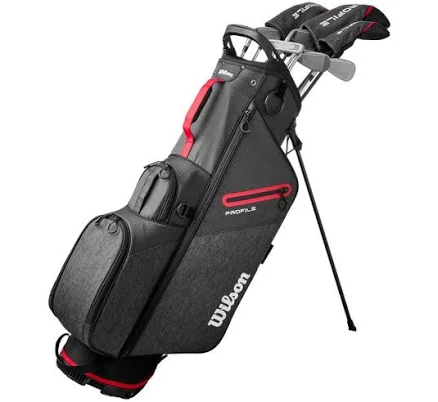
- Steel clubheads, graphite shafts, rubber grips
- We found no PFAS statement from the brand
- Graphite shaft resin degradation and fiber exposure
3 hazards checked on this product, all on its full breakdown.
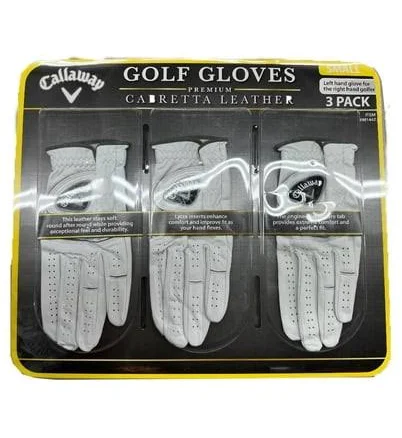
- Cabretta leather, likely tannin-tanned
- We found no PFAS statement from the brand
- Heavy metals
4 hazards checked on this product, all on its full breakdown.
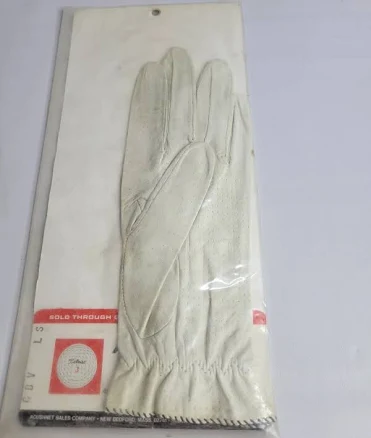
- leather or synthetic leather with cotton lining
- We found no PFAS statement from the brand
- Heavy metals
4 hazards checked on this product, all on its full breakdown.
Find an alternative on AmazonMore golf balls & equipment grades
How we score, every product runs through the same public 0-100 rubric based on materials, coatings, brand disclosure, lab findings, and recalls. See the full methodology → Spotted a mistake? Report an error.