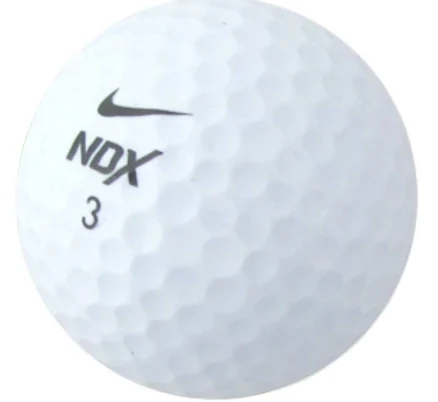
Nike NDX Turbo Distance Golf Balls
Golf ball waterproof coatings often contain PFAS; Nike discloses nothing.
Golf ball dimple coatings commonly use water-repellent treatments that may contain PFAS. Nike provides no public information on PFAS presence or absence.
The better-graded swap
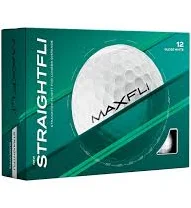
Maxfli
Maxfli StraightFli Graffiti Golf Balls
85/100 safety
Same rubric that flunked this product. The swap earned Excellent.
Still want this one anyway? Check the price on Amazon. We’d swap it.
Material
Surlyn/synthetic polymer core with dimple coating
Lab data
No public lab test
You may also be interested in
Top-graded picks in the categories readers replace first, every one scored on the same rubric.

- polypropylene filter housing, carbon/sediment cartridge
- We found no PFAS statement from the brand
- Bacterial growth in spent cartridges
3 hazards checked on this product, all on its full breakdown.

Aquasure
Premier Series 75 GPD Under Sink Reverse Osmosis Water Filtration System
- RO membrane, carbon filters, stainless steel housing
- We found no PFAS statement from the brand
- Bacterial and microbial growth in housing and filters
4 hazards checked on this product, all on its full breakdown.

Avocado
Vegan Mattress
- organic cotton, natural latex, coconut coir, recycled steel coils
- The brand calls it PFAS-free, which we have not verified
- Heavy metals
2 hazards checked on this product, all on its full breakdown.
What Nike NDX Turbo Distance Golf Balls is made of, ingredients and materials
Nike NDX Turbo golf balls use a Surlyn ionomer resin core, a synthetic polymer chosen for durability and water resistance. The outer cover includes a dimple pattern coating designed to control flight and maintain performance in wet conditions. Surlyn itself is not established as a direct toxicant when ingested in normal handling, but the waterproofing treatments applied to golf ball surfaces are the primary concern, as fluorinated compounds are industry-standard in this application to repel water and extend playability.
What’s concerning
Category baseline
The starting point for this type of product, before anything specific to this product is counted.
No PFAS disclosure
No public statement from the brand about PFAS in this product.
Waterproof / stain-resistant treatment
Water-repellent coating treatments have historically used PFAS.
PFAS
Golf ball covers require water-repellent chemistry; fluorinated compounds are the dominant technology in the category. Nike's silence on this formulation, combined with industry practice, makes PFAS presence probable but unconfirmed by the brand.
Source, ATSDR ↗Microparticle shedding from cover degradation
Golf ball covers naturally degrade through play, UV exposure, and storage. Shed polymeric particles accumulate in soil and water systems; if the coating contains PFAS or other treatments, fragmentation increases environmental and secondhand human exposure over time.
Indirect ingestion by children or wildlife
Golf balls are small enough to be swallowed by young children or pets and may be mistaken for toys. While the ball itself is unlikely to cause acute toxicity, any PFAS or coatings in contact with mucous membranes pose a secondary exposure route not addressed by Nike's product guidance.
What’s reassuring
Ionomer resin (Surlyn) leaching under stress
Surlyn is a stabilized polymer and does not release monomers or plasticizers under normal play conditions. No established toxicant profile exists for this material in consumer use; the core is not a primary concern unless balls are heated or mechanically shredded.
Heavy metals
Golf ball paints and coatings may contain trace metals, but no independent testing or recalls have documented lead, cadmium, or arsenic in consumer golf balls. This hazard is speculative without brand-specific data.
Source, FDA ↗How is this PFAS grade calculated?
The brand's record and disclosure
Nike Golf does not publicly disclose the chemical composition of coatings on its golf balls, including whether PFAS compounds are used in waterproofing. Nike as a corporation has faced scrutiny over textile manufacturing transparency but has not issued category-specific commitments for golf equipment. No independent recalls or formal safety warnings exist for this product line, but the absence of disclosure is itself a risk signal in a category where fluorinated coatings are prevalent and unregulated at the consumer level.
How it compares in its category
Most golf balls from premium brands (Titleist, Callaway, Bridgestone) similarly use proprietary cover formulations without public PFAS declarations. Golf balls are not a food-contact or frequent skin-contact product, which lowers immediate exposure risk compared to cookware or cosmetics. However, golf balls are handled regularly and stored in bags and pockets; children may mouth them, and deteriorating covers release particles into grass and water systems, creating an indirect environmental and accumulation pathway that is not systematically monitored.
If you buy it
Wash hands after use, especially before eating. Store balls in a cool, dry place to slow cover degradation and reduce particle shedding. Replace balls when covers show visible cracking, peeling, or discoloration, as this indicates material breakdown and potential contaminant release. If children have access, supervise handling and discourage mouthing. Consider returning lost balls to a waste collection rather than leaving them in water or soil.
What is not known about PFAS in this product?
- Basis
- Model estimate, 45% confidence, not a lab result
- Lab test
- None on record for this exact product
- Brand statement
- Nike has made a specific claim
Formulations change between production runs, so check the current label. How we grade.
What are the PFAS-free alternatives to Nike NDX Turbo Distance Golf Balls?
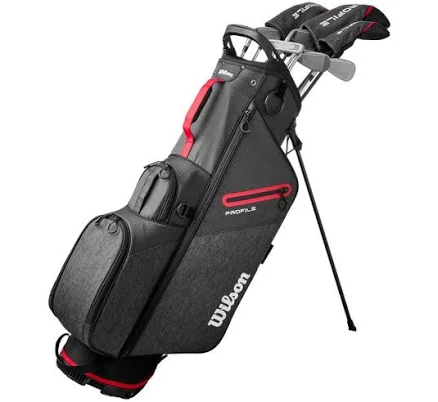
- Steel clubheads, graphite shafts, rubber grips
- We found no PFAS statement from the brand
- Graphite shaft resin degradation and fiber exposure
3 hazards checked on this product, all on its full breakdown.
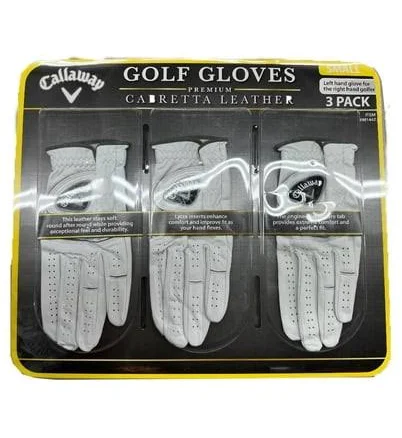
- Cabretta leather, likely tannin-tanned
- We found no PFAS statement from the brand
- Heavy metals
4 hazards checked on this product, all on its full breakdown.
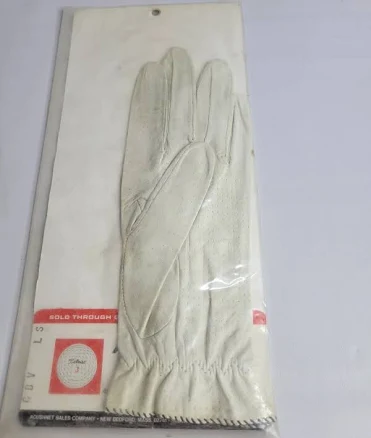
- leather or synthetic leather with cotton lining
- We found no PFAS statement from the brand
- Heavy metals
4 hazards checked on this product, all on its full breakdown.
Find an alternative on AmazonMore golf balls & equipment grades
How we score, every product runs through the same public 0-100 rubric based on materials, coatings, brand disclosure, lab findings, and recalls. See the full methodology → Spotted a mistake? Report an error.