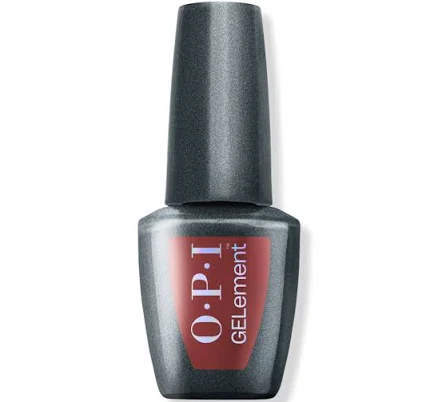
OPI GELements Gel Polish Como Se Dice Gel-ous?, Is It Non-Toxic?
Skip until OPI discloses PFAS data; gel polish formulations remain opaque.
OPI doesn't reveal proprietary resin and solvent blends or provide PFAS information. Gel polishes often use film-forming polymers, rarely tested for forever chemicals.
The better-graded swap
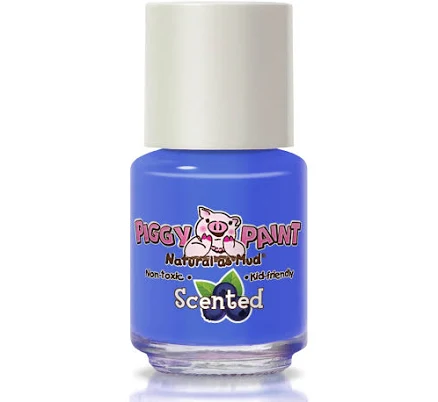
Piggy Paint
Nail Polish Piggy Paint
100/100 safety
Same rubric that flunked this product. The swap earned Excellent.
Still want this one anyway? Check the price on Amazon. We’d swap it.
Material
gel polish (oligomers, resins, solvents, pigments)
Brand disclosure
Brand is silent on PFAS
Lab data
No public lab test
You may also be interested in
Top-graded picks in the categories readers replace first, every one scored on the same rubric.

- polypropylene filter housing, carbon/sediment cartridge
- We found no PFAS statement from the brand
- Bacterial growth in spent cartridges
3 hazards checked on this product, all on its full breakdown.

Aquasure
Premier Series 75 GPD Under Sink Reverse Osmosis Water Filtration System
- RO membrane, carbon filters, stainless steel housing
- We found no PFAS statement from the brand
- Bacterial and microbial growth in housing and filters
4 hazards checked on this product, all on its full breakdown.

Avocado
Vegan Mattress
- organic cotton, natural latex, coconut coir, recycled steel coils
- The brand calls it PFAS-free, which we have not verified
- Heavy metals
2 hazards checked on this product, all on its full breakdown.
Is OPI GELements Gel Polish Se Dice Gel-ous? non-toxic? What it is made of
OPI GELements is a UV-cured gel polish containing oligomeric resins (acrylates), solvents (typically glycol ethers or esters), photoinitiators (compounds activated by UV light), and pigments or dyes for color. The gel matrix itself does not cure fully until exposed to UV lamps, meaning uncured polish residue can remain on skin and tools. Photoinitiators and residual monomers are the primary chemical exposure concern during application and wear; pigments in colored formulations may contain heavy metal compounds, though OPI does not publicly disclose pigment sourcing or testing.
What’s concerning
Category baseline
The starting point for this type of product, before anything specific to this product is counted.
No PFAS disclosure
No public statement from the brand about PFAS in this product.
Photoinitiator and uncured monomer exposure
UV-cured gel polishes contain photoinitiators (benzophenone derivatives or other ketones) and residual acrylate monomers that can cause contact dermatitis or sensitization, particularly during application and removal when skin contact is highest. OPI does not disclose which photoinitiators or monomers are used in this formula.
Solvent inhalation (glycol ethers, esters)
Gel polish solvents enable pigment suspension and workability before curing. Some glycol ether solvents have documented reproductive hazard flags in occupational settings; consumer exposure is lower but cumulative with frequent applications in poorly ventilated spaces. OPI's solvent profile is proprietary and undisclosed.
Lead
Colored gel polishes may contain inorganic pigments (cadmium reds, lead chromates, or iron oxides) for durability under UV curing. No public testing or certification confirms OPI GELements avoids these compounds. Once cured and worn on the nail, exposure is minimal; risk is highest during manufacturing and pigment inhalation during filing.
Source, ATSDR ↗Skin sensitization from fragrance or additives
Gel polishes often contain fragrances and preservatives to mask chemical odor and extend shelf life. These may include contact allergens; the product's fragrance and additive profile is not disclosed by OPI, making pre-existing sensitivity assessment difficult.
Acetone toxicity during removal
Gel polish removal requires prolonged acetone soaking (10-20 minutes), which can dry skin, irritate cuticles, and cause inhalation exposure. Acetone is a volatile organic compound; risk is higher in poorly ventilated bathrooms. OPI does not recommend alternative removal methods or lower-toxicity solvents.
What’s reassuring
Base material not linked to PFAS
The main material recorded for this product is not one associated with PFAS.
How is this PFAS grade calculated?
The brand's record and disclosure
OPI is owned by Coty and markets itself as a professional-grade brand but provides no public chemical ingredient list, safety data sheets for consumers, or third-party certifications (such as clean beauty or heavy metal testing). The brand has not publicly committed to disclosing PFAS presence or absence. OPI does not voluntarily publish information on photoinitiator selection, solvent profiles, or pigment safety, positioning disclosure as behind a professional veil rather than consumer transparency.
How it compares in its category
Most gel polishes (OPI, Shellac, Gelish, Essie Gel) share similar chemistry and disclosure opacity. Brands like Zoya and Ella + Mila publish more detailed ingredient lists and avoid certain known hazard classes (like dibutyl phthalate). Gel polishes inherently require UV curing, which raises photoinitiator exposure above traditional lacquer polishes; however, cured gel on the nail is a stable polymer and poses minimal risk once hardened, making application and removal the higher-risk phases.
If you buy it
Apply in well-ventilated spaces (fume extraction during filing and removal is important). Wear nitrile gloves during application and removal to minimize solvent contact with skin; avoid prolonged UV lamp exposure by following manufacturer curing times (typically 30-60 seconds per lamp type). Remove gel polish with acetone-soaked wraps rather than drilling or peeling, as mechanical removal can damage the nail bed. Limit application frequency to every 2-3 weeks to allow nails to recover; replace the product if it thickens, separates, or emits unusual odors, signaling degradation or microbial growth in the bottle.
What is not known about PFAS in this product?
- Basis
- Model estimate, 45% confidence, not a lab result
- Lab test
- None on record for this exact product
- Brand statement
- OPI has made none
Formulations change between production runs, so check the current label. How we grade.
What are the PFAS-free alternatives to OPI GELements Gel Polish Como Se Dice Gel-ous??
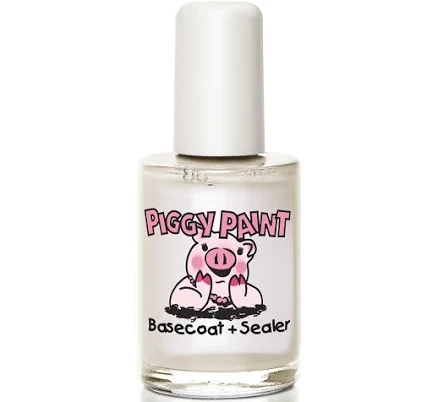
- Water-based organic pigments and plant-derived resins
- The brand calls it PFAS-free, which we have not verified
- Heavy metals
3 hazards checked on this product, all on its full breakdown.
- water-based pigmented lacquer
- The brand calls it PFAS-free, which we have not verified
- Volatile organic compounds (VOCs) from resins and solvents
3 hazards checked on this product, all on its full breakdown.
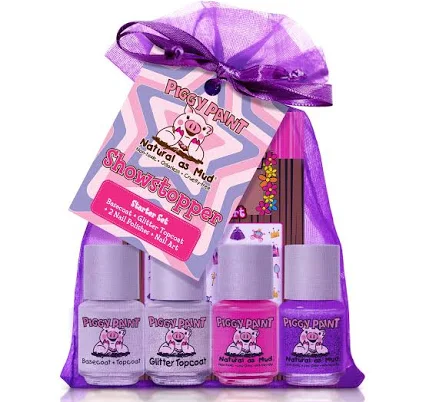
Piggy Paint
Showstopper Nail Polish Set
- organic pigments, plant-based resins, water-based lacquer
- The brand calls it PFAS-free, which we have not verified
- Volatile organic compounds (VOCs)
2 hazards checked on this product, all on its full breakdown.
More nail polish & top coat grades
How we score, every product runs through the same public 0-100 rubric based on materials, coatings, brand disclosure, lab findings, and recalls. See the full methodology → Spotted a mistake? Report an error.