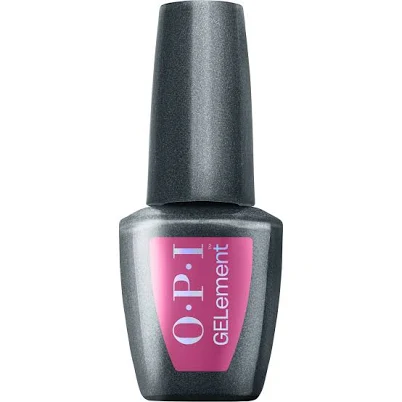
OPI GELements Pompeii Me in Nails Gel Nail Polish, Is It Non-Toxic?
Insufficient PFAS transparency; typical gel polish lacks known PFAS triggers.
This gel polish lacks public PFAS claims or third-party verification. Gel polishes aren't inherently high-PFAS products, but brand makes no commitment to PFAS-free formulation.
The better-graded swap
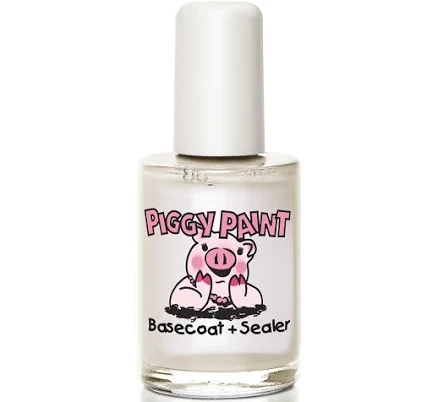
Piggy Paint
Piggy Paint Basecoat & Sealer Nail Polish
100/100 safety
Same rubric that flunked this product. The swap earned Excellent.
Still want this one anyway? Check the price on Amazon. We’d swap it.
Material
gel nail polish (acrylate-based resin system)
Brand disclosure
Brand is silent on PFAS
Lab data
No public lab test
You may also be interested in
Top-graded picks in the categories readers replace first, every one scored on the same rubric.

- polypropylene filter housing, carbon/sediment cartridge
- We found no PFAS statement from the brand
- Bacterial growth in spent cartridges
3 hazards checked on this product, all on its full breakdown.

Aquasure
Premier Series 75 GPD Under Sink Reverse Osmosis Water Filtration System
- RO membrane, carbon filters, stainless steel housing
- We found no PFAS statement from the brand
- Bacterial and microbial growth in housing and filters
4 hazards checked on this product, all on its full breakdown.

Avocado
Vegan Mattress
- organic cotton, natural latex, coconut coir, recycled steel coils
- The brand calls it PFAS-free, which we have not verified
- Heavy metals
2 hazards checked on this product, all on its full breakdown.
Is OPI GELements Pompeii Me Gel Nail Polish non-toxic? What it is made of
OPI GELements is an acrylate-based gel system requiring UV or LED curing. Gel polishes cure by photopolymerization, meaning unreacted monomers and oligomers (oligomeric methacrylates, urethane acrylates) remain in the cured film at low levels. No formaldehyde releasers or volatile organic solvents are typical of cured gel polish, unlike traditional liquid nail polish. The color 'Pompeii Me in Nails' uses standard organic pigments; no heavy metal pigments (lead, cadmium) are known in OPI formulations.
What’s concerning
Category baseline
The starting point for this type of product, before anything specific to this product is counted.
No PFAS disclosure
No public statement from the brand about PFAS in this product.
Unreacted acrylate monomers in cured film
Gel polish systems retain trace unreacted monomers (typically <1-3% by mass). Skin contact risk is low if polish remains intact and fully cured; risk increases if chewed, picked, or removed without solvent. OPI does not disclose residual monomer levels for this product.
Photoinitiator content and UV/LED exposure
Gel polishes require photoinitiators (benzophenone derivatives, camphorquinone) to initiate curing under UV/LED. These are not a hazard of the polish itself but of the curing process. Cumulative UV exposure from lamps is the documented concern, not the chemical composition of GELements.
Fragrance allergens and volatile off-gassing
Some gel polishes contain fragrance compounds for scent appeal; OPI does not disclose whether this shade contains added fragrance. If present, volatile off-gassing during curing is brief and lower than traditional polish due to the acrylate cure mechanism.
What’s reassuring
Base material not linked to PFAS
The main material recorded for this product is not one associated with PFAS.
Lead
No lead, cadmium, or other heavy metals are known or reported in OPI gel formulations or this shade. OPI uses organic dyes and synthetic pigments typical of contemporary cosmetic-grade products.
Source, ATSDR ↗Formaldehyde / VOCs
Gel polish does not require formaldehyde or formaldehyde-releasing preservatives due to the cured, anhydrous nature of the product. No formaldehyde is documented in OPI GELements.
Source, ATSDR ↗How is this PFAS grade calculated?
The brand's record and disclosure
OPI does not publish detailed ingredient disclosures or third-party safety certifications (e.g., EWG, Cradle to Cradle). The brand has no documented recalls or safety warnings for GELements or this shade on record. OPI remains silent on PFAS, which is consistent with the gel polish category but reflects a gap in proactive transparency. No known formaldehyde, toluene, or dibutyl phthalate (DBP) allegations have been reported against this product line.
How it compares in its category
Gel polishes like OPI GELements occupy a middle ground in chemical complexity, safer than some traditional nail lacquers (fewer volatile organics) but require UV/LED exposure and leave unreacted acrylate residue. Competing brands (Shellac, Gelish, Essie Gel) have similar chemistry and disclosure practices. Non-gel alternatives (traditional polish, water-based polish) avoid curing chemistry but may contain other solvents; gel avoids some but introduces photoinitiators and acrylate monomers.
If you buy it
Apply in well-ventilated areas to minimize inhalation of any volatile residue during curing. Use UV or LED lamps per OPI instructions; overexposure to UV is a separate skin concern unrelated to the polish chemistry. Cure fully before contact with skin or food. Remove with acetone or commercial gel removers after 2-3 weeks; prolonged wear risks nail bed dehydration. Store in a cool, dark place; gel polish does not degrade or leach into skin or nails when cured.
What is not known about PFAS in this product?
- Basis
- Model estimate, 45% confidence, not a lab result
- Lab test
- None on record for this exact product
- Brand statement
- OPI has made none
Formulations change between production runs, so check the current label. How we grade.
What are the PFAS-free alternatives to OPI GELements Pompeii Me in Nails Gel Nail Polish?
- Water-based organic pigments and plant-derived resins
- The brand calls it PFAS-free, which we have not verified
- Heavy metals
3 hazards checked on this product, all on its full breakdown.
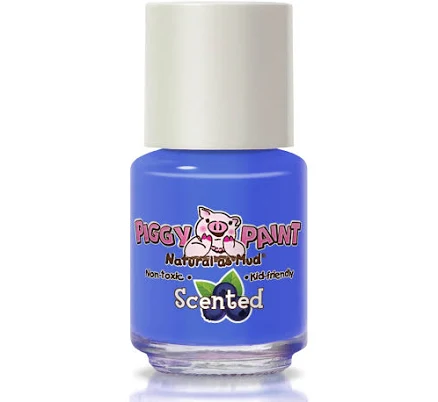
- water-based pigmented lacquer
- The brand calls it PFAS-free, which we have not verified
- Volatile organic compounds (VOCs) from resins and solvents
3 hazards checked on this product, all on its full breakdown.
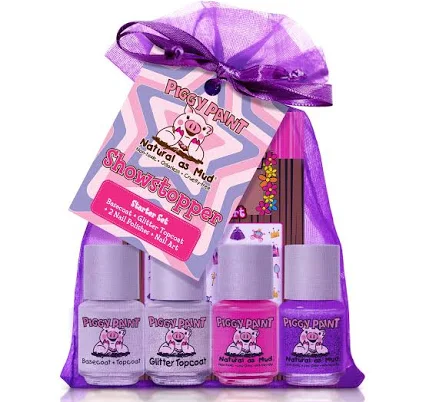
Piggy Paint
Showstopper Nail Polish Set
- organic pigments, plant-based resins, water-based lacquer
- The brand calls it PFAS-free, which we have not verified
- Volatile organic compounds (VOCs)
2 hazards checked on this product, all on its full breakdown.
More nail polish & top coat grades
How we score, every product runs through the same public 0-100 rubric based on materials, coatings, brand disclosure, lab findings, and recalls. See the full methodology → Spotted a mistake? Report an error.