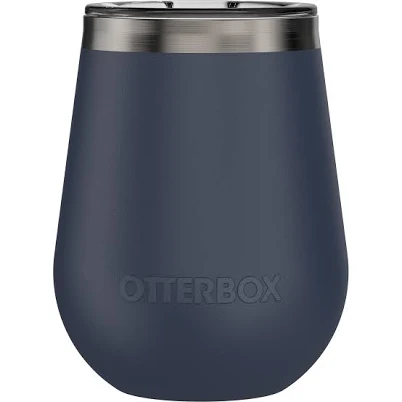
OtterBox · Insulated Travel Mugs
OtterBox Elevation Wine Tumbler
Lower concern, brand hasn't addressed PFAS publicly.
Wine tumbler built with stainless steel and vacuum insulation, standard construction without inherent PFAS risk. OtterBox hasn't tested or commented on PFAS for this item.
The better-graded swap
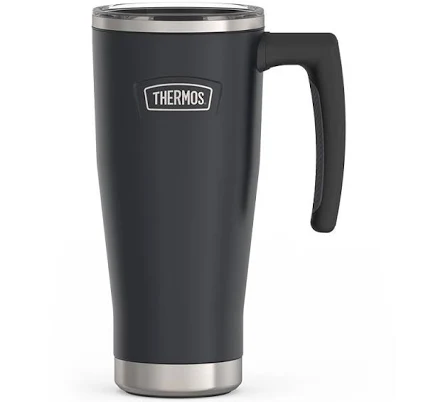
Thermos
Thermos 18 oz. Icon Vacuum Insulated Stainless Steel Mug
80/100 safety
Same rubric that flunked this product. The swap earned Excellent.
Still want this one anyway? Check the price on Amazon. We’d swap it.
Material
stainless steel with vacuum insulation
Brand disclosure
Brand is silent on PFAS
Lab data
No public lab test
You may also be interested in
Top-graded picks in the categories readers replace first, every one scored on the same rubric.

- polypropylene filter housing, carbon/sediment cartridge
- We found no PFAS statement from the brand
- Bacterial growth in spent cartridges
3 hazards checked on this product, all on its full breakdown.

Aquasure
Premier Series 75 GPD Under Sink Reverse Osmosis Water Filtration System
- RO membrane, carbon filters, stainless steel housing
- We found no PFAS statement from the brand
- Bacterial and microbial growth in housing and filters
4 hazards checked on this product, all on its full breakdown.

Avocado
Vegan Mattress
- organic cotton, natural latex, coconut coir, recycled steel coils
- The brand calls it PFAS-free, which we have not verified
- Heavy metals
2 hazards checked on this product, all on its full breakdown.
What OtterBox Elevation Wine Tumbler is made of, ingredients and materials
The OtterBox Elevation Wine Tumbler is constructed from food-grade stainless steel (typically 18/8 or similar austenitic alloy) with a vacuum-sealed double-wall design for insulation. Stainless steel does not leach metals under normal beverage use because the chromium oxide passive layer prevents iron and nickel migration into liquids at room and warm temperatures. The product contains no ceramic glaze, enamel coating, or Teflon-type coating (Teflon) nonstick surface, eliminating the primary hazard vectors for cookware in this category.
What’s concerning
No PFAS disclosure
No public statement from the brand about PFAS in this product.
Category baseline
The starting point for this type of product, before anything specific to this product is counted.
Gasket and seal leachables
OtterBox does not publicly disclose the material composition of the lid gasket or seal. Most vacuum tumblers use silicone or rubber; if the seal contains phthalates or other plasticizers, prolonged contact with hot liquids could theoretically increase migration, though consumer reports of taste or odor contamination from OtterBox drinkware are absent.
What’s reassuring
Base material not linked to PFAS
The main material recorded for this product is not one associated with PFAS.
Stainless steel leaching (nickel, iron, chromium)
Food-grade stainless steel does not leach metals into beverages at room or warm temperatures due to the passive oxide layer. No reports of leaching from OtterBox tumblers or similar vacuum-insulated stainless steel drinkware exist in public safety literature.
Coating degradation and flaking
This product has no applied enamel, ceramic, or polymer coating. The exterior powder coat or paint (if present) is not food-contact and poses no ingestion hazard. No degradation concerns are documented.
Heavy metals
Lid hardware (typically stainless or aluminum screws and hinges) is not food-contact and poses minimal risk. No recalls or contamination reports for OtterBox drinkware exist.
Source, FDA ↗How is this PFAS grade calculated?
The brand's record and disclosure
OtterBox is primarily known for rugged phone cases and outdoor gear; the brand has not published detailed material safety disclosures or third-party certifications (NSF, FDA) for this tumbler line. No public recalls, contamination reports, or manufacturing controversies involving OtterBox drinkware are on record. The company's silence on PFAS is consistent with many consumer-goods manufacturers that have not yet adopted industry-wide transparency standards, but does not indicate use or non-use of PFAS.
How it compares in its category
Vacuum-insulated stainless steel tumblers are among the lowest-risk cookware and drinkware options because the base material is inert and uncoated. This product sits at parity with mainstream competitors like YETI, Hydro Flask, and Contigo in material safety terms. The primary differentiation is durability and drop-resistance (OtterBox's brand strength), not chemical safety, which favors this choice for active use.
If you buy it
Hand-wash or use standard dishwasher cycles; stainless steel tolerates both methods. Avoid prolonged exposure to acidic beverages (wine, citrus juice) beyond 24 hours if concerns about microabrasion exist, though this is cosmetic rather than a leaching risk. Inspect the seal annually for degradation; a failing vacuum chamber will not affect liquid safety but will compromise insulation. Replace the tumbler only if the stainless steel develops visible rust or pitting, which is rare with quality 18/8 steel.
What is not known about PFAS in this product?
- Basis
- Model estimate, 72% confidence, not a lab result
- Lab test
- None on record for this exact product
- Brand statement
- OtterBox has made none
Formulations change between production runs, so check the current label. How we grade.
What are the PFAS-free alternatives to OtterBox Elevation Wine Tumbler?
- stainless steel exterior, ceramic lining interior
- Ceramic coating degradation over time
3 hazards checked on this product, all on its full breakdown.
- Stainless steel body, plastic lid
- We found no PFAS statement from the brand
- Plastic lid polymer identity and leaching potential
3 hazards checked on this product, all on its full breakdown.
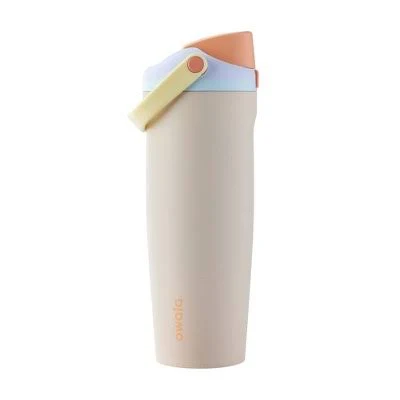
- Stainless steel body, no interior coating disclosed
- Silicone and plastic lid/valve leachables
3 hazards checked on this product, all on its full breakdown.
More insulated travel mugs grades
How we score, every product runs through the same public 0-100 rubric based on materials, coatings, brand disclosure, lab findings, and recalls. See the full methodology → Spotted a mistake? Report an error.