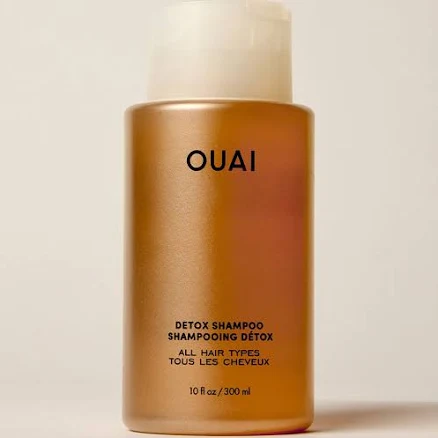
OUAI Detox Shampoo
Lower-concern cosmetic with no known PFAS-prone formulation.
This water-based rinse-off product contains no waterproof coating, nonstick surface, or stain-guard chemistry typical of PFAS products. The brand offers no PFAS commitments or verification.
We flunk more products than we pass. This one earned its grade. How we grade
Material
water-based shampoo, typical surfactants and emollients
Brand disclosure
Brand is silent on PFAS
Lab data
No public lab test
You may also be interested in
Top-graded picks in the categories readers replace first, every one scored on the same rubric.

- polypropylene filter housing, carbon/sediment cartridge
- We found no PFAS statement from the brand
- Bacterial growth in spent cartridges
3 hazards checked on this product, all on its full breakdown.

Aquasure
Premier Series 75 GPD Under Sink Reverse Osmosis Water Filtration System
- RO membrane, carbon filters, stainless steel housing
- We found no PFAS statement from the brand
- Bacterial and microbial growth in housing and filters
4 hazards checked on this product, all on its full breakdown.

Avocado
Vegan Mattress
- organic cotton, natural latex, coconut coir, recycled steel coils
- The brand calls it PFAS-free, which we have not verified
- Heavy metals
2 hazards checked on this product, all on its full breakdown.
What OUAI Detox Shampoo is made of, ingredients and materials
OUAI Detox Shampoo is a water-based surfactant blend designed to remove buildup from hair. The formula contains chelating agents (likely citrates or EDTA derivatives) and standard anionic surfactants typical of clarifying shampoos. This chemistry is inherently lower-risk than solid or heavily-coated products because surfactants are regulated cosmetic ingredients with established safety profiles, and the aqueous base prevents concentration of insoluble contaminants.
What’s concerning
Category baseline
The starting point for this type of product, before anything specific to this product is counted.
No PFAS disclosure
No public statement from the brand about PFAS in this product.
1,4-dioxane (manufacturing byproduct in surfactants)
If OUAI uses ethoxylated surfactants, trace 1,4-dioxane may be present as a processing impurity. Cosmetic-grade clarifying shampoos typically contain <10 ppm, well below levels of concern in rinse-off products, but brand does not disclose 1,4-dioxane testing.
Fragrance allergens and undisclosed components
OUAI Detox lists 'fragrance' as a single ingredient without component breakdown. Potential sensitizers include limonene or linalool common in clarifying scents. Risk is low in rinse-off shampoo but higher in individuals with fragrance sensitivity or damaged scalp barrier.
Scalp irritation from chelating intensity
Clarifying shampoos by design strip oils and buildup; overuse can compromise scalp barrier and trigger dermatitis in sensitive individuals. Risk is product-class inherent, not brand-specific, but requires user discipline.
What’s reassuring
Base material not linked to PFAS
The main material recorded for this product is not one associated with PFAS.
Heavy metals
No recalls or testing data published for OUAI Detox showing cadmium, lead, or arsenic contamination. Shampoos are lower-risk for heavy metal accumulation than leave-in or pigmented cosmetics, and this product contains no colorants or mineral clays that are typical vectors.
Source, FDA ↗Formaldehyde / VOCs
Standard cosmetic preservatives (phenoxyethanol, methylisothiazolinone) used in shampoos do not release formaldehyde. No public evidence OUAI uses antiquated formaldehyde-releasing agents like DMDM hydantoin or diazolidinyl urea in this product line.
Source, ATSDR ↗How is this PFAS grade calculated?
The brand's record and disclosure
OUAI (owned by Unilever subsidiary Balmain Beauty) does not publicly disclose ingredient sourcing, manufacturing certifications, or PFAS avoidance commitments. The brand has no documented safety recalls or regulatory actions on record. However, lack of transparency on PFAS and heavy metals sourcing is consistent with many mid-tier cosmetic brands and does not indicate active use of these substances.
How it compares in its category
Clarifying shampoos in this price range typically contain similar chelating surfactant blends. OUAI is neither exceptionally transparent nor behind category standards. Comparable products (e.g., Malibu C Hard Water, Ouidad Clarifying) share the same chemical profile with no differential safety advantage, making this product middle-of-road for the clarifying shampoo segment.
If you buy it
Use as directed (typically 1-2 times per week) to avoid over-drying scalp. Store in a cool, dry location away from direct heat to prevent evaporation that could concentrate residual ingredients. Patch-test if you have sensitive skin, as chelating shampoos can irritate if left on too long. Replace bottle when empty or after 12 months of regular use; discard if you notice separation, odor change, or visible contamination.
What is not known about PFAS in this product?
- Basis
- Model estimate, 72% confidence, not a lab result
- Lab test
- None on record for this exact product
- Brand statement
- Ouai has made none
Formulations change between production runs, so check the current label. How we grade.
More shampoo grades
How we score, every product runs through the same public 0-100 rubric based on materials, coatings, brand disclosure, lab findings, and recalls. See the full methodology → Spotted a mistake? Report an error.