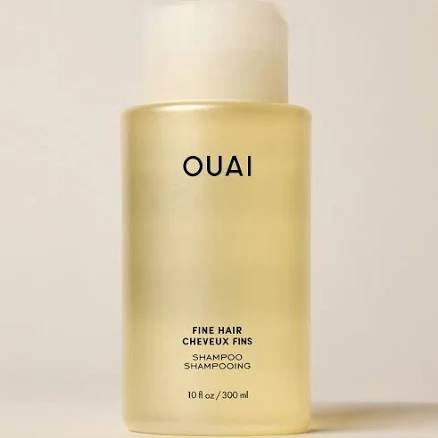
OUAI Fine Hair Shampoo
Lower concern for typical use, though ingredient opacity warrants caution.
This liquid shampoo requires no water-repellency, grease-resistance, or nonstick coatings. The brand makes no PFAS claims and no public testing exists.
We flunk more products than we pass. This one earned its grade. How we grade
Material
aqueous shampoo base with silicones and conditioning agents
Brand disclosure
Brand is silent on PFAS
Lab data
No public lab test
You may also be interested in
Top-graded picks in the categories readers replace first, every one scored on the same rubric.

- polypropylene filter housing, carbon/sediment cartridge
- We found no PFAS statement from the brand
- Bacterial growth in spent cartridges
3 hazards checked on this product, all on its full breakdown.

Aquasure
Premier Series 75 GPD Under Sink Reverse Osmosis Water Filtration System
- RO membrane, carbon filters, stainless steel housing
- We found no PFAS statement from the brand
- Bacterial and microbial growth in housing and filters
4 hazards checked on this product, all on its full breakdown.

Avocado
Vegan Mattress
- organic cotton, natural latex, coconut coir, recycled steel coils
- The brand calls it PFAS-free, which we have not verified
- Heavy metals
2 hazards checked on this product, all on its full breakdown.
What OUAI Fine Hair Shampoo is made of, ingredients and materials
OUAI Fine Hair Shampoo is a water-based formula containing silicones (likely dimethicone or cyclopentasiloxane) and conditioning polymers designed to add weight and slip to fine hair without buildup. Silicones are volatile compounds that rinse away in water and are not systemically absorbed through intact skin, making them relatively low-risk in rinse-off products. The aqueous base is standard across most commercial shampoos and carries minimal hazard if used as directed.
What’s concerning
Category baseline
The starting point for this type of product, before anything specific to this product is counted.
No PFAS disclosure
No public statement from the brand about PFAS in this product.
Fragrance allergens and sensitizers
Product contains fragrance blend listed as 'Fragrance (Parfum)' but specific components are not disclosed. Common fragrance allergens (limonene, linalool, geraniol) may be present and can trigger contact dermatitis or respiratory sensitivity in susceptible individuals, especially with prolonged scalp contact.
1,4-dioxane contamination
Ingredients such as PEG-based emulsifiers (PEG-5 Propylene Glycol Cocoate, PEG compounds) are common in this formula and can be contaminated with trace 1,4-dioxane as a manufacturing byproduct. Dioxane is a known animal carcinogen and possible human carcinogen; residual amounts in rinse-off products present low dermal risk but not zero.
Silicone accumulation on scalp
Long-term daily use of silicone-heavy shampoos can lead to visible buildup, dulling of hair, or scalp irritation in some users, though this is a cosmetic rather than health hazard. Periodic clarifying washes or rotation with silicone-free formulas mitigates this effect.
What’s reassuring
Base material not linked to PFAS
The main material recorded for this product is not one associated with PFAS.
Formaldehyde / VOCs
No formaldehyde or formaldehyde-releasing preservatives (DMDM hydantoin, imidazolidinyl urea) are listed on the available ingredient declaration. Standard preservatives appear to be phenoxyethanol-based, which do not release formaldehyde.
Source, ATSDR ↗Heavy metals
Product appears to be a clear or translucent formulation with no added colorants or pearlescent agents listed. No mica or iron oxide pigments declared, significantly reducing heavy metal contamination risk from cosmetic additives.
Source, FDA ↗How is this PFAS grade calculated?
The brand's record and disclosure
Ouai does not publish detailed ingredient transparency reports or PFAS testing results, and maintains a largely standard commercial ingredient list without third-party certifications (organic, clean beauty, dermatologist-tested). The brand has no major documented safety recalls or regulatory violations on record for this product line. Silent PFAS stance reflects the industry norm for beauty products but limits consumer confidence in absence of contamination.
How it compares in its category
This shampoo sits in the mid-tier performance category, silicone-forward formulation typical of volumizing and lightweight shampoos, similar to brands like Bumble and bumble or Briogeo. Compared to sulfate-free or plant-based alternatives, silicone-based formulas are more standardized and carry fewer uncontrolled botanical allergen risks, though they offer less marketing transparency. Fine-hair shampoos across the market rarely disclose PFAS testing.
If you buy it
Use as a rinse-off product only; do not ingest. Store in a cool, dry place away from extreme heat to prevent container degradation. A standard 8-10 oz bottle typically lasts 4-6 weeks with daily use. Discontinue if scalp irritation develops and patch-test on inner arm first if you have sensitive skin or known fragrance allergies.
What is not known about PFAS in this product?
- Basis
- Model estimate, 72% confidence, not a lab result
- Lab test
- None on record for this exact product
- Brand statement
- Ouai has made none
Formulations change between production runs, so check the current label. How we grade.
More shampoo grades
How we score, every product runs through the same public 0-100 rubric based on materials, coatings, brand disclosure, lab findings, and recalls. See the full methodology → Spotted a mistake? Report an error.