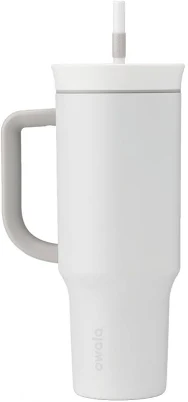
Owala 40oz Stainless Steel Straw Tumbler
Lower PFAS concern; bare stainless steel, no known Teflon-family coating coatings.
Owala 40oz tumbler uses stainless steel construction without reported PFAS-based nonstick coatings. Bare metal and plastic materials pose lower concern.
We flunk more products than we pass. This one earned its grade. How we grade
Material
Stainless steel interior, BPA-free plastic exterior
Lab data
No public lab test
What Owala 40oz Stainless Steel Straw Tumbler is made of, ingredients and materials
The Owala 40oz uses a stainless steel interior (typically 18/8 or 18/10 grade), which is chemically inert and does not leach metals or degrade into food or liquids under normal use. The exterior is plastic (material composition not explicitly detailed by Owala, but marketed as BPA-free), which contains no lead, cadmium, or ceramic glazes that would introduce heavy metals. The lid and straw components are also plastic-based; stainless steel does not corrode or flake when in contact with acidic beverages, showing lower concern than ceramic-coated or non-stick cookware alternatives.
What’s concerning
Category baseline
The starting point for this type of product, before anything specific to this product is counted.
No PFAS disclosure
No public statement from the brand about PFAS in this product.
Plastic exterior off-gassing or additives
The plastic exterior material composition is not disclosed by Owala. While marketed BPA-free, other synthetic polymers or plasticizers (phthalates, BPS) may be present; risk is low if plastic is not heated or worn.
Lid and straw degradation over time
Plastic lids and silicone or plastic straws can crack, cloud, or leach microparticles if heavily used, microwaved, or exposed to hot liquids repeatedly. This is a durability concern rather than acute toxicity but warrants periodic replacement.
Mold or bacterial growth in double-wall cavity
If water enters the sealed air gap or if the tumbler is not fully dried, mold or bacteria may colonize the cavity; this is a sanitation issue, not a material toxicity issue, but can affect safety if contaminants reach drinking liquid.
What’s reassuring
Bare uncoated material
Recorded as a bare, uncoated material with no surface coating or treatment.
Stainless steel interior corrosion (minor)
Quality 18/8 or 18/10 stainless steel is resistant to corrosion from beverages; no known incidents of pitting or leaching from this product line. Risk is negligible under normal use.
Lead
No reports of heavy metal contamination in Owala tumblers. If brand uses screen-printed logos or labels, risk is minimal if printing is sealed and not in contact with liquids.
Source, ATSDR ↗The full breakdown
The brand's record and disclosure
Owala does not publicly disclose third-party testing results, material certifications (such as NSF or FDA), or detailed ingredient sourcing for plastic components. The company markets products as BPA-free but is silent on PFAS, phthalates, and other synthetic additives in the plastic shell. No major recalls or established safety controversies are on record for this specific product line. Limited transparency is typical for this price segment, but absence of disclosure is not equivalent to absence of hazard.
How it compares in its category
Stainless steel tumblers show lower concern than ceramic, enamel, or non-stick cookware in terms of leaching risk, since steel does not degrade under normal beverage temperature and does not rely on coatings. Double-wall insulated designs (common in this product) add an air gap that may reduce condensation risk but do not introduce new chemical hazards. Competing brands (Hydro Flask, Yeti, S'well) use similar stainless steel interiors with plastic or rubberized exteriors; Owala sits in the mainstream, with no material advantage or disadvantage versus established competitors.
If you buy it
Avoid microwaving the plastic exterior or lid; hand wash may minimize wear on seals compared to dishwasher cleaning. Do not expose to temperatures above 140F (60C) for extended periods, as plastic components may weaken or off-gas slightly, though this is not a typical use case for a beverage tumbler. Inspect the straw and lid regularly for cracks or cloudiness; replace if visible degradation occurs. Rinse thoroughly and air-dry after use, especially if storing sugary or acidic drinks, to prevent mold or residue buildup inside the steel cavity.
What we don’t know
- Basis
- Model estimate, 78% confidence, not a lab result
- Lab test
- None on record for this exact product
- Brand statement
- Owala has made a specific claim
Formulations change between production runs, so check the current label. How we grade.
More insulated travel mugs grades
How we score, every product runs through the same public 0-100 rubric based on materials, coatings, brand disclosure, lab findings, and recalls. See the full methodology → Spotted a mistake? Report an error.