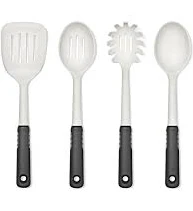
OXO · Non-Stick Kitchen Gadgets
OXO Good Grips 4-Piece Nylon Utensils Set
Lower concern. Nylon utensils lack known PFAS triggers.
These nylon utensils come without coatings, so standard PFAS triggers don't apply. The brand makes no PFAS claim, but bare nylon handles carry lower inherent risk than nonstick cookware.
The better-graded swap
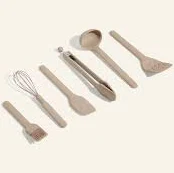
Our Place
Our Place Essential Utensil Set
90/100 safety
Same rubric that flunked this product. The swap earned Excellent.
Still want this one anyway? Check the price on Amazon. We’d swap it.
Material
Nylon utensil handles
Lab data
No public lab test
Is OXO Good Grips 4-Piece Nylon Utensils Set non-toxic? What it is made of
OXO Good Grips utensils use nylon for the heads (spatulas, spoons, turners) paired with ergonomic handles. Nylon is a synthetic polymer that does not release lead, cadmium, or enameled-coating hazards common in ceramic or metal cookware. Nylon is heat-stable up to roughly 400-500°F, suitable for typical stovetop use; direct flame or very high heat (above 500°F) can degrade the material and cause off-gassing. The handles on this line are typically polypropylene or rubberized plastic, chosen for grip comfort rather than direct food contact.
What’s concerning
Category baseline
The starting point for this type of product, before anything specific to this product is counted.
No PFAS disclosure
No public statement from the brand about PFAS in this product.
Nylon thermal degradation and volatile release
Nylon remains stable under normal cooking heat (up to 400°F) but can degrade at very high temperatures or direct flame, potentially releasing trace volatile compounds. This is a rare risk if utensils are used as intended and not left in extreme heat.
Microplastic shedding during use
Continuous use and abrasion can cause minor nylon fibers to shed, especially if utensils become scratched or worn. The volume is small and unquantified, but consumers concerned about microplastics in food may prefer wood or metal alternatives.
Material degradation and off-gassing over time
Like all plastics, nylon can age and become brittle with repeated thermal cycling and UV exposure. Discoloration or odor signals breakdown and warrants replacement to avoid potential off-gassing into food.
What’s reassuring
Base material not linked to PFAS
The main material recorded for this product is not one associated with PFAS.
Plasticizer leaching from handle materials
OXO handles are typically polypropylene or rubberized plastic; no documented leaching of BPA, phthalates, or other plasticizers from this product line into food at normal temperatures. Handles do not contact food directly in normal use.
Lead
Nylon utensils do not require ceramic glazes or enamel coatings that historically carried lead/cadmium risk. No contamination has been reported for OXO nylon utensil lines in public safety databases or recalls.
Source, ATSDR ↗The full breakdown
The brand's record and disclosure
OXO is a privately held kitchen-goods company with a solid reputation for product safety and recalls. The brand does not make explicit public statements about PFAS avoidance in nylon utensils, but nylon itself is not a known PFAS delivery mechanism (unlike some non-stick coatings). No significant safety violations, heavy metal contamination, or formaldehyde issues have been publicly documented for OXO's nylon utensil lines. The company responds to safety reports and has issued recalls when warranted, indicating a responsive safety posture.
How it compares in its category
Nylon utensils have lower concern than some cookware materials because they avoid the hazards of metal (aluminum leaching), ceramic glazes (lead/cadmium risk), and silicone (potential thermal degradation). Wood and bamboo utensils carry lower chemical risk but require more maintenance and can harbor bacteria if poorly cleaned. OXO's nylon sets are priced midrange and widely available, making them a reliable substitute for older metal or ceramic options without premium cost.
If you buy it
Keep nylon utensils away from open flame and extreme direct heat above 500°F to prevent warping and off-gassing. Wash by hand in warm soapy water rather than the dishwasher, which can degrade the material over time and leach plasticizers. Replace utensils if the nylon becomes discolored, cracked, melted, or develops a chemical odor, which signals thermal or material breakdown. Store in a cool, dry place away from direct sunlight to slow polymer aging.
What we don’t know
- Basis
- Model estimate, 78% confidence, not a lab result
- Lab test
- None on record for this exact product
- Brand statement
- OXO has made a specific claim
Formulations change between production runs, so check the current label. How we grade.
Better-graded alternatives in Non-Stick Kitchen Gadgets
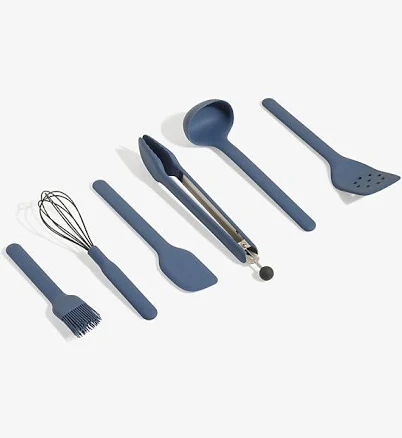
Our Place
Utensil Essentials 6-Piece Silicone Utensil Set
- Silicone utensils, no coating
- The brand calls it PFAS-free, which we have not verified
- Microplastic generation
2 hazards checked on this product. See all of them.
Our Place
Essential Utensil Set
- Stainless steel utensils
- The brand calls it PFAS-free, which we have not verified
- Nickel leaching from stainless steel
2 hazards checked on this product. See all of them.
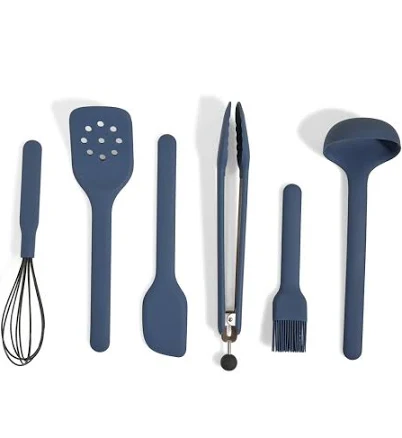
Our Place
Utensil Essentials Set
- Stainless steel utensils, material unclear
- The brand calls it PFAS-free, which we have not verified
- Handle material degradation (if present)
2 hazards checked on this product. See all of them.
More non-stick kitchen gadgets grades
How we score, every product runs through the same public 0-100 rubric based on materials, coatings, brand disclosure, lab findings, and recalls. See the full methodology → Spotted a mistake? Report an error.