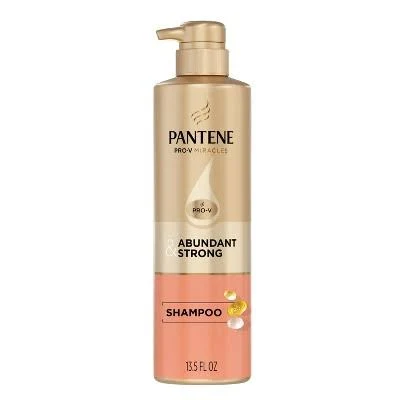
Pantene Abundant & Strong Shampoo
Lower concern; liquid shampoo has no inherent PFAS drivers, but Pantene makes no disclosure.
This water-based liquid lacks nonstick, water-repellent, or stain-resistant coatings. Pantene hasn't disclosed PFAS testing or claimed PFAS-free status.
We flunk more products than we pass. This one earned its grade. How we grade
Material
Aqueous surfactants, conditioning agents, water-based formulation
Brand disclosure
Brand is silent on PFAS
Lab data
No public lab test
You may also be interested in
Top-graded picks in the categories readers replace first, every one scored on the same rubric.

- polypropylene filter housing, carbon/sediment cartridge
- We found no PFAS statement from the brand
- Bacterial growth in spent cartridges
3 hazards checked on this product, all on its full breakdown.

Aquasure
Premier Series 75 GPD Under Sink Reverse Osmosis Water Filtration System
- RO membrane, carbon filters, stainless steel housing
- We found no PFAS statement from the brand
- Bacterial and microbial growth in housing and filters
4 hazards checked on this product, all on its full breakdown.

Avocado
Vegan Mattress
- organic cotton, natural latex, coconut coir, recycled steel coils
- The brand calls it PFAS-free, which we have not verified
- Heavy metals
2 hazards checked on this product, all on its full breakdown.
What Pantene Abundant & Strong Shampoo is made of, ingredients and materials
Pantene Abundant & Strong is a water-based shampoo relying on anionic surfactants (likely sodium lauryl sulfate or sodium laureth sulfate derivatives) for cleansing, plus conditioning polymers and silicones to coat and protect hair. The aqueous matrix means no volatile organic compound (VOC) off-gassing risk during use, and the surfactant-polymer blend is among the most widely safety-tested cosmetic ingredient classes globally. No inherent thermal degradation pathway exists for this product type under normal shower temperatures.
What’s concerning
Category baseline
The starting point for this type of product, before anything specific to this product is counted.
No PFAS disclosure
No public statement from the brand about PFAS in this product.
Surfactant irritation (skin/eye sensitivity)
Anionic surfactants in shampoos are mild dermal irritants at rinse-off use levels but can cause mild eye stinging or scalp irritation in individuals with atopic dermatitis or sensitive skin. No product-specific irritancy data published; risk is inherent to the surfactant class, not unique to Pantene.
1,4-dioxane (surfactant contaminant)
Ethoxylated surfactants like sodium laureth sulfate can carry 1,4-dioxane as a manufacturing byproduct. Pantene does not publicly disclose dioxane testing or supplier specs. Residual dioxane in rinse-off products poses minimal dermal absorption risk but reflects absence of verified contaminant limits.
What’s reassuring
Base material not linked to PFAS
The main material recorded for this product is not one associated with PFAS.
Heavy metals
No published data on cadmium, lead, or arsenic content in Pantene shampoo formulations. Liquid water-based haircare typically carries lower heavy-metal risk than colored cosmetics (powders, pigments), and no regulatory alerts exist for this product.
Source, FDA ↗Microplastic beads or polymeric microparticles
Pantene Abundant & Strong is formulated without physical scrub beads or intentional microplastics. Polymer conditioning agents (likely acrylates or silicones) are not classified as microplastics and degrade or rinse away with no known environmental persistence risk in household use.
How is this PFAS grade calculated?
The brand's record and disclosure
Pantene (Procter & Gamble subsidiary) does not publicly disclose full ingredient sourcing or independent third-party safety certifications for this product line. P&G complies with FDA cosmetic regulations and EU Cosmetics Regulation but does not voluntarily publish heavy-metal testing, allergen screening, or supplier audits at product level. No major recalls or safety incidents have been documented for Pantene shampoos in the US or EU regulatory databases. The brand's silence on PFAS and detailed ingredient provenance is typical for mainstream mass-market haircare but reflects lower transparency than premium or clean-beauty competitors.
How it compares in its category
Pantene Abundant & Strong occupies the mass-market mainstream segment alongside Dove, Head & Shoulders, and Garnier. It lacks third-party certifications (EWG Verified, Leaping Bunny, SLS-free claims) that differentiate premium or natural brands. For a conventional surfactant shampoo, its formulation is unremarkable in terms of safety profile, no known problematic ingredients, but also no transparency advantage over direct competitors. Cost and availability make it representative of the category baseline rather than a leader in disclosure or ingredient innovation.
If you buy it
Use as directed (wet hair, apply, rinse thoroughly with water). No special storage precautions needed; keep at room temperature away from direct heat or light to preserve emulsion stability. Discontinue use if scalp irritation, rash, or eye sting develops; these signs, though rare, indicate possible surfactant sensitivity. Replace when bottle is empty or product separates or odor changes; unopened bottles can be stored for 2-3 years. No risk from incidental ingestion of small amounts (residue on hands), but keep out of reach of children.
What is not known about PFAS in this product?
- Basis
- Model estimate, 78% confidence, not a lab result
- Lab test
- None on record for this exact product
- Brand statement
- Pantene has made none
Formulations change between production runs, so check the current label. How we grade.
More shampoo grades
How we score, every product runs through the same public 0-100 rubric based on materials, coatings, brand disclosure, lab findings, and recalls. See the full methodology → Spotted a mistake? Report an error.