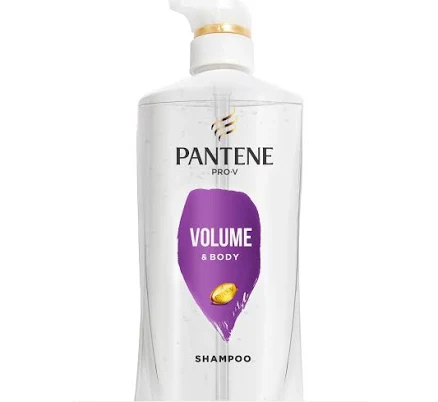
Pantene Pro-V Volume and Body Shampoo
Lower concern; no known PFAS use in standard shampoo formulations, but Pantene makes no disclosure.
This liquid has no documented PFAS-prone ingredients like water-repellent coatings or nonstick properties. Standard surfactants and conditioning agents don't inherently require PFAS.
We flunk more products than we pass. This one earned its grade. How we grade
Material
aqueous shampoo formulation (surfactants, conditioning agents, water)
Brand disclosure
Brand is silent on PFAS
Lab data
No public lab test
You may also be interested in
Top-graded picks in the categories readers replace first, every one scored on the same rubric.

- polypropylene filter housing, carbon/sediment cartridge
- We found no PFAS statement from the brand
- Bacterial growth in spent cartridges
3 hazards checked on this product, all on its full breakdown.

Aquasure
Premier Series 75 GPD Under Sink Reverse Osmosis Water Filtration System
- RO membrane, carbon filters, stainless steel housing
- We found no PFAS statement from the brand
- Bacterial and microbial growth in housing and filters
4 hazards checked on this product, all on its full breakdown.

Avocado
Vegan Mattress
- organic cotton, natural latex, coconut coir, recycled steel coils
- The brand calls it PFAS-free, which we have not verified
- Heavy metals
2 hazards checked on this product, all on its full breakdown.
What Pantene Pro-V Volume and Body Shampoo is made of, ingredients and materials
Pantene Pro-V Volume and Body Shampoo is an aqueous formulation based on anionic and amphoteric surfactants (typically sodium lauryl sulfate or sodium laureth sulfate derivatives) combined with conditioning polymers, humectants, and preservatives. The "Pro-Vitamin" formula includes panthenol and botanical extracts marketed for shine and body. As a rinse-off product used briefly on skin and hair, dermal absorption and systemic exposure are minimal compared to leave-on cosmetics.
What’s concerning
Category baseline
The starting point for this type of product, before anything specific to this product is counted.
No PFAS disclosure
No public statement from the brand about PFAS in this product.
1,4-dioxane (cosmetic contaminant)
Anionic surfactants (e.g., sodium laureth sulfate) used in mainstream shampoos can contain trace 1,4-dioxane as an ethoxylation byproduct. Pantene does not publicly disclose dioxane testing or removal processes. At shampoo concentration (rinse-off, brief exposure), risk is low, but the possibility exists.
Fragrance allergens and undisclosed components
Pantene Pro-V formulations include fragrance blends listed only as 'Fragrance' on the label, concealing individual sensitizing compounds (e.g., limonene, linalool, eugenol). Individuals with fragrance sensitivity or dermatitis may react; patch testing is advisable before regular use.
Scalp irritation from sulfate surfactants
Some users report scalp dryness, itching, or irritation attributed to sulfate-based surfactants in mainstream shampoos. Pantene Pro-V includes conditioning agents to mitigate this, but sensitive individuals may still experience mild irritation with frequent use.
What’s reassuring
Base material not linked to PFAS
The main material recorded for this product is not one associated with PFAS.
Formaldehyde / VOCs
No credible reports link Pantene Pro-V Volume and Body Shampoo to formaldehyde releasers (e.g., DMDM hydantoin). Modern Pantene formulations typically use preservative systems with lower concern profiles, though full ingredient disclosure is absent.
Source, ATSDR ↗Heavy metals
This shampoo contains minimal colorants (mainly water-soluble dyes). No documented cases of cadmium, lead, or arsenic contamination in Pantene shampoos. As a rinse-off product, dermal absorption risk is negligible even if trace metals were present.
Source, FDA ↗How is this PFAS grade calculated?
The brand's record and disclosure
Pantene (P&G subsidiary) does not publicly disclose detailed ingredient sourcing, heavy metal limits, or formaldehyde-releaser testing. The brand has no known major recalls for this product line and complies with FDA cosmetic labeling. P&G maintains voluntary safety standards but does not seek third-party certifications (e.g., EWG Verified, Leaping Bunny) for mainstream Pantene products. No credible controversies specific to this shampoo exist in public records.
How it compares in its category
This product sits in the mainstream mass-market shampoo segment, occupying a middle position on ingredient transparency and safety rigor. Compared to boutique or certified natural brands, it offers less ingredient disclosure and stricter preservative/stabilizer use. Compared to budget drugstore alternatives, Pantene Pro-V products are formulated with more conditioning agents and fewer harsh surfactants, making it less likely to cause irritation or dryness in routine use.
If you buy it
Use as directed, apply to wet hair, lather, rinse thoroughly with water. Avoid prolonged contact with eyes; rinse immediately if contact occurs. Store in a cool, dry place away from direct sunlight to prevent ingredient degradation. Shampoo formulations are stable for 24-36 months unopened; once opened, use within 12 months. No special precautions needed for normal scalp or hair application.
What is not known about PFAS in this product?
- Basis
- Model estimate, 78% confidence, not a lab result
- Lab test
- None on record for this exact product
- Brand statement
- Pantene has made none
Formulations change between production runs, so check the current label. How we grade.
More shampoo grades
How we score, every product runs through the same public 0-100 rubric based on materials, coatings, brand disclosure, lab findings, and recalls. See the full methodology → Spotted a mistake? Report an error.