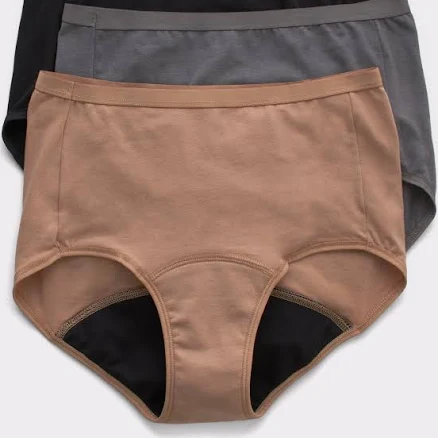
Hanes Women's Comfort Period. Brief Underwear
Skip until brand discloses coating chemistry and PFAS status.
Period underwear typically uses waterproof or stain-resistant coatings of undisclosed composition. Proof provides no public PFAS information, making assessment difficult without lab testing.
The better-graded swap
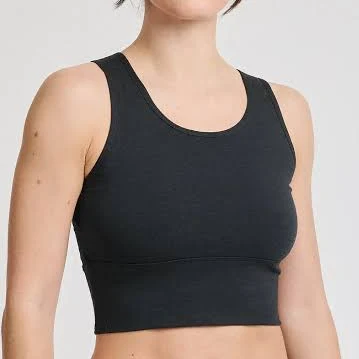
Aisle
Aisle Leakproof Thong Period Underwear
90/100 safety
Same rubric that flunked this product. The swap earned Excellent.
Still want this one anyway? Check the price on Amazon. We’d swap it.
Material
cotton blend with unspecified moisture/stain resistant coating
Brand disclosure
Brand is silent on PFAS
Lab data
No public lab test
You may also be interested in
Top-graded picks in the categories readers replace first, every one scored on the same rubric.

- polypropylene filter housing, carbon/sediment cartridge
- We found no PFAS statement from the brand
- Bacterial growth in spent cartridges
3 hazards checked on this product, all on its full breakdown.

Aquasure
Premier Series 75 GPD Under Sink Reverse Osmosis Water Filtration System
- RO membrane, carbon filters, stainless steel housing
- We found no PFAS statement from the brand
- Bacterial and microbial growth in housing and filters
4 hazards checked on this product, all on its full breakdown.

Avocado
Vegan Mattress
- organic cotton, natural latex, coconut coir, recycled steel coils
- The brand calls it PFAS-free, which we have not verified
- Heavy metals
2 hazards checked on this product, all on its full breakdown.
What Hanes Women's Comfort Brief Underwear is made of, ingredients and materials
Proof's Hanes period brief is marketed as a cotton blend with an unnamed moisture and stain-resistant coating. The coating chemistry is not publicly disclosed, which is the core issue, water-repellent finishes on intimate apparel often use PFAS (PFAS "forever chemicals") to function, though non-fluorinated alternatives exist. Cotton itself is benign; the risk lives entirely in the proprietary topical treatment.
What’s concerning
Waterproof / stain-resistant treatment
Water-repellent coating treatments have historically used PFAS.
Category baseline
The starting point for this type of product, before anything specific to this product is counted.
No PFAS disclosure
No public statement from the brand about PFAS in this product.
PFAS
Stain and moisture-resistant finishes on textiles typically rely on PFAS chemistry. Proof's refusal to disclose the specific coating chemistry strongly suggests either PFAS use or a reluctance to clarify non-fluorinated alternatives; this is the primary safety concern.
Source, ATSDR ↗Coating degradation and leaching with wear
All topical textile coatings degrade over time and with washing. If the coating contains PFAS or other synthetic compounds, repeated laundering, especially in warm/hot water, may increase migration of coating residues onto skin or into wash water.
Formaldehyde / VOCs
Cotton-blend textiles sometimes use formaldehyde-containing resins in wrinkle-resistance or durability treatments. Proof has not disclosed whether such resins are present; standard cotton blends carry low to negligible risk, but the unspecified coating raises concern.
Source, ATSDR ↗Skin irritation or sensitization from coating additives
Proprietary coating chemistry may include plasticizers, adhesion agents, or catalysts not listed on labels. Intimate apparel poses elevated risk of localized skin contact irritation if the coating contains uncertified or reactive compounds; no adverse event reports are on file, but lack of ingredient disclosure limits risk assessment.
What’s reassuring
Microfiber shedding during laundering
Cotton-dominant blends shed microfibers at lower rates than pure synthetic textiles. No specific data on Proof period briefs, but synthetic coatings may increase microfiber release; washing in a mesh bag is a precautionary practice.
How is this PFAS grade calculated?
The brand's record and disclosure
Proof has not published ingredient lists, third-party test results, or a public statement on PFAS use in this product line. The brand's silence on coating chemistry is atypical for companies marketing period wear to health-conscious consumers; competitors like Knix and Thinx have provided fuller transparency. No recalls or safety violations are on record for this specific product, but lack of disclosure prevents informed assessment.
How it compares in its category
Most absorbent period underwear now faces PFAS scrutiny due to water-resistance requirements. Brands that have disclosed non-PFAS or low-PFAS coatings (Knix, Thinx, Ruby Love) set a transparency baseline Proof has not met. This product's reliance on an unspecified coating places it in the cautious category rather than clear-choice territory, even though the base fabric is standard.
If you buy it
Launder in cold water and hang-dry; hot water and dryers may degrade the coating and increase leaching of coating chemicals. Replace every 12 months, as coatings degrade with repeated washing. Do not bleach or use fabric softener, which can compromise water-repellent properties and create unpredictable chemical reactions. Contact Proof directly to request coating ingredient disclosure; consumer demand drives brand transparency.
What is not known about PFAS in this product?
- Basis
- Model estimate, 45% confidence, not a lab result
- Lab test
- None on record for this exact product
- Brand statement
- Hanes has made none
Formulations change between production runs, so check the current label. How we grade.
What are the PFAS-free alternatives to Hanes Women's Comfort Period. Brief Underwear?
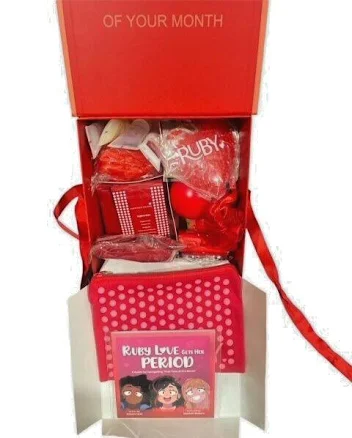
- organic cotton, waterproof backing layer
- A third party reports verifying it as PFAS-free
- Coating degradation and microparticle shedding
2 hazards checked on this product, all on its full breakdown.
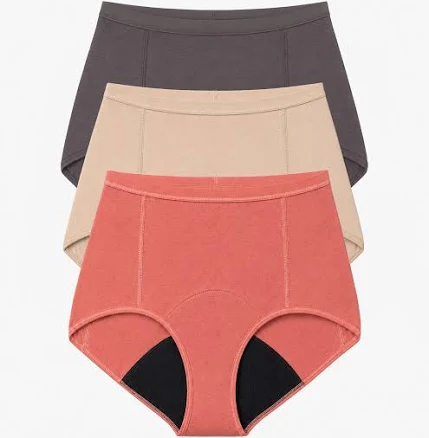
- organic cotton blend, water-resistant gusset
- The brand calls it PFAS-free, which we have not verified
- Microplastic shedding from water-resistant barrier
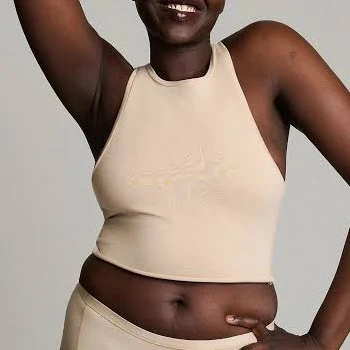
- Organic cotton, wood pulp fiber
- The brand calls it PFAS-free, which we have not verified
- Azo dyes and synthetic dyes
2 hazards checked on this product, all on its full breakdown.
More period underwear grades
How we score, every product runs through the same public 0-100 rubric based on materials, coatings, brand disclosure, lab findings, and recalls. See the full methodology → Spotted a mistake? Report an error.