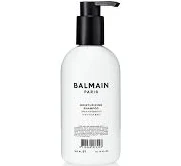
· Shampoo
Moisturizing Shampoo
Lower PFAS concern for typical liquid shampoo; no red flags but brand offers no disclosure.
This rinse-off liquid shampoo needs no waterproofing, nonstick, or grease-resistance properties where PFAS typically appear. Doesn't publicly disclose PFAS avoidance or testing data.
We flunk more products than we pass. This one earned its grade. How we grade
Material
Water-based shampoo formulation (typical, surfactants, humectants, conditioning agents)
Brand disclosure
Brand is silent on PFAS
Lab data
No public lab test
You may also be interested in
Top-graded picks in the categories readers replace first, every one scored on the same rubric.

- polypropylene filter housing, carbon/sediment cartridge
- We found no PFAS statement from the brand
- Bacterial growth in spent cartridges
3 hazards checked on this product, all on its full breakdown.

Aquasure
Premier Series 75 GPD Under Sink Reverse Osmosis Water Filtration System
- RO membrane, carbon filters, stainless steel housing
- We found no PFAS statement from the brand
- Bacterial and microbial growth in housing and filters
4 hazards checked on this product, all on its full breakdown.

Avocado
Vegan Mattress
- organic cotton, natural latex, coconut coir, recycled steel coils
- The brand calls it PFAS-free, which we have not verified
- Heavy metals
2 hazards checked on this product, all on its full breakdown.
What Moisturizing Shampoo is made of, ingredients and materials
Moisturizing Shampoo is a water-based liquid formulation relying on synthetic surfactants (likely sodium lauryl sulfate or gentler alternatives) to cleanse, plus humectants such as glycerin or panthenol to retain moisture. These are stable, volatile-free ingredients at room temperature and do not degrade into hazardous byproducts during normal storage or use. Conditioning agents are typically silicones, fatty alcohols, or plant-derived polymers that deposit on hair without systemic absorption. The liquid format eliminates risks from particulate inhalation or thermal decomposition that solid or aerosol formats carry.
What’s concerning
Category baseline
The starting point for this type of product, before anything specific to this product is counted.
No PFAS disclosure
No public statement from the brand about PFAS in this product.
Fragrance allergens and sensitizers
Shampoos contain fragrance blends listed as 'Fragrance' or 'Parfum' on ingredient labels. Fragrance is a known trigger for contact dermatitis and scalp irritation in sensitive individuals; the specific allergen compounds are not disclosed. Risk is not unique to the brand but depends on personal skin reactivity.
Scalp or eye irritation from surfactant strength
Even gentle surfactants can irritate sensitive scalp skin or eyes on contact. The brand's exact surfactant concentration and type are proprietary to customization, so irritation risk varies by formulation. Standard mitigation is to rinse thoroughly and avoid eye contact.
What’s reassuring
Base material not linked to PFAS
The main material recorded for this product is not one associated with PFAS.
1,4-dioxane (surfactant contaminant)
Liquid shampoos may contain trace 1,4-dioxane as a byproduct of ethoxylation in certain surfactant synthesis. No testing results or recalls specific to the brand have been published. Industry data suggest modern formulations achieve very low levels (<10 ppm), and dermal absorption from brief shampoo contact is negligible.
Formaldehyde / VOCs
The brand does not list DMDM hydantoin, diazolidinyl urea, or other formaldehyde-releasing agents on publicly available ingredient disclosures for their standard moisturizing shampoo. Phenoxyethanol and sodium benzoate are more likely preservatives, which do not release formaldehyde.
Source, ATSDR ↗Microplastic content (polyethylene beads or microfibers)
Modern shampoos generally avoid polyethylene microbeads following regulatory phase-outs (US 2015+, EU 2018+). The brand does not advertise exfoliating beads in their moisturizing line, and no evidence of microplastic content in published formulations is available.
How is this PFAS grade calculated?
The brand's record and disclosure
The brand markets itself as a customized haircare brand with emphasis on ingredient transparency in marketing materials, yet does not publish comprehensive third-party certifications (such as EWG verification or Leaping Bunny) on their standard product pages. The brand has not faced documented recalls or public safety controversies related to their shampoo formulations. The brand does not publicly disclose PFAS testing or commit to PFAS-free sourcing, which is typical for mainstream haircare brands but notable given their transparency positioning.
How it compares in its category
The brand's formula sits in the mid-market segment, more ingredient-conscious marketing than drugstore brands (Pantene, Head and Shoulders) but lacking independent certifications that distinguish premium or clean-label competitors (Acure, Burt's Bees). Most mainstream liquid shampoos share similar surfactant and conditioning agent chemistries, so hazard profiles are broadly comparable. The brand's formulation risk is neither elevated nor reduced relative to equivalent price-point alternatives; differentiation is largely marketing and customization, not composition safety.
If you buy it
Store the bottle upright in a cool, dry place away from direct sunlight to prevent ingredient degradation and preserve container integrity over the 12-18 month typical shelf life. Discontinue use immediately if irritation, rash, or eye reaction occurs and rinse thoroughly; patch-test the product on inner wrist or behind ear first if you have known fragrance or surfactant sensitivities. Check the full ingredient list against any personal allergens (common culprits, fragrance compounds, certain plant extracts, preservatives like sodium benzoate) before purchase, as customization may introduce ingredients not present in all variants. No special disposal or safety maintenance is required; empty bottles are recyclable plastic.
What is not known about PFAS in this product?
- Basis
- Model estimate, 72% confidence, not a lab result
- Lab test
- None on record for this exact product
- Brand statement
- has made none
Formulations change between production runs, so check the current label. How we grade.
More shampoo grades
How we score, every product runs through the same public 0-100 rubric based on materials, coatings, brand disclosure, lab findings, and recalls. See the full methodology → Spotted a mistake? Report an error.