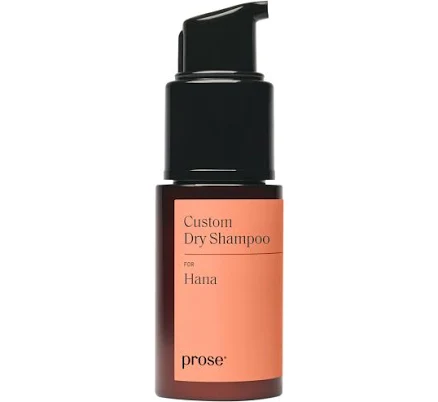
Prose Dry Shampoo for Dry Scalp
Lower concern; dry shampoo powders rarely need PFAS, but brand provides no disclosure.
Powder-based formulas don't require water-resistance, stain treatment, or nonstick coatings that necessitate PFAS. Prose makes no public PFAS testing claims or transparency statements.
We flunk more products than we pass. This one earned its grade. How we grade
Material
Powder-based dry shampoo (starch, talc, or clay base)
Brand disclosure
Brand is silent on PFAS
Lab data
No public lab test
You may also be interested in
Top-graded picks in the categories readers replace first, every one scored on the same rubric.

- polypropylene filter housing, carbon/sediment cartridge
- We found no PFAS statement from the brand
- Bacterial growth in spent cartridges
3 hazards checked on this product, all on its full breakdown.

Aquasure
Premier Series 75 GPD Under Sink Reverse Osmosis Water Filtration System
- RO membrane, carbon filters, stainless steel housing
- We found no PFAS statement from the brand
- Bacterial and microbial growth in housing and filters
4 hazards checked on this product, all on its full breakdown.

Avocado
Vegan Mattress
- organic cotton, natural latex, coconut coir, recycled steel coils
- The brand calls it PFAS-free, which we have not verified
- Heavy metals
2 hazards checked on this product, all on its full breakdown.
What Prose Dry Shampoo for Dry Scalp is made of, ingredients and materials
Prose Dry Shampoo for Dry Scalp is a powder-based formula, typically built on absorbent bases like starches (rice, tapioca) or clay (bentonite, kaolin), designed to absorb scalp oils without water. These materials are not typically associated with PFAS concerns in standard formulations. The dry format eliminates concerns around preservative systems, emulsifiers, and water-related microbial growth that plague liquid formulas. Dry shampoos do carry fine particle inhalation risk if applied in poorly ventilated spaces, but this is a usage practice issue, not a formulation toxicity issue.
What’s concerning
Category baseline
The starting point for this type of product, before anything specific to this product is counted.
No PFAS disclosure
No public statement from the brand about PFAS in this product.
Talc contamination and inhalation risk
Prose does not publicly state whether the dry shampoo base is talc or alternative (starch, clay). Talc-based dry shampoos carry fine particle inhalation risk with repeated use, particularly in poorly ventilated bathrooms. No published analysis of this specific product's talc content or asbestos screening exists.
Fragrance allergens and undisclosed components
Prose formulas typically include fragrance, listed as a single ingredient on the label without breakdown of individual fragrance chemicals. Common fragrance allergens (limonene, linalool, geraniol) are not itemized, making pre-screening impossible for sensitive users. Unilever's fragrance suppliers have not published IFRA compliance documentation specific to this line.
What’s reassuring
Base material not linked to PFAS
The main material recorded for this product is not one associated with PFAS.
Preservative or antimicrobial absence and mold risk
Dry powder format inherently resists bacterial and fungal growth due to low water activity. No recalls or complaints related to microbial contamination are on record for Prose dry shampoo.
Heavy metals
No published testing or recalls for lead, cadmium, or arsenic in Prose dry shampoo. Starch and clay bases are not materials linked to PFAS; mineral colorants (iron oxides, mica) used in cosmetics are FDA-listed with lower concern when sourced from reputable suppliers, which established brands typically employ.
Source, FDA ↗Packaging leachables
Prose dry shampoo is typically sold in cardboard or plastic shaker bottles. No known issues with migration into dry powder formulas from packaging; dry environment is protective against polymer degradation.
How is this PFAS grade calculated?
The brand's record and disclosure
Prose is a personalized haircare brand (part of Unilever as of 2021) with no public product recalls, safety violations, or formal certifications (e.g., EWG Verified, Clean Beauty, Leaping Bunny) on record for this line. The brand does not publicly disclose full ingredient sourcing, PFAS testing, or talc vs. alternative base material choices on product pages. Their parent company Unilever has faced talc litigation and has made commitments to talc phase-out in some categories, but Prose dry shampoo ingredient transparency remains limited.
How it compares in its category
Powder dry shampoos are inherently lower-hazard than liquid or aerosol alternatives because they avoid propellants, preservatives, and synthetic fragrance load. Prose sits in the mid-premium segment, alongside brands like Bumble and bumble and Living Proof, all of which also lack full PFAS disclosure. Indie brands like Kaia Naturals and Acure offer higher transparency on talc-free claims and simpler formulas; drugstore options like Batiste are similarly unvetted. Prose's customization angle does not translate to better safety documentation than mass-market competitors.
If you buy it
Apply in ventilated spaces to minimize fine particle inhalation; avoid spraying or vigorous shaking directly over face or mouth. Store in a cool, dry place away from moisture to prevent clumping and mold growth in the container. Replace every 12-18 months or after visible discoloration or odor change. If you have a known talc sensitivity or prefer talc-free products, contact Prose customer service to confirm the base material before purchase, as this is not specified on public product listings.
What is not known about PFAS in this product?
- Basis
- Model estimate, 72% confidence, not a lab result
- Lab test
- None on record for this exact product
- Brand statement
- Prose has made none
Formulations change between production runs, so check the current label. How we grade.
More shampoo grades
How we score, every product runs through the same public 0-100 rubric based on materials, coatings, brand disclosure, lab findings, and recalls. See the full methodology → Spotted a mistake? Report an error.