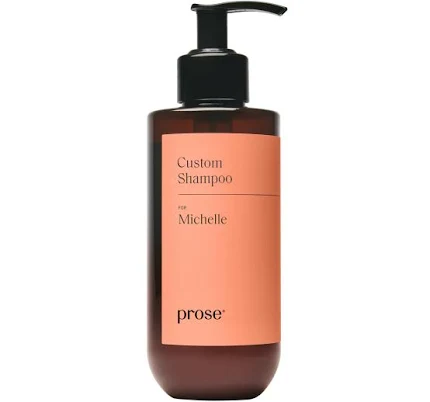
Prose Reduces Breakage Non-Stripping Shampoo
Lower-concern product with no inherent PFAS triggers; brand makes no public commitment.
This liquid shampoo lacks the nonstick, water-repellent, or stain-resistant properties that typically require PFAS chemicals. Prose doesn't disclose PFAS testing or make avoidance claims.
We flunk more products than we pass. This one earned its grade. How we grade
Material
water-based liquid shampoo formula
Brand disclosure
Brand is silent on PFAS
Lab data
No public lab test
You may also be interested in
Top-graded picks in the categories readers replace first, every one scored on the same rubric.

- polypropylene filter housing, carbon/sediment cartridge
- We found no PFAS statement from the brand
- Bacterial growth in spent cartridges
3 hazards checked on this product, all on its full breakdown.

Aquasure
Premier Series 75 GPD Under Sink Reverse Osmosis Water Filtration System
- RO membrane, carbon filters, stainless steel housing
- We found no PFAS statement from the brand
- Bacterial and microbial growth in housing and filters
4 hazards checked on this product, all on its full breakdown.

Avocado
Vegan Mattress
- organic cotton, natural latex, coconut coir, recycled steel coils
- The brand calls it PFAS-free, which we have not verified
- Heavy metals
2 hazards checked on this product, all on its full breakdown.
What Prose Reduces Breakage Shampoo is made of, ingredients and materials
Prose's breakage-reducing shampoo is a water-based liquid formula, the lowest-risk delivery system for personal care products. The 'non-stripping' claim suggests gentler surfactants (likely sulfate-free or mild amphoteric types) and conditioning agents such as silicones, proteins, or oils to coat and protect hair. Water-based liquids do not concentrate synthetic chemicals the way powders or solid formats do, and the rinsing step removes the product entirely after use, limiting skin absorption.
What’s concerning
Category baseline
The starting point for this type of product, before anything specific to this product is counted.
No PFAS disclosure
No public statement from the brand about PFAS in this product.
1,4-dioxane (synthetic contaminant)
Dioxane is a common byproduct of ethoxylation in mild surfactants used in sulfate-free formulas. Prose does not disclose supplier screening or contaminant testing; the risk is low but not ruled out without third-party verification.
Fragrance allergens and undisclosed components
Prose uses fragrance blends but does not list individual fragrance ingredients, preventing allergy-sensitive consumers from identifying potential triggers. Typical haircare fragrance concentrations are low-risk, but lack of transparency limits informed assessment.
Formaldehyde / VOCs
Preservatives such as DMDM hydantoin or imidazolidinyl urea (both common in shampoos) release small amounts of formaldehyde over time. No public disclosure of Prose's preservative choices; risk is standard for the category but unverified for this brand.
Source, ATSDR ↗Microbial contamination if seal is compromised
Liquid shampoos are aqueous and can support bacterial or mold growth if stored in humidity or if the bottle seal is damaged. Standard risk for any liquid personal care; use normal hygiene and storage practices.
What’s reassuring
Base material not linked to PFAS
The main material recorded for this product is not one associated with PFAS.
Heavy metals
No recalls or reports of cadmium, lead, or arsenic in Prose shampoo. Water-based formats do not concentrate metals as easily as pigmented powders or pressed solids; risk is minimal.
Source, FDA ↗How is this PFAS grade calculated?
The brand's record and disclosure
Prose does not publish a full ingredient list or safety data sheet publicly; the brand markets customized formulations but offers no third-party certifications (e.g., EWG Verified, Leaping Bunny, or NSF) and has not made explicit commitments to PFAS avoidance or disclosure. No major recalls or safety controversies are on record for this product line. The silence on ingredient sourcing and testing is typical of prestige haircare brands but represents a gap in transparency.
How it compares in its category
Liquid shampoos have lower concern than solid bars or powders because dilution in water reduces hazard density and ensures removal via rinsing. Prose positions itself as a premium, custom alternative to mass-market brands; comparable products from Olaplex, Briogeo, or Mielle typically disclose more ingredients and some hold third-party certifications. Prose's opacity is a minor disadvantage but does not indicate elevated risk relative to mass-market sulfate-free shampoos.
If you buy it
Use as directed and rinse thoroughly to ensure complete removal from hair and scalp. Store in a cool, dry place away from direct heat or sunlight to prevent formulation separation or degradation. If irritation develops, discontinue and rinse well; shampoos are leave-in-free, so contact time is brief. Replace the bottle if separation, odor change, or visible discoloration appears, indicating possible microbial growth or oxidation.
What is not known about PFAS in this product?
- Basis
- Model estimate, 72% confidence, not a lab result
- Lab test
- None on record for this exact product
- Brand statement
- Prose has made none
Formulations change between production runs, so check the current label. How we grade.
More shampoo grades
How we score, every product runs through the same public 0-100 rubric based on materials, coatings, brand disclosure, lab findings, and recalls. See the full methodology → Spotted a mistake? Report an error.