AllerEase · Mattress Protectors
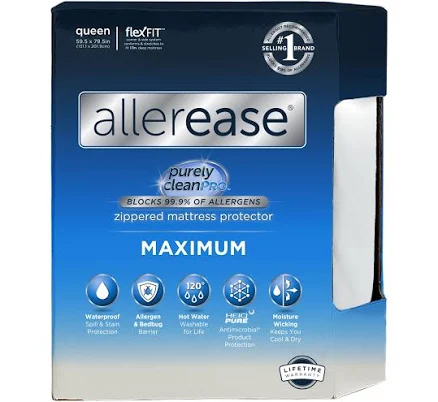
Allerease Maximum Allergy Mattress Protector
Avoid until the brand reveals its coating formula.
This polyester mattress protector has a water-repellent coating, a treatment category with historical ties to PFAS use. The brand offers no public information about the specific chemicals in its waterproofing or any PFAS-free status.
The better-graded swap
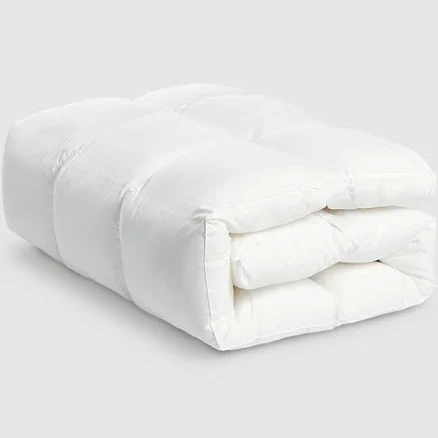
Coop Home Goods
Coop Sleep Goods Essence Down Alternative Mattress Topper
75/100 safety
Same rubric that flunked this product. The swap earned Excellent.
Still want this one anyway? Check the price on Amazon. We’d swap it.
Material
Polyester with water-repellent coating (water-repellent coating) coating
Brand disclosure
Brand is silent on PFAS
Lab data
No public lab test
Is Allerease Maximum Allergy Mattress non-toxic? What it is made of
This protector is polyester fabric treated with a water-repellent coating (water-repellent coating) coating to repel liquids. water-repellent coating coatings historically relied on PFAS chemicals (fluorocarbons) to achieve water-beading properties, though some manufacturers have shifted to non-fluorinated alternatives. Protect-A-Bed has not publicly disclosed which type their Allerease line uses, leaving the chemical composition opaque. Polyester itself is stable and does not leach significantly, but the coating is the concern.
What’s concerning
Category baseline
The starting point for this type of product, before anything specific to this product is counted.
No PFAS disclosure
No public statement from the brand about PFAS in this product.
Waterproof / stain-resistant treatment
Water-repellent coating treatments have historically used PFAS.
PFAS
Protect-A-Bed has not disclosed whether this product uses legacy PFAS-based water-repellent coating or newer alternatives. Given the brand's silence and the product's positioning as budget-friendly, conventional fluorinated water-repellent coating remains probable. PFAS can migrate into contact with skin and dust, particularly as the coating degrades.
Source, ATSDR ↗Microplastic shedding from polyester base
Polyester fibers shed microplastics when friction occurs (tossing during washing, body movement). While mattress protectors are between the sleeper and mattress (reducing direct skin contact), microplastics can still enter household dust and potentially be inhaled.
VOC or solvent residues from coating application
Water-repellent coating processes often use organic solvents. Off-gassing of volatile compounds may occur during the first few washes and is why a pre-wash is recommended. No specific VOC testing has been publicly reported for this product.
Degradation and coating loss over time
Standard polyester water-repellent coating coatings are temporary and wash out with use. Once the water-repellent layer erodes, the underlying polyester becomes more permeable and loses the sealing benefit, reducing protection and potentially increasing dust-mite entry.
What’s reassuring
Formaldehyde / VOCs
Allerease branding suggests allergen focus, and standard polyester does not inherently require formaldehyde resins. No recalls or complaints specific to formaldehyde in this product line are on record, but untested samples cannot be ruled out.
Source, ATSDR ↗The full breakdown
The brand's record and disclosure
Protect-A-Bed maintains a silent stance on PFAS use and has not published ingredient transparency, third-party testing, or a commitment to PFAS phase-out on their website or product documentation. The company markets allergen-blocking and waterproofing but does not address the chemistry behind water-resistance. This lack of disclosure is a red flag in an industry where competitors (e.g., some organic and eco-certified brands) now market PFAS-free options.
How it compares in its category
Mattress protectors compete on impermeability and allergen-blocking. Budget and mid-range models like Allerease typically use conventional PFAS-based water-repellent coating for cost-effectiveness and durability. Premium competitors increasingly offer alternatives using wax, silicone, or paraffin coatings that are not materials linked to PFAS, though these may require more frequent washing. Hypoallergenic certification (which this product carries) addresses dust mites and allergens but does not guarantee chemical safety.
If you buy it
Wash the protector at least once before first use to reduce any loose coating residue or manufacturing chemicals. Machine wash in warm water (cold is gentler on coatings) and tumble-dry on low heat; high heat can degrade the water-repellent coating finish. Replace every 2-3 years or sooner if the water-beading visibly diminishes, signaling coating failure. Do not bleach or use harsh detergents, as these strip the water-repellent coating layer and increase direct contact with the polyester base.
What we don’t know
- Basis
- Model estimate, 42% confidence, not a lab result
- Lab test
- None on record for this exact product
- Brand statement
- AllerEase has made none
Formulations change between production runs, so check the current label. How we grade.
Better-graded alternatives in Mattress Protectors
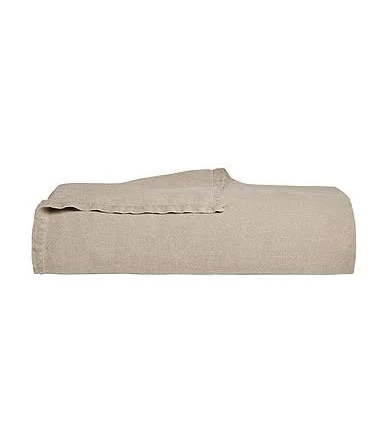
Parachute
Vintage Linen Bed Cover
- 100% linen, no reported coating
- We found no PFAS statement from the brand
- Heavy metals
3 hazards checked on this product. See all of them.
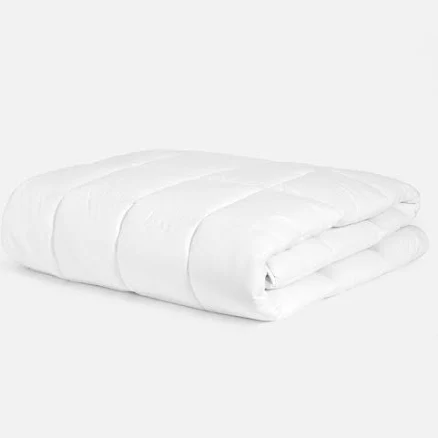
Brooklinen
Down Alternative Mattress Topper
- polyester down-alternative filling
- We found no PFAS statement from the brand
- Azo dyes and colorant migration
4 hazards checked on this product. See all of them.
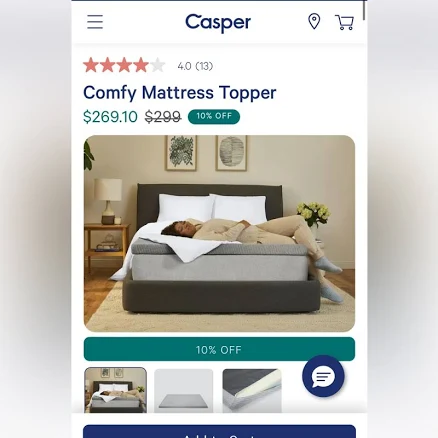
Casper
Sleep Comfy Mattress Topper
- Polyurethane foam, cotton/polyester blend cover
- We found no PFAS statement from the brand
- Volatile Organic Compound (VOC) off-gassing
3 hazards checked on this product. See all of them.
More mattress protectors grades
How we score, every product runs through the same public 0-100 rubric based on materials, coatings, brand disclosure, lab findings, and recalls. See the full methodology → Spotted a mistake? Report an error.