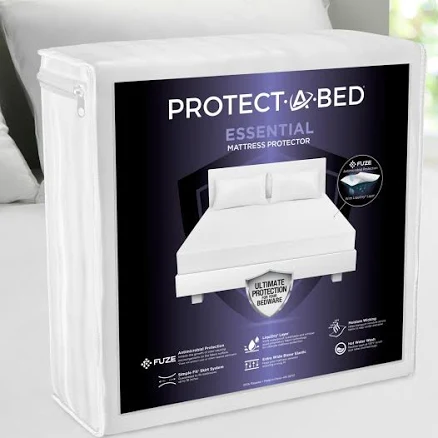
Protect-A-Bed · Mattress Protectors
Essential Mattress Protector Protect-A-Bed
Skip until brand discloses coating chemistry. Mattress protectors commonly use PFAS-based water barriers.
Protect-A-Bed does not disclose the chemical composition of its waterproof coating. Mattress protectors typically rely on water-repellent coating treatments, many of which historically contained PFAS.
The better-graded swap
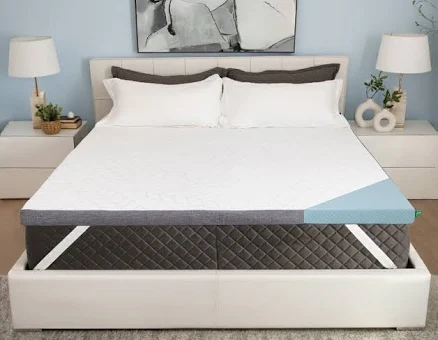
Sleepyhead
Sleepyhead 3 Gel-Infused Memory Foam Mattress Topper with Washable Cover
75/100 safety
Same rubric that flunked this product. The swap earned Excellent.
Still want this one anyway? Check the price on Amazon. We’d swap it.
Material
Polyurethane/unknown waterproof coating on textile base
Brand disclosure
Brand is silent on PFAS
Lab data
No public lab test
Is Essential Mattress Protector Protect-A-Bed non-toxic? What it is made of
Protect-A-Bed mattress protectors use a polyurethane layer bonded to a textile base with an unspecified waterproof coating. Polyurethane itself is inert when cured, but the waterproofing layer's chemistry is critical, PFAS-based coatings (common in the category) persist in the body and environment, while alternatives like silicone or non-fluorinated polymers present lower concern for persistence. The brand does not publicly disclose which type is used in this product, making informed assessment impossible.
What’s concerning
Category baseline
The starting point for this type of product, before anything specific to this product is counted.
No PFAS disclosure
No public statement from the brand about PFAS in this product.
Waterproof / stain-resistant treatment
Water-repellent coating treatments have historically used PFAS.
PFAS
Mattress protectors commonly use PFAS-based water barriers; Protect-A-Bed does not disclose coating type, making PFAS presence probable but unconfirmed. Brand silence on this hazard is a major red flag in current market context.
Source, ATSDR ↗Polyurethane degradation and off-gassing
Polyurethane layers can degrade over years or with heat exposure, potentially releasing volatile organic compounds (VOCs) including isocyanates. No product-specific data available, but risk is inherent to the material class if not properly cured during manufacturing.
Bacterial growth under protector
Waterproof barrier blocks moisture from escaping, creating potential for bacterial or mold growth if mattress is not well-ventilated or protector is not cleaned regularly. This is a use-related hazard, not a material defect.
Coating adhesion loss over time
Consumer reports online mention peeling, flaking, or loss of water resistance in similar polyurethane-coated protectors after 2-5 years of use. Protect-A-Bed products show similar longevity complaints; no manufacturing defect recall on record, but durability is inconsistent.
What’s reassuring
Formaldehyde / VOCs
Textile base may contain formaldehyde-based resins used in fabric finishing, but no reports of excess formaldehyde in Protect-A-Bed products exist. Standard fabric treatments are typically not a major concern in mattress protectors.
Source, ATSDR ↗The full breakdown
The brand's record and disclosure
Protect-A-Bed maintains minimal chemical transparency on their website and product documentation. No third-party certifications (Oeko-Tex, GOTS, or STANDARD 100) are advertised. The brand has not issued public statements addressing PFAS use or alternatives. This silence is notable in a category where major competitors increasingly market PFAS-free options and disclose coating chemistry.
How it compares in its category
Mattress protectors vary widely in waterproofing approach. Protect-A-Bed's unnamed polyurethane coating is typical of mid-market brands, but transparent competitors now specify non-PFAS barriers (e.g., silicone or PU without fluorochemicals) or hold certifications that exclude PFAS. Budget models often skip disclosure; premium brands increasingly market PFAS-free claims and third-party verification.
If you buy it
Do not expose to direct heat sources or machine dry above 130°F, as polyurethane coatings can break down and off-gas. Wash the protector separately using mild detergent and cool water every 1-2 months to remove body oils and dust, which degrade waterproofing. Replace if surface becomes tacky, cracks, or peeling occurs, or every 5-7 years regardless. Request coating chemistry from Protect-A-Bed before purchase if PFAS avoidance is a priority.
What we don’t know
- Basis
- Model estimate, 35% confidence, not a lab result
- Lab test
- None on record for this exact product
- Brand statement
- Protect-A-Bed has made none
Formulations change between production runs, so check the current label. How we grade.
Better-graded alternatives in Mattress Protectors
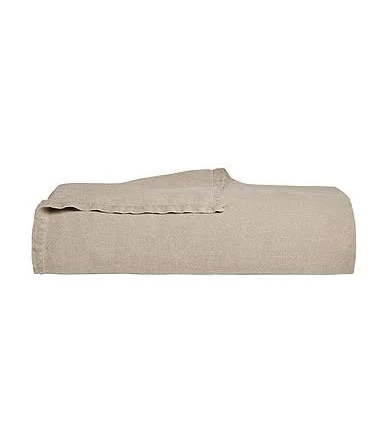
Parachute
Vintage Linen Bed Cover
- 100% linen, no reported coating
- We found no PFAS statement from the brand
- Heavy metals
3 hazards checked on this product. See all of them.
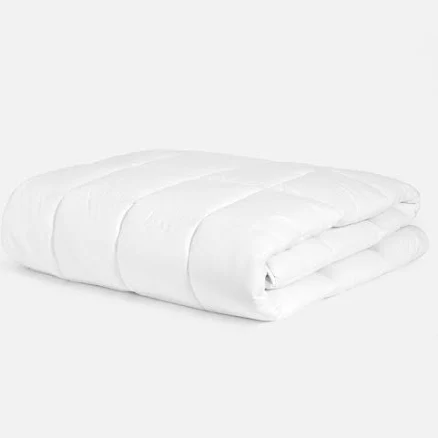
Brooklinen
Down Alternative Mattress Topper
- polyester down-alternative filling
- We found no PFAS statement from the brand
- Azo dyes and colorant migration
4 hazards checked on this product. See all of them.
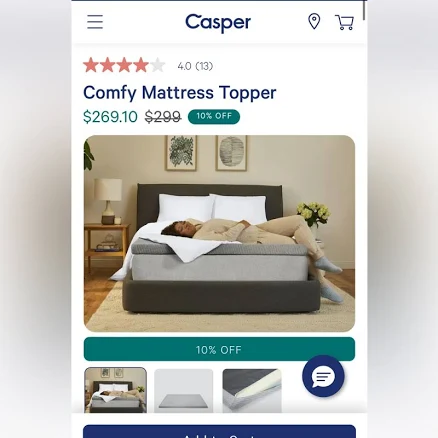
Casper
Sleep Comfy Mattress Topper
- Polyurethane foam, cotton/polyester blend cover
- We found no PFAS statement from the brand
- Volatile Organic Compound (VOC) off-gassing
3 hazards checked on this product. See all of them.
More mattress protectors grades
How we score, every product runs through the same public 0-100 rubric based on materials, coatings, brand disclosure, lab findings, and recalls. See the full methodology → Spotted a mistake? Report an error.