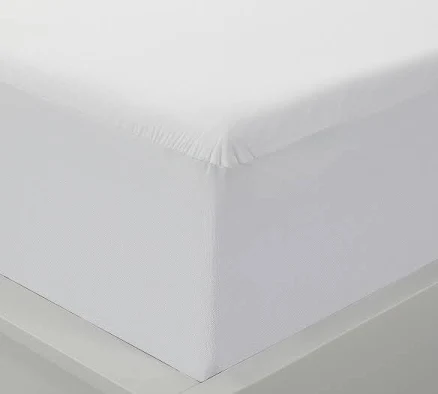
Protect-A-Bed · Mattress Protectors
Pottery Barn Protect-A-Bed Waterproof Mattress Protector
Avoid until the brand reveals its coating formula.
This waterproof mattress protector lacks any public statement on PFAS or its chemical composition. Waterproof bedding typically uses fluorochemical treatments for water resistance.
The better-graded swap
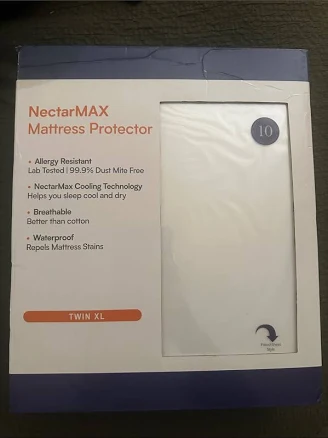
Nectar
Nectar MAX Set Mattress
75/100 safety
Same rubric that flunked this product. The swap earned Excellent.
Still want this one anyway? Check the price on Amazon. We’d swap it.
Material
Polyurethane membrane with undisclosed waterproof coating
Brand disclosure
Brand is silent on PFAS
Lab data
No public lab test
Is Pottery Barn Protect-A-Bed Waterproof non-toxic? What it is made of
Protect-A-Bed mattress protectors use a polyurethane (PU) membrane as the base waterproofing layer. The undisclosed waterproof coating applied to this membrane is the core concern, waterproof finishes on textiles are commonly formulated with fluorinated chemicals (PFAS) to achieve water and stain repellency. Polyurethane itself is stable under normal use, but the coating formula remains a black box. Without transparency on whether the coating contains PFOA, PFOS, or their replacements, the chemical risk cannot be quantified.
What’s concerning
Category baseline
The starting point for this type of product, before anything specific to this product is counted.
No PFAS disclosure
No public statement from the brand about PFAS in this product.
Waterproof / stain-resistant treatment
Water-repellent coating treatments have historically used PFAS.
PFAS
The polyurethane membrane's waterproof finish is undisclosed; fluorinated compounds are standard in textile water repellency, but the brand has not ruled out legacy PFAS (PFOA, PFOS) or newer replacements (GenX, ADONA). Risk is plausible but unconfirmed without chemical testing.
Source, ATSDR ↗Coating degradation and leaching
Polyurethane membranes can degrade over time or with improper cleaning (heat, solvents, abrasion), potentially releasing monomers or processing residues. No reported incidents for Protect-A-Bed specifically, but degradation is a known failure mode in this material class.
Volatile organic compound (VOC) off-gassing
New polyurethane-based protectors commonly off-gas odorous compounds (isocyanates, solvents) for weeks after manufacture. Ventilation and air quality should be prioritized; sensitive individuals (children, asthma) may experience respiratory irritation during the first 2-4 weeks of use.
Bacterial or mold growth if moisture traps
If the waterproof membrane delaminates or seals fail, moisture becomes trapped between layers, creating conditions for microbial growth. This is a maintenance and durability issue rather than a chemical hazard, but poor hygiene can result if the protector is not replaced promptly.
What’s reassuring
Formaldehyde / VOCs
Textile backings can contain formaldehyde-based resins for wrinkle resistance or sizing. Protect-A-Bed has not published backing composition; no recalls or testing results are public. Standard cotton or polyester backings carry lower risk if formaldehyde-free finishes are used.
Source, ATSDR ↗The full breakdown
The brand's record and disclosure
Pottery Barn and Protect-A-Bed have not published ingredient disclosures, PFAS testing results, or certifications (such as OEKO-TEX or STANDARD 100) for this product. No public recalls or contamination reports have emerged for this specific model, but the brand's silence on coating chemistry is a transparency red flag in an industry where PFAS disclosure is increasingly standard. Competitors (notably some Tempur-Pedic and Sleep Number models) now offer PFAS-free certifications or full ingredient lists; Protect-A-Bed has not matched this disclosure pace.
How it compares in its category
This protector sits in the mid-to-premium segment of the mattress-protector market. Most budget alternatives use polyester or cotton blends without waterproof coatings (not a material linked to PFAS but poor water resistance). Premium competitors increasingly tout PFAS-free or PFOA-free certifications. Protect-A-Bed's refusal to specify its coating chemistry places it behind transparent brands while charging premium prices, making it a weaker choice for informed buyers.
If you buy it
Wash separately in cool water (avoid heat, which may degrade the coating and potentially release volatiles) and do not tumble dry. Inspect the surface annually for peeling, cracking, or delamination; replacement should occur immediately if the membrane fails, as water infiltration will compromise mattress hygiene and longevity. Do not dry-clean or use solvents, as these may dissolve or mobilize the undisclosed coating. Contact Pottery Barn directly to request a safety data sheet or PFAS-test result before purchase if waterproofing chemistry is a priority for your household.
What we don’t know
- Basis
- Model estimate, 35% confidence, not a lab result
- Lab test
- None on record for this exact product
- Brand statement
- Protect-A-Bed has made none
Formulations change between production runs, so check the current label. How we grade.
Better-graded alternatives in Mattress Protectors
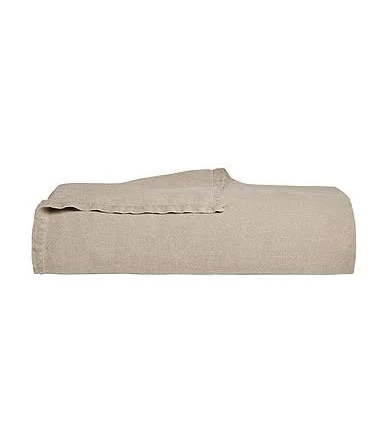
Parachute
Vintage Linen Bed Cover
- 100% linen, no reported coating
- We found no PFAS statement from the brand
- Heavy metals
3 hazards checked on this product. See all of them.
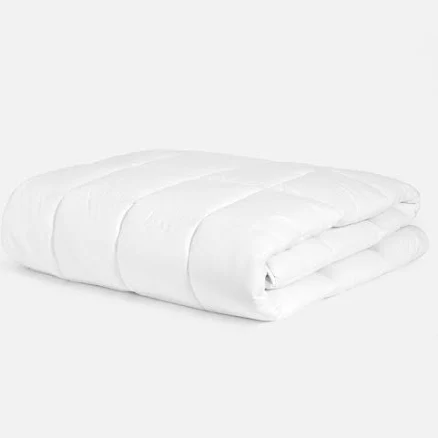
Brooklinen
Down Alternative Mattress Topper
- polyester down-alternative filling
- We found no PFAS statement from the brand
- Azo dyes and colorant migration
4 hazards checked on this product. See all of them.
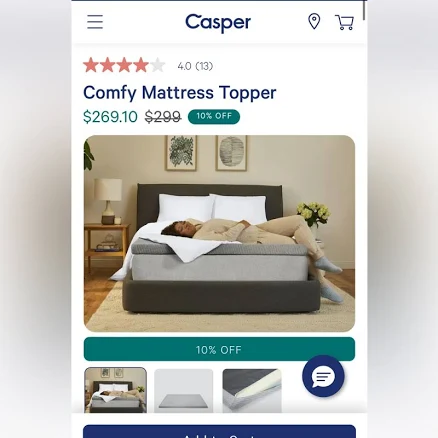
Casper
Sleep Comfy Mattress Topper
- Polyurethane foam, cotton/polyester blend cover
- We found no PFAS statement from the brand
- Volatile Organic Compound (VOC) off-gassing
3 hazards checked on this product. See all of them.
More mattress protectors grades
How we score, every product runs through the same public 0-100 rubric based on materials, coatings, brand disclosure, lab findings, and recalls. See the full methodology → Spotted a mistake? Report an error.