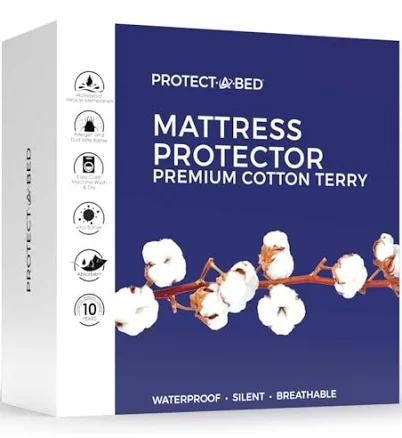
Protect-A-Bed · Mattress Protectors
Premium Mattress Protector Protect-A-Bed
Skip until Protect-A-Bed discloses coating chemistry or obtains third-party verification.
Protect-A-Bed Premium relies on water and stain-resistant treatments but does not disclose whether PFAS or PFAS-free chemistry is used. Without transparency, risk cannot be ruled out.
The better-graded swap
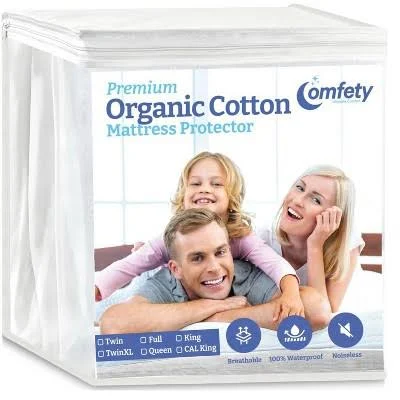
Organic Mattress Protector 2-Pack
75/100 safety
Same rubric that flunked this product. The swap earned Excellent.
Still want this one anyway? Check the price on Amazon. We’d swap it.
Material
Polyurethane or polyester blend with water-resistant coating (specifics unconfirmed)
Brand disclosure
Brand is silent on PFAS
Lab data
No public lab test
Is Premium Mattress Protector Protect-A-Bed non-toxic? What it is made of
Protect-A-Bed mattress protectors are marketed as polyurethane or polyester blend with a water-resistant coating, but the company does not publicly disclose the specific chemistry of that coating. Water-resistant finishes on textiles typically rely on either PFAS (fluorochemicals) or silicone-based treatments; without transparency, you cannot determine which is used here. The polyurethane or polyester backing itself can off-gas volatile organic compounds (VOCs), particularly during the first weeks after purchase and when exposed to heat.
What’s concerning
Category baseline
The starting point for this type of product, before anything specific to this product is counted.
No PFAS disclosure
No public statement from the brand about PFAS in this product.
Waterproof / stain-resistant treatment
Water-repellent coating treatments have historically used PFAS.
PFAS
Coating chemistry is not disclosed; water-resistant finishes on textiles commonly use PFAS fluorochemicals. Without brand confirmation of PFAS-free alternatives, assume presence is possible and probable.
Source, ATSDR ↗VOC off-gassing from polyurethane or polyester
Polyurethane and polyester blends can release volatile organic compounds, particularly when new and when heated. Intensity depends on adhesives and backing treatments not publicly specified by Protect-A-Bed.
Flame retardants
Mattress protectors may contain flame retardants (brominated or chlorinated compounds, antimony compounds) to meet flammability standards, though Protect-A-Bed does not disclose which or whether they are applied. Risk is primarily inhalation during off-gassing, not skin contact.
Source, EPA ↗Coating degradation and leachate release
Over time, water-resistant coatings can crack, peel, or degrade with washing and heat exposure. Degraded coatings may release monomers or particulates into the bed environment; long-term effects are not established for this specific product.
What’s reassuring
Microplastic shedding from synthetic textile
No reported issues specific to Protect-A-Bed. Polyester textiles shed microfibers over time, but protector-to-skin contact is limited; risk is mainly environmental if laundered frequently.
The full breakdown
The brand's record and disclosure
Protect-A-Bed does not publish detailed material safety data sheets or third-party certifications (such as STANDARD 100 by Oeko-Tex or GOTS) on their website or marketing materials. The company has not made public statements about PFAS avoidance or coating alternatives. No major recalls or documented safety controversies are on record for this specific product line, but the lack of proactive disclosure about coating chemistry is a red flag in an industry where PFAS concerns are increasingly well known.
How it compares in its category
Most mainstream mattress protectors (Tempur-Pedic, Sleep Number, budget alternatives) similarly do not disclose coating chemistry, making this product typical rather than exceptional. A small number of premium brands now market PFAS-free or PFAS-transparent alternatives using silicone or physical weave density alone. Protect-A-Bed occupies the middle tier, widely available and reasonably priced, but with no verifiable safety edge over competitors and less transparency than emerging PFAS-conscious brands.
If you buy it
Air the protector outdoors or in a well-ventilated room for 24-48 hours before placing on the mattress to allow initial VOC off-gassing. Wash before first use in cool water if the care label permits, and avoid high-heat drying (air dry preferred). Do not expose to direct sunlight or heat sources for prolonged periods, as this may degrade the coating and increase leachate risk. Replace every 3-5 years or if the water-resistant coating visibly degrades, flakes, or no longer repels liquid, as breakdown can expose the textile backing.
What we don’t know
- Basis
- Model estimate, 35% confidence, not a lab result
- Lab test
- None on record for this exact product
- Brand statement
- Protect-A-Bed has made none
Formulations change between production runs, so check the current label. How we grade.
Better-graded alternatives in Mattress Protectors
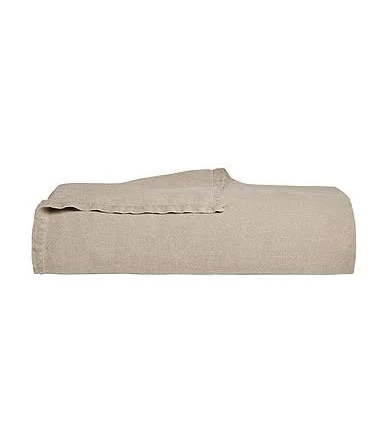
Parachute
Vintage Linen Bed Cover
- 100% linen, no reported coating
- We found no PFAS statement from the brand
- Heavy metals
3 hazards checked on this product. See all of them.
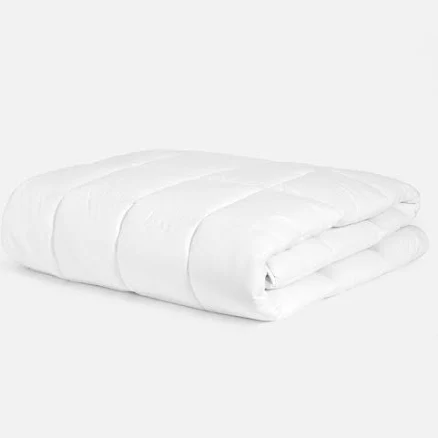
Brooklinen
Down Alternative Mattress Topper
- polyester down-alternative filling
- We found no PFAS statement from the brand
- Azo dyes and colorant migration
4 hazards checked on this product. See all of them.
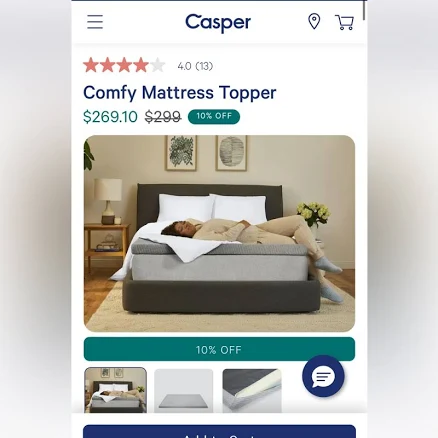
Casper
Sleep Comfy Mattress Topper
- Polyurethane foam, cotton/polyester blend cover
- We found no PFAS statement from the brand
- Volatile Organic Compound (VOC) off-gassing
3 hazards checked on this product. See all of them.
More mattress protectors grades
How we score, every product runs through the same public 0-100 rubric based on materials, coatings, brand disclosure, lab findings, and recalls. See the full methodology → Spotted a mistake? Report an error.