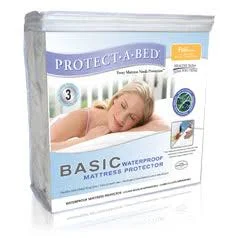
Protect-A-Bed · Mattress Protectors
Protect-A-Bed Basic Waterproof Mattress Protector
Skip until brand discloses coating chemistry. Waterproof mattress protectors commonly use PFAS-based water-repellent coating treatments.
Protect-A-Bed Basic advertises waterproofing but provides no detail on coating chemistry or PFAS status. Waterproof mattress protectors typically rely on fluorinated water-repellent coating finishes.
The better-graded swap
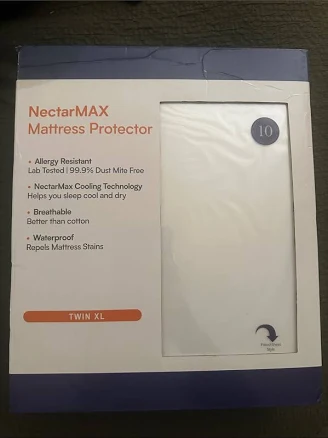
Nectar
Nectar MAX Set Mattress
75/100 safety
Same rubric that flunked this product. The swap earned Excellent.
Still want this one anyway? Check the price on Amazon. We’d swap it.
Material
polyurethane or synthetic waterproof backing (unspecified)
Brand disclosure
Brand is silent on PFAS
Lab data
No public lab test
Is Protect-A-Bed Basic Waterproof Mattress non-toxic? What it is made of
Protect-A-Bed Basic uses a polyurethane or synthetic waterproof backing layer, but the manufacturer does not publicly specify whether the water-repellent (water-repellent coating) finish is PFAS-based or alternative chemistry. Polyurethane itself is stable when intact, but the waterproofing treatment applied to it is the concern. Waterproof mattress protectors typically rely on chemical coatings to achieve their barrier function, and the industry standard has historically been PFAS-based fluorochemicals. Without transparency, you cannot determine exposure risk.
What’s concerning
Category baseline
The starting point for this type of product, before anything specific to this product is counted.
No PFAS disclosure
No public statement from the brand about PFAS in this product.
Waterproof / stain-resistant treatment
Water-repellent coating treatments have historically used PFAS.
PFAS
The manufacturer has not disclosed whether PFAS-based fluorochemicals are used in the waterproof backing. Waterproof mattress protectors in this price/feature tier historically rely on PFAS treatments; absence of a public PFAS-free claim suggests use is possible. PFAS exposure from textiles is primarily dermal and inhalation-based.
Source, ATSDR ↗Polyurethane coating degradation and leachate
Polyurethane backings degrade over time, especially with moisture exposure, heat, and laundering. As the coating breaks down, small fragments may release into contact with skin or be inhaled, and any uncrosslinked oligomers or additives may leach. Risk increases if the protector is used on heated beds (electric blankets) or in high-humidity environments.
Off-gassing of volatile organic compounds (VOCs)
New polyurethane-backed textiles commonly emit VOCs and odors during the first days to weeks of use. While manufacturers do not disclose specific VOC profiles for this product, the issue is typical of waterproof synthetic backings. Ventilation and washing before use can reduce initial off-gassing.
Microplastics
The polyurethane backing and any polyester tufting can shed microparticles over time, especially during washing or as the coating degrades. Inhaled or ingested microplastics are an emerging concern, though long-term health impact remains under study. Washing the protector in a laundry bag or delicate cycle may reduce shedding.
Source, EPA ↗What’s reassuring
Formaldehyde / VOCs
No public recalls or warnings specific to this product cite formaldehyde in the textile layers. However, many bed textiles and synthetic fabrics are treated with formaldehyde-based resins for wrinkle resistance or water resistance. The absence of OEKO-TEX or similar certification means no third-party testing has confirmed the absence of such treatments.
Source, ATSDR ↗The full breakdown
The brand's record and disclosure
Protect-A-Bed has not publicly disclosed the specific chemistry of its water-repellent coating or confirmed use or avoidance of PFAS. No major safety certifications (e.g., OEKO-TEX, GOTS, or third-party PFAS testing) appear on product marketing or available technical documents. The brand's silent stance on this issue is notable given increasing consumer and regulatory scrutiny of PFAS in textiles and home products. This lack of transparency is a red flag in a product category where PFAS use is widespread.
How it compares in its category
Most waterproof mattress protectors on the market use similar polyurethane or polyester-based backings, and many do rely on PFAS treatments, though some newer entrants market PFAS-free alternatives. Protect-A-Bed Basic is a mid-range product with no disclosed sustainability or chemical-safety advantage over competitors. Brands that have committed to PFAS-free waterproofing (e.g., Avocado, some Helix models) provide clearer assurance, making them easier to evaluate if avoiding forever chemicals is your priority.
If you buy it
Before purchase, contact the manufacturer directly and ask whether the waterproof coating contains PFAS or fluorinated compounds; request the safety data sheet (SDS) for the backing treatment. During use, ensure good ventilation in the bedroom to reduce inhalation of any off-gassed chemicals, especially in new protectors. Wash the protector before first use if the product allows machine washing to reduce residual processing chemicals. Replace it if the backing begins to peel, crack, or delaminate, as degradation may increase leachate and particle shedding onto the mattress.
What we don’t know
- Basis
- Model estimate, 45% confidence, not a lab result
- Lab test
- None on record for this exact product
- Brand statement
- Protect-A-Bed has made none
Formulations change between production runs, so check the current label. How we grade.
Better-graded alternatives in Mattress Protectors
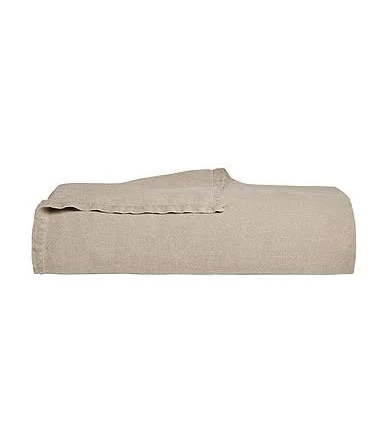
Parachute
Vintage Linen Bed Cover
- 100% linen, no reported coating
- We found no PFAS statement from the brand
- Heavy metals
3 hazards checked on this product. See all of them.
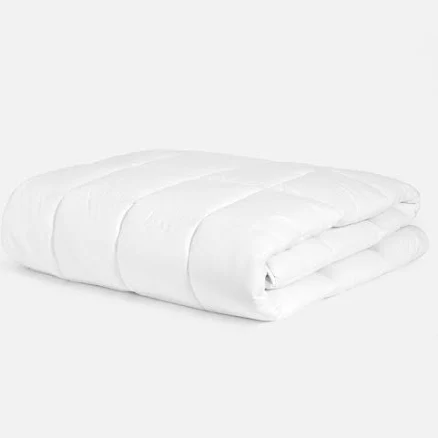
Brooklinen
Down Alternative Mattress Topper
- polyester down-alternative filling
- We found no PFAS statement from the brand
- Azo dyes and colorant migration
4 hazards checked on this product. See all of them.
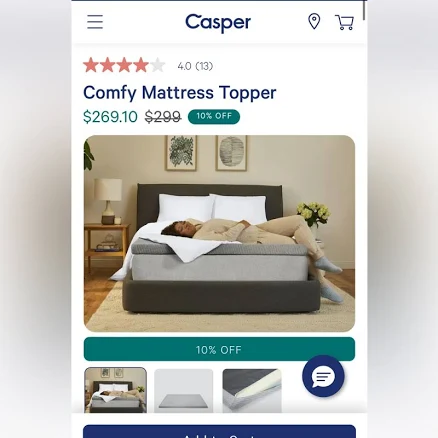
Casper
Sleep Comfy Mattress Topper
- Polyurethane foam, cotton/polyester blend cover
- We found no PFAS statement from the brand
- Volatile Organic Compound (VOC) off-gassing
3 hazards checked on this product. See all of them.
More mattress protectors grades
How we score, every product runs through the same public 0-100 rubric based on materials, coatings, brand disclosure, lab findings, and recalls. See the full methodology → Spotted a mistake? Report an error.