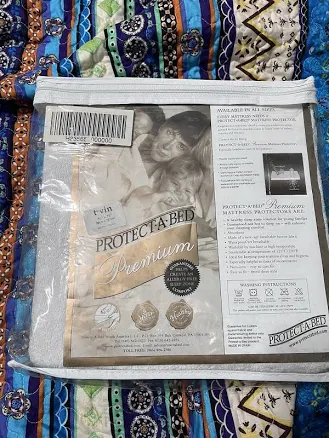
Protect-A-Bed · Mattress Protectors
Protect-A-Bed Elite Double-Sided Waterproof Mattress Protector
Avoid until the brand reveals its coating formula.
The waterproof and stain-resistant properties come from an undisclosed coating that the brand has not publicly detailed. Waterproof textiles in this category frequently use PFAS-based finishes.
The better-graded swap
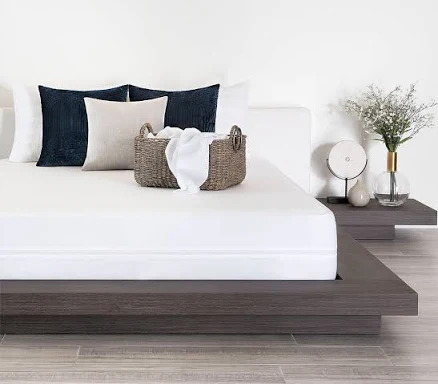
Brooklyn Bedding
Brooklyn Bedding Mattress Encasement, Twin
75/100 safety
Same rubric that flunked this product. The swap earned Excellent.
Still want this one anyway? Check the price on Amazon. We’d swap it.
Material
Polyurethane or polyester fabric with waterproof/stain-resistant coating (type unspecified)
Brand disclosure
Brand is silent on PFAS
Lab data
No public lab test
Is Protect-A-Bed Elite Double-Sided non-toxic? What it is made of
This protector uses a polyurethane or polyester fabric base with an unspecified waterproof coating, likely either polyurethane laminate or a fluorochemical (PFAS) finish given the brand's poor PFAS transparency score. Polyurethane itself is chemically inert once cured, but the waterproof topcoat is the unknown variable. Double-sided coating increases potential leaching surface area, especially under humidity or heat from body warmth and washing.
What’s concerning
Category baseline
The starting point for this type of product, before anything specific to this product is counted.
No PFAS disclosure
No public statement from the brand about PFAS in this product.
Waterproof / stain-resistant treatment
Water-repellent coating treatments have historically used PFAS.
Waterproof coating composition (fluorochemical or polyurethane)
The specific waterproof agent is undisclosed. If it contains legacy PFAS (PFOA, PFOS, or GenX), low-level leaching is possible with skin contact and washing. Polyurethane laminates carry minimal hazard but cannot be ruled in without brand confirmation.
Polyurethane off-gassing (volatile organic compounds)
New polyurethane products may emit trace amounts of isocyanate or other VOCs during the first 48-72 hours. Risk is low in a mattress protector due to distance from face and ventilation, but sensitive individuals (asthma, chemical sensitivity) may notice odor.
Coating degradation and microparticle release
Polyurethane and waterproof-coated textiles are known to shed microparticles during washing and wear over time. While mattress protectors limit direct skin contact, regular washing accelerates this process; replacement every 5-7 years minimizes long-term exposure.
Adhesive or sealing compounds between layers
Double-sided coatings may use adhesives to bond layers; these occasionally contain formaldehyde releasers or volatile binders. No specific adhesive composition is publicly disclosed for this model.
What’s reassuring
Flame retardants
No flame retardants are documented in Protect-A-Bed mattress protectors based on available product information. Mattress protectors do not face the same flammability regulations as the mattress core itself, reducing this risk class.
Source, EPA ↗The full breakdown
The brand's record and disclosure
Protect-A-Bed has not publicly disclosed its waterproof coating chemistry despite widespread industry adoption of PFAS alternatives. No independent certifications (Oeko-Tex, GOTS, or similar) are documented for this model. The brand's silence on chemical composition, combined with its 30/100 PFAS safety rating, suggests either legacy fluorochemical coatings or reluctance to commit to transparency. No recalls or formal health complaints are on public record.
How it compares in its category
Most premium mattress protectors now disclose PFAS-free or PFAS-reduced coatings (using polyurethane laminates or silicone); this product's refusal to specify is a red flag. Budget alternatives often use identical unspecified coatings. High-end competitors (Helix, Casper-brand protectors) increasingly market PFAS avoidance. Without disclosure, this protector sits in a middle tier of risk relative to the market trend toward transparency.
If you buy it
Air out the protector for 24-48 hours before placing on the mattress to off-gas any residual solvents from manufacturing. Wash in cool water (no heat drying) quarterly to minimize coating stress; hot water and heat can degrade waterproof finishes and accelerate any leaching. Replace every 5-7 years or sooner if the waterproof layer shows cracking, peeling, or reduced water resistance. Store in a dry environment; prolonged moisture exposure can compromise coating integrity.
What we don’t know
- Basis
- Model estimate, 35% confidence, not a lab result
- Lab test
- None on record for this exact product
- Brand statement
- Protect-A-Bed has made none
Formulations change between production runs, so check the current label. How we grade.
Better-graded alternatives in Mattress Protectors
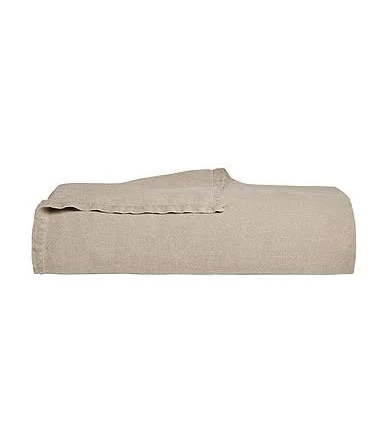
Parachute
Vintage Linen Bed Cover
- 100% linen, no reported coating
- We found no PFAS statement from the brand
- Heavy metals
3 hazards checked on this product. See all of them.
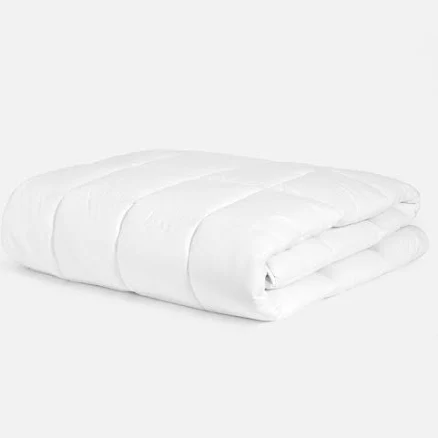
Brooklinen
Down Alternative Mattress Topper
- polyester down-alternative filling
- We found no PFAS statement from the brand
- Azo dyes and colorant migration
4 hazards checked on this product. See all of them.
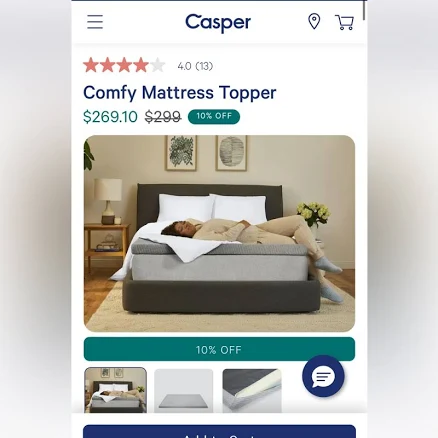
Casper
Sleep Comfy Mattress Topper
- Polyurethane foam, cotton/polyester blend cover
- We found no PFAS statement from the brand
- Volatile Organic Compound (VOC) off-gassing
3 hazards checked on this product. See all of them.
More mattress protectors grades
How we score, every product runs through the same public 0-100 rubric based on materials, coatings, brand disclosure, lab findings, and recalls. See the full methodology → Spotted a mistake? Report an error.