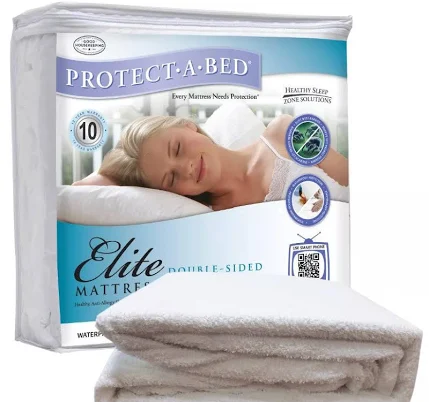
Protect-A-Bed · Mattress Protectors
PROTECT-A-BED ELITE FITTED WATERPROOF MATTRESS PROTECTOR
Waterproof mattress protectors carry PFAS risk. This brand's silence on coating chemistry is a red flag.
Protect-A-Bed Elite uses waterproof treatment to repel liquids but discloses no coating chemistry or PFAS content details. Waterproof textiles commonly rely on fluorinated compounds.
The better-graded swap
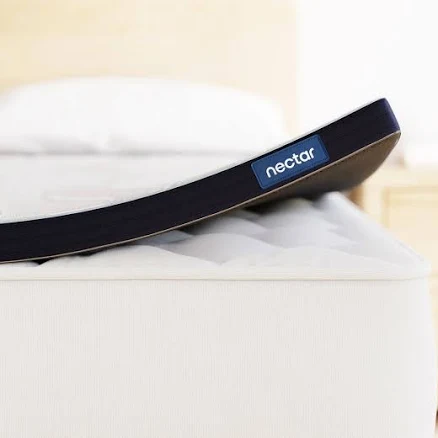
Nectar
Nectar Softer Mattress Topper
75/100 safety
Same rubric that flunked this product. The swap earned Excellent.
Still want this one anyway? Check the price on Amazon. We’d swap it.
Material
Polyurethane/polyester blend with waterproof coating (specifics undisclosed)
Brand disclosure
Brand is silent on PFAS
Lab data
No public lab test
Is PROTECT-A-BED ELITE FITTED WATERPROOF non-toxic? What it is made of
Protect-A-Bed Elite uses a polyurethane/polyester blend with an undisclosed waterproof coating. Polyurethane itself is stable when intact, but the waterproof finish almost certainly relies on fluorinated compounds (PFAS or PFOA-class chemicals) to repel liquids, a standard industry practice for this product type. The brand has not published the coating chemistry, preventing verification of alternatives like wax or silicone-based water resistance.
What’s concerning
Category baseline
The starting point for this type of product, before anything specific to this product is counted.
No PFAS disclosure
No public statement from the brand about PFAS in this product.
Waterproof / stain-resistant treatment
Water-repellent coating treatments have historically used PFAS.
PFAS
Fluorinated water-repellent finishes on polyurethane mattress protectors are industry standard and virtually universal in this category. Protect-A-Bed's refusal to disclose coating chemistry strongly suggests PFAS presence; migration into bedding and dust is possible over years of use.
Source, ATSDR ↗Polyurethane off-gassing and VOC release
New polyurethane products may emit volatile organic compounds (VOC) during the first weeks to months. Mattress protectors typically have lower off-gassing risk than furniture foam due to thin construction, but odor complaints and respiratory sensitivity in susceptible users are sporadically reported.
Microfiber shedding from coating degradation
Polyurethane coatings can flake or pill with age and laundering. Shed fibers may be inhaled or contaminate bedding; this is a wear-related hazard most pronounced in older protectors or those exposed to harsh washing.
Bacterial or mold growth if waterproofing fails or seals poorly
Defective seams or coating breakdown allow moisture penetration, creating conditions for microbial colonization between the protector and mattress. Proper installation and periodic inspection mitigate this risk significantly.
What’s reassuring
Formaldehyde / VOCs
No specific recalls or reports of formaldehyde in Protect-A-Bed Elite products. Polyester fabrics can carry formaldehyde resins, but mattress protectors typically undergo minimal chemical finishing compared to apparel. Not a primary concern for this product class unless noted otherwise.
Source, ATSDR ↗The full breakdown
The brand's record and disclosure
Protect-A-Bed has not issued public statements on PFAS use or phased reduction timelines, which is typical silence for mainstream mattress accessory brands. No major recalls related to chemical leaching or off-gassing have been documented for this product line. The brand offers no third-party certifications (like OEKO-TEX or Global Organic Textile Standard) that would independently verify absence of harmful chemicals, limiting transparency.
How it compares in its category
Most waterproof mattress protectors rely on PFAS-based or PFAS-like coatings; Protect-A-Bed Elite is not exceptional in this regard. Certified organic or PFOA-free alternatives exist but command premium pricing and narrower availability. Standard fitted protectors of this price point typically offer equivalent durability and water resistance but with equal or greater chemical uncertainty.
If you buy it
Wash before use to reduce loose fibers and surface volatiles. Avoid prolonged heat exposure (do not machine dry on high; air dry presents lower concern for material degradation). Inspect seams and backing annually for tears or pilling that could shed microfibers. Replace every 3-5 years or sooner if waterproofing visibly degrades, as older polyurethane can off-gas volatile organic compounds and lose barrier integrity. Keep room well-ventilated, especially the first week after installation.
What we don’t know
- Basis
- Model estimate, 45% confidence, not a lab result
- Lab test
- None on record for this exact product
- Brand statement
- Protect-A-Bed has made none
Formulations change between production runs, so check the current label. How we grade.
Better-graded alternatives in Mattress Protectors
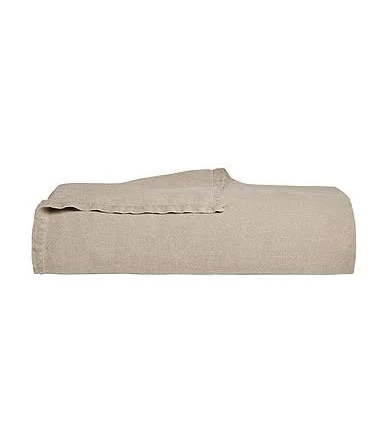
Parachute
Vintage Linen Bed Cover
- 100% linen, no reported coating
- We found no PFAS statement from the brand
- Heavy metals
3 hazards checked on this product. See all of them.
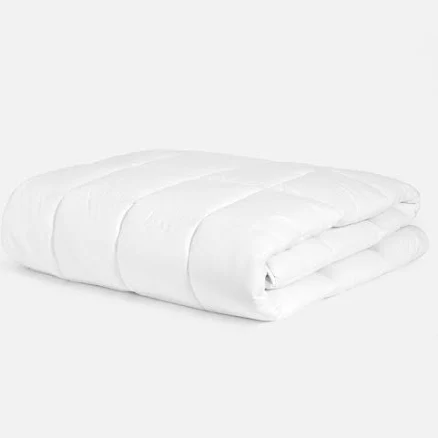
Brooklinen
Down Alternative Mattress Topper
- polyester down-alternative filling
- We found no PFAS statement from the brand
- Azo dyes and colorant migration
4 hazards checked on this product. See all of them.
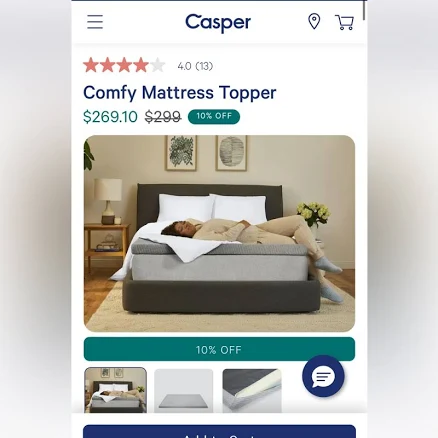
Casper
Sleep Comfy Mattress Topper
- Polyurethane foam, cotton/polyester blend cover
- We found no PFAS statement from the brand
- Volatile Organic Compound (VOC) off-gassing
3 hazards checked on this product. See all of them.
More mattress protectors grades
How we score, every product runs through the same public 0-100 rubric based on materials, coatings, brand disclosure, lab findings, and recalls. See the full methodology → Spotted a mistake? Report an error.