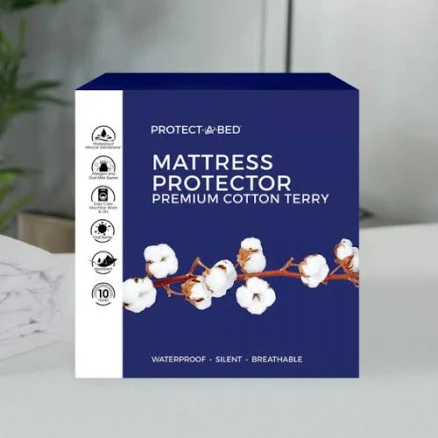
Protect-A-Bed · Mattress Protectors
Protect-A-Bed Premium Fitted Waterproof Mattress Protector
Skip unless brand discloses coating chemistry. Waterproof mattress protectors commonly use PFAS-based water-repellent coating treatments.
Protect-A-Bed Premium Fitted is marketed as waterproof but does not disclose coating chemistry. Waterproof textiles typically rely on water-repellent coating treatments that historically contained PFAS.
The better-graded swap
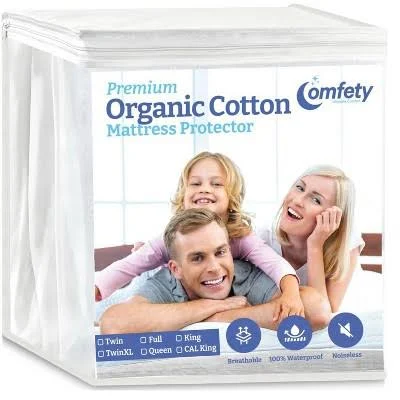
Organic Mattress Protector 2-Pack
75/100 safety
Same rubric that flunked this product. The swap earned Excellent.
Still want this one anyway? Check the price on Amazon. We’d swap it.
Material
Polyurethane or polyester blend with waterproof coating (unspecified)
Brand disclosure
Brand is silent on PFAS
Lab data
No public lab test
Is Protect-A-Bed Premium Fitted Waterproof non-toxic? What it is made of
Protect-A-Bed Premium uses a polyurethane or polyester blend with an unspecified waterproof coating. The coating is critical to function but its chemical composition is not publicly documented on available product materials. Polyurethane itself is generally stable when intact, but the waterproof treatment applied to achieve water resistance is the primary unknown, such coatings in this product category commonly rely on fluorinated compounds (PFAS) for durability, though some manufacturers use alternative chemistries. Without disclosure, the specific coating type cannot be verified from public sources.
What’s concerning
Category baseline
The starting point for this type of product, before anything specific to this product is counted.
No PFAS disclosure
No public statement from the brand about PFAS in this product.
Waterproof / stain-resistant treatment
Water-repellent coating treatments have historically used PFAS.
PFAS
Fluorinated water-repellent coating treatments are industry standard in waterproof bedding; Protect-A-Bed does not disclose coating chemistry or rule out PFAS. This is the primary chemical concern for this product.
Source, ATSDR ↗Volatile organic compounds (VOCs) from polyurethane or coating off-gassing
New polyurethane-based protectors commonly emit odors and low-level VOCs during the first few days. Risk is temporary if protector is aired out before use; no specific testing on this model is on record.
Polyurethane degradation and microparticle shedding
Over time or if subjected to heat, polyurethane can degrade and shed fine particles. This is not a known defect in Protect-A-Bed products specifically, but is a material-class concern for all polyurethane protectors.
What’s reassuring
Formaldehyde / VOCs
No formaldehyde releases have been reported for Protect-A-Bed products. Polyurethane-coated textiles do not inherently require formaldehyde, but brand does not certify against it.
Source, ATSDR ↗Skin irritation or allergic reaction to coating or latex cross-reactivity
No widespread allergic or irritation complaints are on record. Polyurethane is not latex and does not carry latex-allergy risk; however, individuals sensitive to synthetic polymers or isocyanates (used in polyurethane manufacture) may experience reactions.
The full breakdown
The brand's record and disclosure
Protect-A-Bed does not publicly disclose the chemical composition of its waterproof coating or provide certification to third-party chemical standards (such as OEKO-TEX, GOTS, or formal PFAS-free verification). The brand has not issued public statements addressing PFAS or other chemical concerns in its product line. No major recalls or safety controversies are on record for this specific model. The lack of transparency on coating chemistry is the primary disclosure gap.
How it compares in its category
Most waterproof mattress protectors in the mass market use coatings of undisclosed origin; Protect-A-Bed is typical in this regard. Premium competitors (e.g., brands with OEKO-TEX certification or explicit PFAS-free claims) tend to provide fuller chemical disclosure. Lower-cost alternatives often use similar polyurethane or polyester with untested coatings. Protectors marketed as 'PFAS-free' or 'eco-certified' remain rare in this category and typically command higher prices.
If you buy it
Air out the protector for 24-48 hours after unboxing to allow any volatile organic compounds from manufacturing to dissipate. Machine wash in cool water and avoid high heat or tumble drying, as heat stress can degrade polyurethane and release fumes or degradation byproducts. Replace if the coating flakes, peels, or no longer repels water, as exposed polyurethane may shed microparticles. Before purchase, request specific information from the manufacturer about the waterproof coating to verify PFAS status.
What we don’t know
- Basis
- Model estimate, 45% confidence, not a lab result
- Lab test
- None on record for this exact product
- Brand statement
- Protect-A-Bed has made none
Formulations change between production runs, so check the current label. How we grade.
Better-graded alternatives in Mattress Protectors
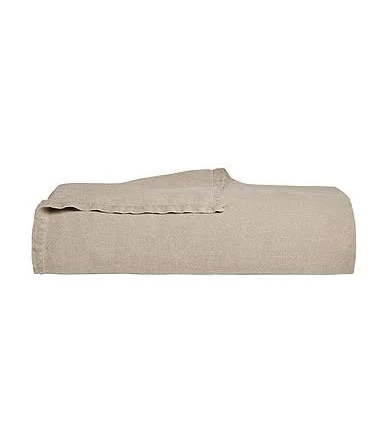
Parachute
Vintage Linen Bed Cover
- 100% linen, no reported coating
- We found no PFAS statement from the brand
- Heavy metals
3 hazards checked on this product. See all of them.
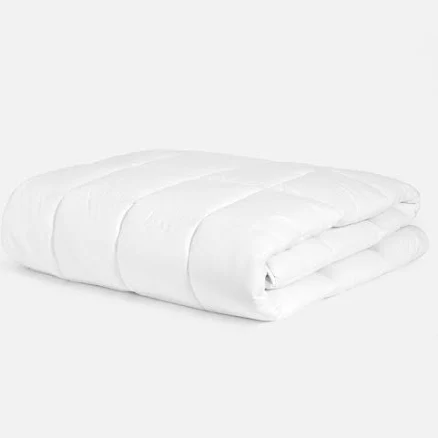
Brooklinen
Down Alternative Mattress Topper
- polyester down-alternative filling
- We found no PFAS statement from the brand
- Azo dyes and colorant migration
4 hazards checked on this product. See all of them.
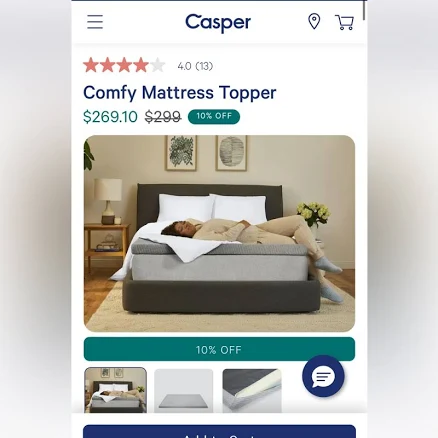
Casper
Sleep Comfy Mattress Topper
- Polyurethane foam, cotton/polyester blend cover
- We found no PFAS statement from the brand
- Volatile Organic Compound (VOC) off-gassing
3 hazards checked on this product. See all of them.
More mattress protectors grades
How we score, every product runs through the same public 0-100 rubric based on materials, coatings, brand disclosure, lab findings, and recalls. See the full methodology → Spotted a mistake? Report an error.