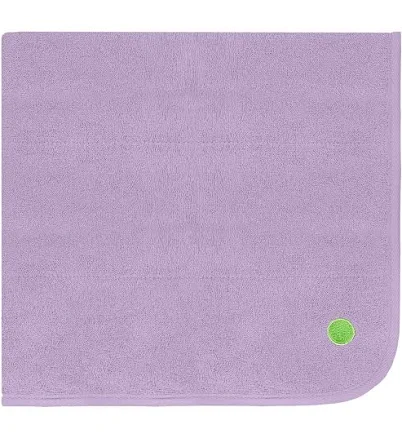
PeapodMats Waterproof Bedwetting/Incontinence Mattress Protector Pad
Skip until waterproof coating chemistry is disclosed, PFAS risk unclear.
PeapodMats' waterproof coating remains chemically unnamed; PFAS-based water-repellent coating is typical for this specialized incontinence-focused product category.
The better-graded swap
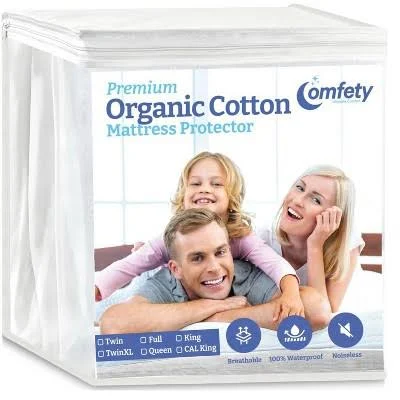
Organic Mattress Protector 2-Pack
75/100 safety
Same rubric that flunked this product. The swap earned Excellent.
Still want this one anyway? Check the price on Amazon. We’d swap it.
Material
Polyurethane or polyester fabric with waterproof coating (unspecified)
Brand disclosure
Brand is silent on PFAS
Lab data
No public lab test
Is PeapodMats Waterproof Bedwetting/Incontine non-toxic? What it is made of
PeapodMats uses a polyurethane or polyester fabric layer (Purple has not publicly specified which) bonded to a waterproof coating of undisclosed chemistry. The coating is the critical unknown, waterproof mattress protectors typically rely on either polyurethane film, PVC, or thermoplastic polyester, each with different chemical leaching and off-gassing profiles. Without disclosure of the specific coating polymer and any water-resistant treatments (which often contain PFAS), the full hazard profile cannot be assessed. The unspecified formulation is the main reason this product warrants extra scrutiny before purchase.
What’s concerning
Category baseline
The starting point for this type of product, before anything specific to this product is counted.
No PFAS disclosure
No public statement from the brand about PFAS in this product.
Waterproof / stain-resistant treatment
Water-repellent coating treatments have historically used PFAS.
Volatile Organic Compounds (VOC) and off-gassing from waterproof coating adhesives
Polyurethane- and polyester-based waterproof coatings commonly release VOCs during manufacturing cure and initial use. Purple has not disclosed off-gassing limits or aired cure time. Exposure is highest in enclosed spaces (sealed bedrooms) and for infants and young children (the primary user population for incontinence protectors).
Coating degradation and microplastic/polymer particle shedding
Waterproof coatings degrade over time from repeated washing, flexing, and friction. As the coating breaks down, it can shed microscopic polymer fragments that could be ingested if the protector contacts skin or mouth (significant risk for bed-wetting children). No testing data for this product has been published.
Chemical leaching from adhesives bonding layers
Polyurethane adhesives used to laminate waterproof coating to fabric can contain residual monomers or solvents that migrate into sweat or urine, especially during incontinence episodes. The unspecified adhesive formulation means this risk cannot be quantified for this specific product.
Skin irritation from coating contact or degradation byproducts
Users of waterproof mattress protectors occasionally report localized rashes or dermatitis where the protector contacts skin, particularly in warm, moist conditions. This may stem from coating polymer breakdown, adhesive residues, or retained sweat and bacteria in the material. Purple has not published dermatology testing for this protector.
PFAS
Waterproof coatings in this category frequently use PFAS to achieve water repellency. Purple's silence on coating chemistry and PFAS stance leaves this unresolved; the product's poor PFAS grade (30/100) reflects this uncertainty.
Source, ATSDR ↗The full breakdown
The brand's record and disclosure
Purple is known for mattress innovation but has maintained limited public transparency on chemical composition of ancillary products like protectors. No published safety certifications (such as OEKO-TEX, GreenGuard, or CERTIPUR-US) have been advertised for the PeapodMats line. Purple's silence on PFAS use in waterproof coatings is consistent with many mattress accessory brands that do not volunteer this information. The brand's lack of proactive disclosure about coating chemistry is a red flag in an industry where PFAS contamination in water-resistant textiles is common.
How it compares in its category
Mattress protectors divide into two groups, those using certified low-VOC polyurethane (more transparent brands disclose this) and those with opaque waterproof coatings. PeapodMats falls into the latter, less transparent category. Competitors such as Bed Bug Plus and some hospital-grade options publish material safety data or third-party certifications. Purple's protector sits in the mid-market without the transparency benchmarks that justify premium pricing in this category; similar-priced alternatives often provide clearer chemical disclosure.
If you buy it
Air the protector outdoors for 48 hours before first use to off-gas any volatile organic compounds from the coating and adhesives. Wash with cool to warm water (not hot; check label for exact temp limit) and mild detergent only; high heat can degrade waterproof coatings and potentially trigger leaching. Inspect for delamination (coating separating from fabric) every 6 months; replacement is warranted if separation occurs. Never dry-clean or machine-dry on high heat. Request material safety data sheet from Purple customer service if considering purchase; lack of response is additional reason to reconsider.
What we don’t know
- Basis
- Model estimate, 35% confidence, not a lab result
- Lab test
- None on record for this exact product
- Brand statement
- Purple has made none
Formulations change between production runs, so check the current label. How we grade.
Better-graded alternatives in Mattress Protectors
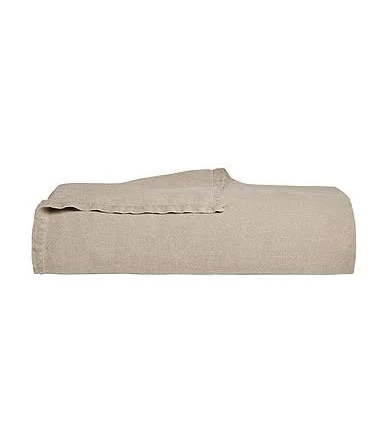
Parachute
Vintage Linen Bed Cover
- 100% linen, no reported coating
- We found no PFAS statement from the brand
- Heavy metals
3 hazards checked on this product. See all of them.
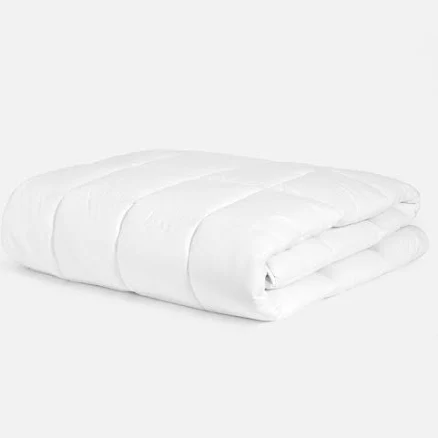
Brooklinen
Down Alternative Mattress Topper
- polyester down-alternative filling
- We found no PFAS statement from the brand
- Azo dyes and colorant migration
4 hazards checked on this product. See all of them.
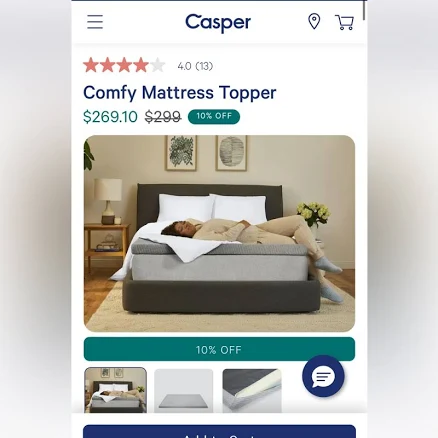
Casper
Sleep Comfy Mattress Topper
- Polyurethane foam, cotton/polyester blend cover
- We found no PFAS statement from the brand
- Volatile Organic Compound (VOC) off-gassing
3 hazards checked on this product. See all of them.
More mattress protectors grades
How we score, every product runs through the same public 0-100 rubric based on materials, coatings, brand disclosure, lab findings, and recalls. See the full methodology → Spotted a mistake? Report an error.