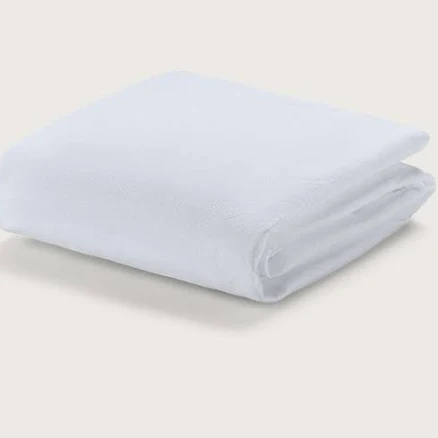
Purple Waterproof Mattress Protector
Skip unless Purple discloses waterproof treatment chemistry; PFAS risk unclear.
Purple's waterproof backing remains chemically secret, typical of PFAS-laden textiles in this category, with no brand clarification or certification.
The better-graded swap
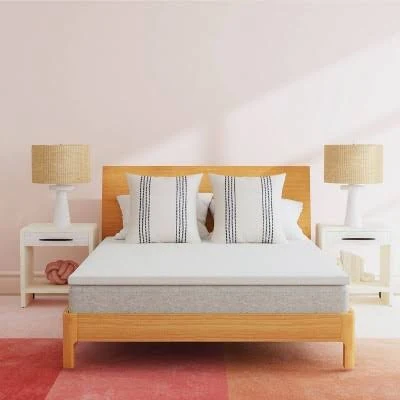
Casper
Casper Sleep Essential Mattress Topper
75/100 safety
Same rubric that flunked this product. The swap earned Excellent.
Still want this one anyway? Check the price on Amazon. We’d swap it.
Material
Polyester/polyurethane with proprietary waterproof backing (unspecified)
Brand disclosure
Brand is silent on PFAS
Lab data
No public lab test
Is Purple Waterproof Mattress Protector non-toxic? What it is made of
Purple's protector uses a polyester face fabric bonded to a polyurethane (PU) waterproof backing. The backing chemistry is proprietary and undisclosed, which is the core issue, waterproof coatings on textiles historically rely on PFAS (forever chemicals) or other fluorinated compounds to repel moisture at the molecular level. Polyester itself is stable and low-toxicity when new, but the unknown backing treatment introduces uncertainty around what's actually against your skin and mattress.
What’s concerning
Category baseline
The starting point for this type of product, before anything specific to this product is counted.
No PFAS disclosure
No public statement from the brand about PFAS in this product.
Waterproof / stain-resistant treatment
Water-repellent coating treatments have historically used PFAS.
Polyurethane (PU) coating degradation and off-gassing
PU backings are durable but can crack, peel, or off-gas fumes (ammonia, isocyanates) if exposed to high heat, humidity swings, or prolonged moisture. This product does not appear to have undergone public VOC testing; degradation risk is low during normal use but rises with age or heat exposure.
PFAS
Although PFAS is graded separately, waterproof finishes can use other hazardous chemicals (e.g., siloxanes, other fluorinated compounds, or volatile solvents). Purple's refusal to specify the backing chemistry means microplastics shedding during washing and chemical leaching during sweat/moisture contact cannot be ruled out.
Source, ATSDR ↗Microplastics
Polyester textiles shed microplastics with washing and wear. A mattress protector is not in direct skin contact but does shed fibers that can become airborne or accumulate in bedding. Purple has not published data on microfiber shedding rate or testing standards for this product.
Source, EPA ↗Mold and bacterial growth if moisture trapped between protector and mattress
Waterproof backing can trap moisture if the mattress underneath is not well-ventilated or if spills soak the top side. Prolonged dampness between protector and mattress may promote mold or mildew, especially in humid climates. Proper drying and ventilation after washing is essential.
What’s reassuring
Formaldehyde / VOCs
Polyester fabrics sometimes contain formaldehyde-based dyes or anti-wrinkle finishes. No public recall or testing reports link Purple's protector to formaldehyde, and the lower-risk finish process typical for protectors suggests this is unlikely, but the company does not confirm avoidance.
Source, ATSDR ↗The full breakdown
The brand's record and disclosure
Purple has not publicly disclosed the specific waterproof treatment used in this protector, nor has the brand published PFAS testing, water-repellent chemistry details, or certifications like OEKO-TEX or Bluesign that would rule out harmful chemicals. The company markets its mattresses aggressively as innovation-focused but remains silent on chemical safety transparency for bed accessories. This silence is notable given competitor brands (e.g.some Naturepedic or Avocado variants now openly state they use waterproofing without added PFAS or natural wax-based alternatives.
How it compares in its category
Mattress protectors occupy a gray zone, most major brands use similar PU or polyurethane-acrylic blends without full disclosure. Purple's lack of transparency is not unique but also not a selling point against competitors who do disclose. Genuinely PFAS-free options exist (e.g., wool-blend or certified organic cotton protectors with wax coatings), though they cost more and may sacrifice some waterproofing performance. Purple's protector is mid-market on both price and openness.
If you buy it
Wash before first use in cool water to reduce any finish residues. Avoid high heat drying (use low/air dry) as PU can degrade and potentially off-gas if overheated. Inspect annually for pilling, coating separation, or odor changes; replace if backing peels or cracks. Do not iron. Store dry; mold can develop on damp PU if stored in humid conditions for weeks.
What we don’t know
- Basis
- Model estimate, 35% confidence, not a lab result
- Lab test
- None on record for this exact product
- Brand statement
- Purple has made none
Formulations change between production runs, so check the current label. How we grade.
Better-graded alternatives in Mattress Protectors
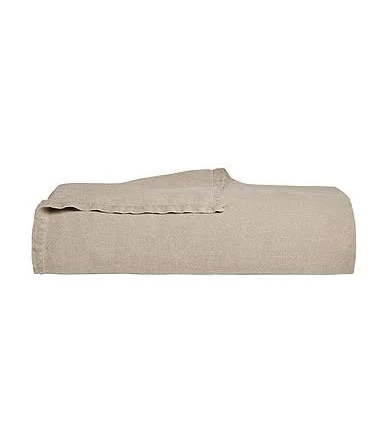
Parachute
Vintage Linen Bed Cover
- 100% linen, no reported coating
- We found no PFAS statement from the brand
- Heavy metals
3 hazards checked on this product. See all of them.
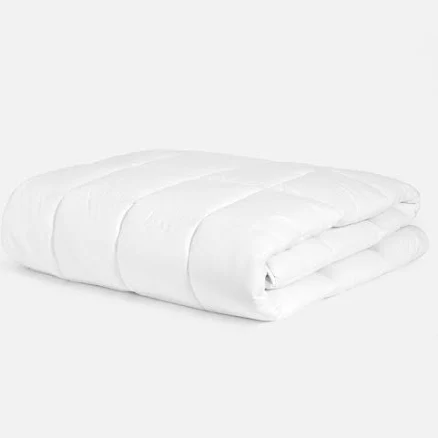
Brooklinen
Down Alternative Mattress Topper
- polyester down-alternative filling
- We found no PFAS statement from the brand
- Azo dyes and colorant migration
4 hazards checked on this product. See all of them.
Casper
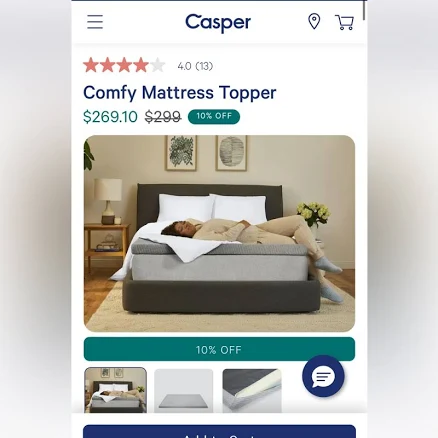
Sleep Comfy Mattress Topper
- Polyurethane foam, cotton/polyester blend cover
- We found no PFAS statement from the brand
- Volatile Organic Compound (VOC) off-gassing
3 hazards checked on this product. See all of them.
More mattress protectors grades
How we score, every product runs through the same public 0-100 rubric based on materials, coatings, brand disclosure, lab findings, and recalls. See the full methodology → Spotted a mistake? Report an error.