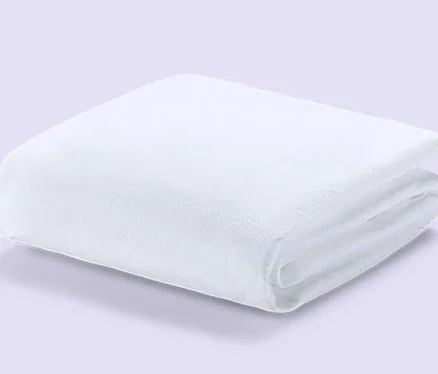
Purple Waterproof Mattress Protector in White by Purple Innovation
Skip until Purple discloses waterproof coating chemistry, water-repellent coating treatments often contain PFAS.
Purple markets waterproofing without identifying the polymer or coating, leaving PFAS presence unconfirmed despite its typical role in such treatments.
The better-graded swap
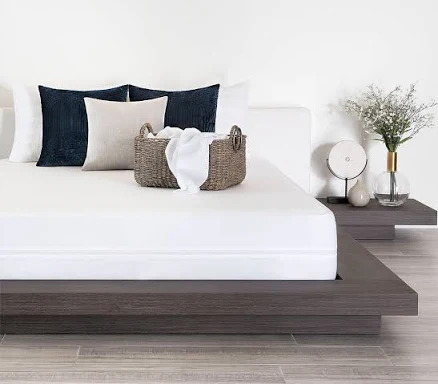
Brooklyn Bedding
Brooklyn Bedding Mattress Encasement, Twin
75/100 safety
Same rubric that flunked this product. The swap earned Excellent.
Still want this one anyway? Check the price on Amazon. We’d swap it.
Material
Fabric with waterproof coating (unspecified polymer)
Brand disclosure
Brand is silent on PFAS
Lab data
No public lab test
Is Purple Waterproof Mattress Protector non-toxic? What it is made of
Purple's mattress protector uses a fabric base (likely polyester or polyester-cotton blend) with an undisclosed waterproof polymer coating. Waterproof coatings on textiles are commonly applied via water-repellent coating (water-repellent coating) treatments or polyurethane/PVC laminates. The specific polymer chemistry is not published by Purple, making it impossible to rule out PFAS, phthalates, or other migrating substances.
What’s concerning
Category baseline
The starting point for this type of product, before anything specific to this product is counted.
No PFAS disclosure
No public statement from the brand about PFAS in this product.
Waterproof / stain-resistant treatment
Water-repellent coating treatments have historically used PFAS.
PFAS
The polymer used for waterproofing is not specified. If polyurethane-based, it may off-gas volatile organic compounds (VOCs) when new; if PVC, it may contain phthalate plasticizers or other additives. Polyester blends themselves carry minimal risk unless the coating contains migrating substances.
Source, ATSDR ↗Coating degradation and microplastic shedding
Waterproof coatings degrade with washing and heat exposure. Mechanical failure can release microscopic coating particles; if the polymer is plastic-based, this constitutes microplastic exposure. Purple does not disclose coating durability specifications or shed-rate testing.
Thermal off-gassing on first use
Consumer reports and industry data show new waterproof textiles often emit temporary odors in the first 24-72 hours. This is typical polymer volatilization and usually resolves; it does not indicate toxicity but reflects incomplete curing.
What’s reassuring
Formaldehyde / VOCs
No public data on formaldehyde use in Purple's protector. Textiles sometimes use formaldehyde-releasing resins for wrinkle resistance or crease-setting, but mattress protectors typically do not require these finishes. Purple has not reported formaldehyde testing results.
Source, ATSDR ↗Azo dyes and colorfast migration
The white color is unlikely to use problematic azo dyes (safety-critical for dark colors). No specific complaints of dye bleeding or skin reactions from this protector are documented.
The full breakdown
The brand's record and disclosure
Purple has not publicly disclosed the chemistry of its waterproof coatings or obtained third-party certifications (OEKO-TEX, GOTS, or ZDHC) for chemical safety on textiles. The company's silence on PFAS content in waterproofing is notable given widespread industry adoption of fluorinated water-repellent coating treatments. No recalls or health complaints specific to this protector are on public record, but lack of disclosure is a red flag for chemical transparency.
How it compares in its category
Most budget mattress protectors use non-disclosed coatings; premium alternatives (e.g.Naturepedic, Savvy Rest, and other brands explicitly state they use PFAS-free waterproofing or use mechanical weaves instead of chemical treatments. Purple's approach mirrors mainstream brands, functional waterproofing with opaque ingredient disclosure. If you prioritize known-safe chemistry, alternatives with certified PFAS-free or GOTS labels offer stronger assurance.
If you buy it
Machine wash in cold water and tumble dry on low heat to minimize any potential migration of coatings. Do not bleach or dry clean. Replace every 5-7 years or if waterproofing visibly degrades (water pooling instead of beading). Air out the protector before first use for 24-48 hours to allow volatile off-gassing. Keep away from prolonged heat sources (heated mattress pads above 130F) to reduce coating breakdown.
What we don’t know
- Basis
- Model estimate, 35% confidence, not a lab result
- Lab test
- None on record for this exact product
- Brand statement
- Purple has made none
Formulations change between production runs, so check the current label. How we grade.
Better-graded alternatives in Mattress Protectors
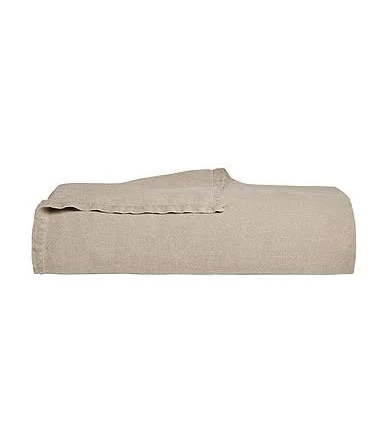
Parachute
Vintage Linen Bed Cover
- 100% linen, no reported coating
- We found no PFAS statement from the brand
- Heavy metals
3 hazards checked on this product. See all of them.
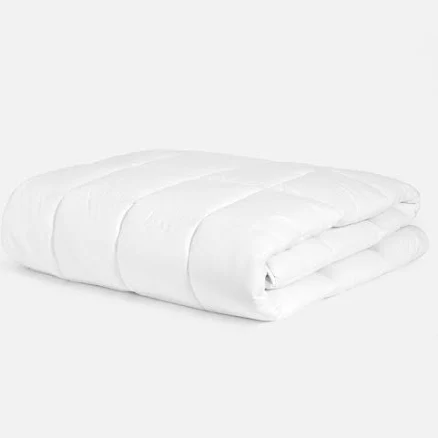
Brooklinen
Down Alternative Mattress Topper
- polyester down-alternative filling
- We found no PFAS statement from the brand
- Azo dyes and colorant migration
4 hazards checked on this product. See all of them.
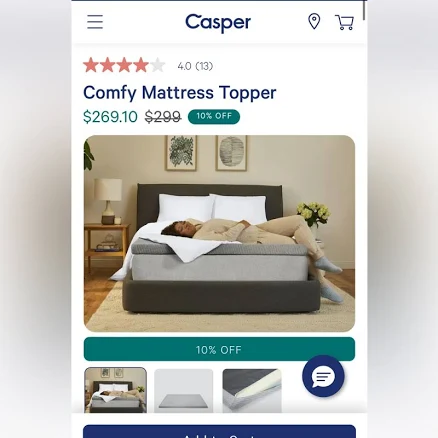
Casper
Sleep Comfy Mattress Topper
- Polyurethane foam, cotton/polyester blend cover
- We found no PFAS statement from the brand
- Volatile Organic Compound (VOC) off-gassing
3 hazards checked on this product. See all of them.
More mattress protectors grades
How we score, every product runs through the same public 0-100 rubric based on materials, coatings, brand disclosure, lab findings, and recalls. See the full methodology → Spotted a mistake? Report an error.