Quiksilver · Waterproof Sports Gear
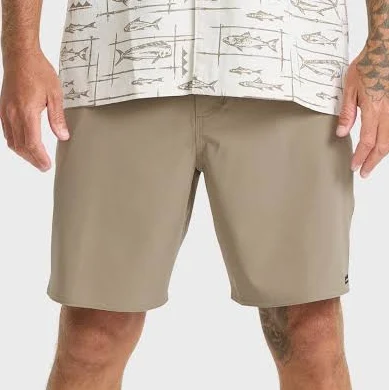
Quiksilver Men's Waterman Strands Regular-Fit Shorts
Wait for brand to disclose water-repellent coating chemistry or switch to PFAS-free.
Quiksilver offers no public statement on water-repellent coating chemistry in these shorts. Waterman apparel typically uses water-repellent coating finishes, often PFAS-based.
Still want this one anyway? Check the price on Amazon. We’d swap it.
Material
Polyester blend with water-repellent coating treatment
Lab data
No public lab test
You may also be interested in
Top-graded picks in the categories readers replace first, every one scored on the same rubric.

- polypropylene filter housing, carbon/sediment cartridge
- We found no PFAS statement from the brand
- Bacterial growth in spent cartridges
3 hazards checked on this product, all on its full breakdown.

Aquasure
Premier Series 75 GPD Under Sink Reverse Osmosis Water Filtration System
- RO membrane, carbon filters, stainless steel housing
- We found no PFAS statement from the brand
- Bacterial and microbial growth in housing and filters
4 hazards checked on this product, all on its full breakdown.

Avocado
Vegan Mattress
- organic cotton, natural latex, coconut coir, recycled steel coils
- The brand calls it PFAS-free, which we have not verified
- Heavy metals
2 hazards checked on this product, all on its full breakdown.
What Quiksilver Men's Waterman Strands Shorts is made of, ingredients and materials
These shorts are polyester-blend fabric treated with a water-repellent coating (water-repellent coating) finish. Polyester itself is stable and does not leach chemicals into skin under normal wear. However, water-repellent coating treatments historically relied on fluorinated compounds (PFAS-class chemicals) to repel water; modern alternatives exist but Quiksilver has not publicly stated which chemistry they use for this product. The blend likely includes nylon or elastane for stretch, which are chemically inert in finished form.
What’s concerning
Category baseline
The starting point for this type of product, before anything specific to this product is counted.
No PFAS disclosure
No public statement from the brand about PFAS in this product.
Waterproof / stain-resistant treatment
Water-repellent coating treatments have historically used PFAS.
PFAS
Undisclosed water-repellent coating chemistry on polyester-blend shorts; fluorinated compounds remain common in water-resistant apparel, though non-fluorinated alternatives are now available. Brand silence prevents certainty.
Source, ATSDR ↗What’s reassuring
Formaldehyde / VOCs
No public record of formaldehyde-based resins in Quiksilver's standard athletic shorts. Polyester and nylon do not typically require formaldehyde fixation; risk is low for this product type.
Source, ATSDR ↗Heavy metals
No documented incidents or warnings for Quiksilver apparel on prohibited azo-dye or cadmium-pigment grounds. Standard polyester dyeing does not inherently pose this hazard if suppliers comply with textile import rules.
Source, FDA ↗Antimony catalyst residues in polyester
Antimony is used as a polyesterization catalyst and can remain in fabric at trace levels (typically under regulatory concern). Skin contact with finished shorts poses negligible risk; no evidence of elevated antimony in Quiksilver products.
Flame retardants
Casual water shorts are not subject to flame-retardant regulations and do not typically contain added flame retardants. Polyester is naturally flame-resistant and does not require chemical enhancement for this product category.
Source, EPA ↗How is this PFAS grade calculated?
The brand's record and disclosure
Quiksilver has not published a comprehensive chemical disclosure policy or PFAS elimination timeline as of available public records. The brand has not been linked to major textile chemical scandals, but its silence on water-repellent coating sourcing is the critical gap for water-resistant apparel. No certifications (Bluesign, GOTS, or similar) are commonly advertised for this line, suggesting minimal third-party chemical oversight in production.
How it compares in its category
Water-resistant shorts in this price tier commonly use legacy fluorinated water-repellent coating treatments; Quiksilver is typical rather than leading or lagging. Premium competitors (e.g., Patagonia) now disclose PFAS-free alternatives; budget brands often remain silent. Untreated polyester shorts exist but sacrifice water-repellency, a core feature for water sports apparel.
If you buy it
Wash separately on cold cycles initially, as water-repellent coating finishes can shed particles in early use. Avoid high heat drying, which degrades polyester and can concentrate any residual treatment chemicals. Replace shorts when seams fray or elastic degrades (typically 2-3 years with regular use), not when water-repellency fades, as water-repellent coating loss does not create hazard. Contact Quiksilver directly to request water-repellent coating chemistry transparency before purchase if PFAS avoidance is a priority.
What is not known about PFAS in this product?
- Basis
- Model estimate, 42% confidence, not a lab result
- Lab test
- None on record for this exact product
- Brand statement
- Quiksilver has made a specific claim
Formulations change between production runs, so check the current label. How we grade.
What are the PFAS-free alternatives to Quiksilver Men's Waterman Strands Regular-Fit Shorts?
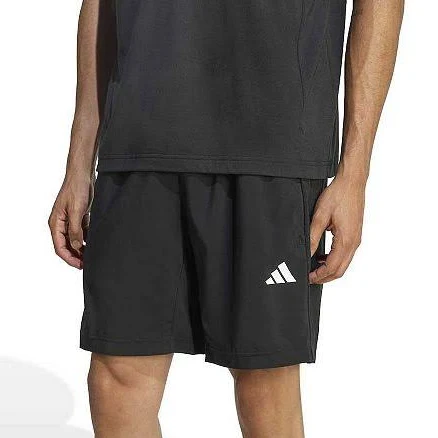
- Woven polyester/nylon blend, no waterproof or stain-resistant treatment specified
- Heavy metals
3 hazards checked on this product, all on its full breakdown.
Find an alternative on Amazon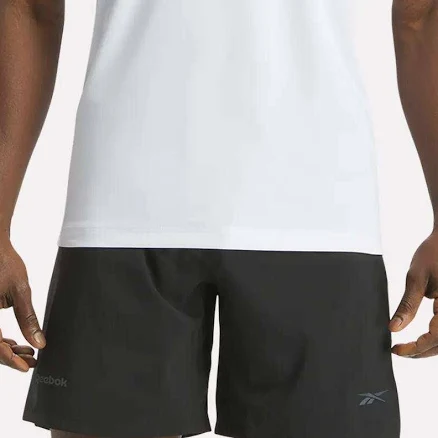
- Polyester mesh and nylon blend, standard athletic construction
- Formaldehyde / VOCs
3 hazards checked on this product, all on its full breakdown.
Find an alternative on Amazon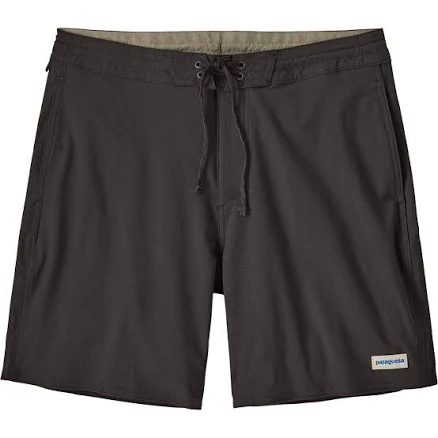
- Polyester blend with PFAS-free water-repellent coating finish
- The brand calls it PFAS-free, which we have not verified
- Fragrance or dye allergen sensitivity
2 hazards checked on this product, all on its full breakdown.
Find an alternative on AmazonMore waterproof sports gear grades
How we score, every product runs through the same public 0-100 rubric based on materials, coatings, brand disclosure, lab findings, and recalls. See the full methodology → Spotted a mistake? Report an error.