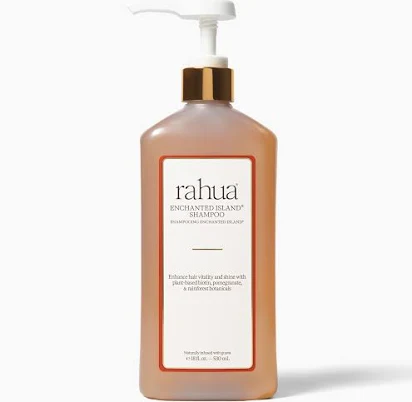
Enchanted Island Shampoo Strengthen & Nourish Damaged Hair 18 oz
Lower PFAS concern, liquid cosmetic with no known fluorochemical triggers.
Liquid hair care without waterproofing, nonstick, or stain-resistance claims rarely contains PFAS. The brand doesn't publicly disclose ingredient sourcing or PFAS-free status.
We flunk more products than we pass. This one earned its grade. How we grade
Material
aqueous shampoo base, plant-derived botanical extracts
Brand disclosure
Brand is silent on PFAS
Lab data
No public lab test
You may also be interested in
Top-graded picks in the categories readers replace first, every one scored on the same rubric.

- polypropylene filter housing, carbon/sediment cartridge
- We found no PFAS statement from the brand
- Bacterial growth in spent cartridges
3 hazards checked on this product, all on its full breakdown.

Aquasure
Premier Series 75 GPD Under Sink Reverse Osmosis Water Filtration System
- RO membrane, carbon filters, stainless steel housing
- We found no PFAS statement from the brand
- Bacterial and microbial growth in housing and filters
4 hazards checked on this product, all on its full breakdown.

Avocado
Vegan Mattress
- organic cotton, natural latex, coconut coir, recycled steel coils
- The brand calls it PFAS-free, which we have not verified
- Heavy metals
2 hazards checked on this product, all on its full breakdown.
What Enchanted Island Shampoo Damaged Hair is made of, ingredients and materials
Enchanted Island is an aqueous shampoo base formulated with plant-derived botanical extracts, primarily from Rahua oil (from the Ecuadorian Amazon) and other botanical ingredients. Liquid cosmetics like this carry inherently lower volatility and leaching risks than powders or ceramics because their aqueous matrix prevents concentrated chemical migration. The botanical extract composition means synthetic fragrance load is likely moderate, though exact fragrance allergen disclosure is not publicly detailed by the brand.
What’s concerning
Category baseline
The starting point for this type of product, before anything specific to this product is counted.
No PFAS disclosure
No public statement from the brand about PFAS in this product.
Formaldehyde / VOCs
Aqueous cosmetics sometimes contain formaldehyde-releasing preservatives (e.g., imidazolidinyl urea, DMDM hydantoin); Rahua does not publicly list preservative systems for this product, so presence cannot be ruled out based on available information.
Source, ATSDR ↗Fragrance allergens and sensitizers
The product contains fragrance (listed generically on packaging); botanical extracts and fragrance compounds can trigger contact dermatitis, allergic rhinitis, or respiratory sensitization in susceptible consumers, though severity varies by individual.
Undisclosed botanical allergens
Rahua oil and other plant extracts are not universally hypoallergenic; individuals with tree nut, seed oil, or botanical sensitivities may react; brand provides limited allergen cross-reactivity warnings.
What’s reassuring
Base material not linked to PFAS
The main material recorded for this product is not one associated with PFAS.
1,4-dioxane contamination
No public testing or recalls document 1,4-dioxane in this shampoo; risk is low for plant-derived formulations, but brand does not confirm absence or test for this contaminant.
Microplastic content
Liquid shampoos typically do not contain microbeads or microplastics; no evidence of microplastic inclusion in this product exists in public sources.
How is this PFAS grade calculated?
The brand's record and disclosure
Rahua does not publicly disclose full ingredient lists or safety certifications on their website or product labeling in a way accessible to third-party verification. The brand markets itself as plant-derived and sustainable but offers no third-party dermatological testing claims or allergen warnings specific to this shampoo. No significant safety recalls or formal controversies involving this product have been published by regulatory agencies or consumer safety databases.
How it compares in its category
Premium plant-based shampoos like Rahua occupy a middle tier in terms of transparency; they typically avoid synthetic sulfates and silicones but do not always exceed disclosure standards of mass-market alternatives. Compared to drugstore shampoos, this product's botanical ingredient focus reduces synthetic dye and preservative load, but does not guarantee lower formaldehyde releaser content or absence of legacy allergens. Price point and marketing positioning place it alongside brands like Briogeo and Bumble and Bumble, which similarly lack comprehensive safety datasheets.
If you buy it
Store in a cool, dry place away from direct sunlight to preserve botanical extract stability and prevent microbial growth in the opened bottle. Use within 12 months of opening; aqueous formulations are more prone to bacterial colonization than anhydrous products if contaminated. If you experience scalp irritation, redness, or allergic reaction (particularly to fragrance or plant extracts), discontinue use and consult a dermatologist; botanical extracts can trigger contact dermatitis in sensitive individuals. Rinse thoroughly; residue buildup is not a chemical hazard but may necessitate periodic clarifying treatments.
What is not known about PFAS in this product?
- Basis
- Model estimate, 78% confidence, not a lab result
- Lab test
- None on record for this exact product
- Brand statement
- Rahua has made none
Formulations change between production runs, so check the current label. How we grade.
More shampoo grades
How we score, every product runs through the same public 0-100 rubric based on materials, coatings, brand disclosure, lab findings, and recalls. See the full methodology → Spotted a mistake? Report an error.