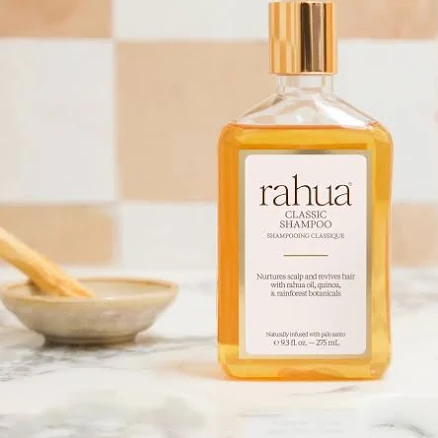
Rahua Classic Shampoo
Lower concern; typical rinse-off shampoo with no known PFAS-risk ingredients.
This rinse-off cosmetic has no inherent need for PFAS-based water-repellency, surfactant treatments, or coatings. The brand doesn't publicly claim PFAS-free status or hold third-party verification.
We flunk more products than we pass. This one earned its grade. How we grade
Material
Water-based shampoo (surfactants, botanical extracts)
Brand disclosure
Brand is silent on PFAS
Lab data
No public lab test
You may also be interested in
Top-graded picks in the categories readers replace first, every one scored on the same rubric.

- polypropylene filter housing, carbon/sediment cartridge
- We found no PFAS statement from the brand
- Bacterial growth in spent cartridges
3 hazards checked on this product, all on its full breakdown.

Aquasure
Premier Series 75 GPD Under Sink Reverse Osmosis Water Filtration System
- RO membrane, carbon filters, stainless steel housing
- We found no PFAS statement from the brand
- Bacterial and microbial growth in housing and filters
4 hazards checked on this product, all on its full breakdown.

Avocado
Vegan Mattress
- organic cotton, natural latex, coconut coir, recycled steel coils
- The brand calls it PFAS-free, which we have not verified
- Heavy metals
2 hazards checked on this product, all on its full breakdown.
What Rahua Classic Shampoo is made of, ingredients and materials
Rahua Classic Shampoo is a water-based surfactant system formulated with botanical extracts, positioned as a plant-derived alternative to synthetic detergents. The primary concern in rinse-off shampoos is surfactant harshness and potential irritants in the extract blend, rather than systemic absorption, since the product is diluted and washed away. No Teflon-type coating, silicones, or known prohibited colorants have been identified in public formulations. The brand does not publish a detailed ingredient deck or third-party testing results, limiting independent hazard assessment.
What’s concerning
Category baseline
The starting point for this type of product, before anything specific to this product is counted.
No PFAS disclosure
No public statement from the brand about PFAS in this product.
Fragrance allergens and botanical extract sensitizers
Rahua emphasizes Amazonian plant extracts and does not disclose fragrance composition (synthetic vs. essential oil). Botanical shampoos carry documented risk of allergic contact dermatitis, particularly in individuals with sensitive scalps or known tree-nut allergies.
Scalp irritation from surfactant strength
Even plant-based surfactants can disrupt scalp barrier function with frequent use or in individuals with compromised skin. Rahua's botanical positioning may imply gentleness but does not guarantee lower irritancy than conventional brands.
What’s reassuring
Base material not linked to PFAS
The main material recorded for this product is not one associated with PFAS.
1,4-dioxane (surfactant byproduct)
No independent testing of Rahua Classic Shampoo for 1,4-dioxane has been published. The contaminant is a known impurity in ethoxylated surfactants but is not specific to this brand and is present in most rinse-off shampoos at trace levels below safety thresholds.
Heavy metals
No testing data is publicly available for lead, cadmium, or arsenic in Rahua extracts or colorants. Botanical ingredients sourced from regions with soil contamination pose a theoretical risk, but Rahua does not disclose sourcing verification or metal testing.
Source, FDA ↗Formaldehyde / VOCs
Rahua does not publish a preservative system. Common formaldehyde-releasing agents (DMDM hydantoin, imidazolidinyl urea) are not known to be present, but the brand provides no ingredient list to verify.
Source, ATSDR ↗How is this PFAS grade calculated?
The brand's record and disclosure
Rahua is a luxury plant-based personal care brand with emphasis on Amazonian botanical sourcing but minimal transparency on manufacturing standards, ingredient safety testing, or supply-chain verification. The company does not publish safety data sheets, allergen statements, or heavy-metal testing results for its products. No major recalls or regulatory violations are on record for Rahua products. The brand's PFAS stance is unstated, consistent with most mainstream shampoo manufacturers.
How it compares in its category
Premium botanical shampoos like Rahua occupy the middle ground between conventional sulfate-free brands (which often disclose ingredients more openly) and ultra-luxury lines (which rarely publish full safety data). Rahua's lack of transparency is typical for its price tier but below standards set by certified organic or Clean Beauty certified competitors. Rinse-off shampoos carry lower systemic hazard burden than leave-on products, regardless of brand.
If you buy it
Use as directed and discontinue if scalp or skin irritation develops; botanical extracts can trigger allergic contact dermatitis in sensitive individuals. Store in a cool, dry place away from direct sunlight to preserve extract stability. The product has a typical 12-24 month shelf life once opened. If you have a history of fragrance or botanical sensitivities, request a sample or patch test before committing to a full-size bottle.
What is not known about PFAS in this product?
- Basis
- Model estimate, 78% confidence, not a lab result
- Lab test
- None on record for this exact product
- Brand statement
- Rahua has made none
Formulations change between production runs, so check the current label. How we grade.
More shampoo grades
How we score, every product runs through the same public 0-100 rubric based on materials, coatings, brand disclosure, lab findings, and recalls. See the full methodology → Spotted a mistake? Report an error.