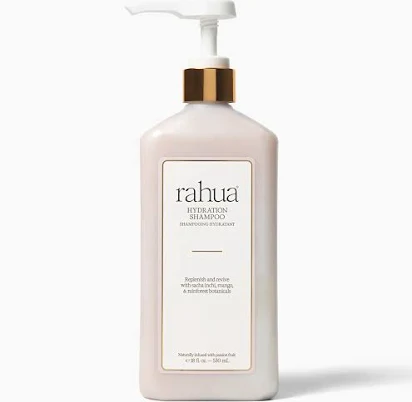
Rahua Hydration Shampoo
Lower-concern choice; liquid cosmetics rarely need PFAS, but no public disclosure.
Liquid hair care without waterproof or stain-resistant claims typically poses lower PFAS risk than treated textiles or coated cookware. The brand doesn't disclose ingredient lists or PFAS testing.
We flunk more products than we pass. This one earned its grade. How we grade
Material
water-based shampoo formula (primary ingredients)
Brand disclosure
Brand is silent on PFAS
Lab data
No public lab test
You may also be interested in
Top-graded picks in the categories readers replace first, every one scored on the same rubric.

- polypropylene filter housing, carbon/sediment cartridge
- We found no PFAS statement from the brand
- Bacterial growth in spent cartridges
3 hazards checked on this product, all on its full breakdown.

Aquasure
Premier Series 75 GPD Under Sink Reverse Osmosis Water Filtration System
- RO membrane, carbon filters, stainless steel housing
- We found no PFAS statement from the brand
- Bacterial and microbial growth in housing and filters
4 hazards checked on this product, all on its full breakdown.

Avocado
Vegan Mattress
- organic cotton, natural latex, coconut coir, recycled steel coils
- The brand calls it PFAS-free, which we have not verified
- Heavy metals
2 hazards checked on this product, all on its full breakdown.
What Rahua Hydration Shampoo is made of, ingredients and materials
Rahua Hydration Shampoo is a water-based liquid formula, a matrix with lower concern because liquids do not require Teflon-type coating or other persistent chemical stabilizers. The brand markets itself as plant-derived and sulfate-free, positioning it as a gentler alternative to conventional shampoos. Liquid formulations eliminate risks from ceramic-glaze lead, talc particulates, or flame-retardant coatings that affect solid products. The actual full ingredient list is not publicly disclosed on Rahua's website or standard retail listings, which limits independent hazard assessment.
What’s concerning
Category baseline
The starting point for this type of product, before anything specific to this product is counted.
No PFAS disclosure
No public statement from the brand about PFAS in this product.
Fragrance allergens and undisclosed botanicals
Plant-based shampoos commonly include essential oils and botanical extracts that can cause contact sensitization or allergic reactions. Rahua does not publicly list specific fragrance components or botanical species, making it impossible to identify known allergens like limonene or linalool.
Formaldehyde / VOCs
Water-based liquid cosmetics require preservatives to prevent bacterial and fungal growth. Common choices include DMDM hydantoin and imidazolidinyl urea, which release formaldehyde over time. No public statement from Rahua confirms avoidance of these preservative classes.
Source, ATSDR ↗Skin irritation from sulfate alternatives
Plant-based and sulfate-free shampoos often use alternative surfactants (e.g., coco-glucosides, decyl glucoside) that can still irritate sensitive scalp or cause dryness if concentration is high. Individual tolerance varies; botanical shampoos are not universally gentler than conventional ones.
What’s reassuring
Base material not linked to PFAS
The main material recorded for this product is not one associated with PFAS.
Heavy metals
Plant-derived colorants can accumulate cadmium, lead, or arsenic depending on soil source. No recalls or test failures are on record for Rahua shampoos; liquid formulations also minimize topical metal transfer risk compared to powders or clays.
Source, FDA ↗1,4-dioxane contamination
This byproduct of surfactant synthesis can occur in shampoos containing polyethylene glycol (PEG) or ceteareth ingredients. Rahua's marketing emphasizes plant-derived formulas, suggesting lower PEG reliance, but full ingredient confirmation is unavailable.
How is this PFAS grade calculated?
The brand's record and disclosure
Rahua is a luxury botanical shampoo brand with no public record of product recalls, safety violations, or regulatory action. However, the brand does not disclose complete ingredient lists or undergo third-party safety certification (no EWG Verified, Leaping Bunny, or similar seals found on record). Rahua's parent company and manufacturing standards are not transparently documented. The silence on PFAS and other chemical hazards is typical of premium beauty brands but limits consumer ability to verify claims.
How it compares in its category
Rahua positions itself above mass-market drugstore shampoos, which often contain silicones, parabens, and sulfates. In the premium plant-based category, it competes with similarly-positioned brands like Briogeo and Olaplex, which also do not disclose full ingredient transparency. Liquid shampoos as a category carry lower inherent hazard than bar soaps or solid hair products because they do not concentrate preservatives or require talc/clay additives. Price point (typically 30+ USD per bottle) reflects positioning, not safety advantage over lower-cost liquid alternatives.
If you buy it
Store the bottle upright in a cool, dry place away from direct sunlight to prevent preservative degradation. Liquid shampoos typically have a 12-24 month shelf life once opened; discard if the product separates, odor changes, or visible mold appears. Patch test a small amount on the back of your neck first, as botanical ingredients (especially plant oils) can trigger contact dermatitis in sensitive users. Do not ingest, and keep away from eyes and mucous membranes, as all shampoos are ocular irritants.
What is not known about PFAS in this product?
- Basis
- Model estimate, 72% confidence, not a lab result
- Lab test
- None on record for this exact product
- Brand statement
- Rahua has made none
Formulations change between production runs, so check the current label. How we grade.
More shampoo grades
How we score, every product runs through the same public 0-100 rubric based on materials, coatings, brand disclosure, lab findings, and recalls. See the full methodology → Spotted a mistake? Report an error.