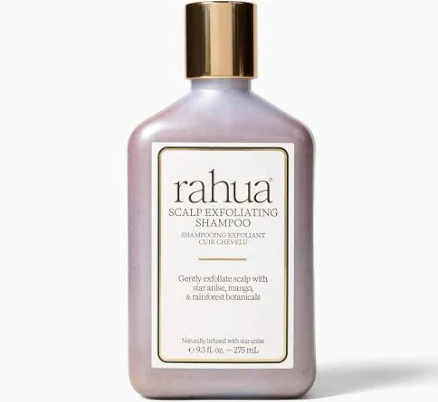
Rahua Scalp Exfoliating Shampoo
Lower concern, typical rinse-off shampoo with no known PFAS application.
Water-based shampoos need no waterproofing, nonstick, or durable water-repellency treatments that would introduce PFAS. The brand makes no PFAS claim and no independent lab data exists publicly.
We flunk more products than we pass. This one earned its grade. How we grade
Material
Water-based shampoo (aqueous surfactant blend)
Brand disclosure
Brand is silent on PFAS
Lab data
No public lab test
You may also be interested in
Top-graded picks in the categories readers replace first, every one scored on the same rubric.

- polypropylene filter housing, carbon/sediment cartridge
- We found no PFAS statement from the brand
- Bacterial growth in spent cartridges
3 hazards checked on this product, all on its full breakdown.

Aquasure
Premier Series 75 GPD Under Sink Reverse Osmosis Water Filtration System
- RO membrane, carbon filters, stainless steel housing
- We found no PFAS statement from the brand
- Bacterial and microbial growth in housing and filters
4 hazards checked on this product, all on its full breakdown.

Avocado
Vegan Mattress
- organic cotton, natural latex, coconut coir, recycled steel coils
- The brand calls it PFAS-free, which we have not verified
- Heavy metals
2 hazards checked on this product, all on its full breakdown.
What Rahua Scalp Exfoliating Shampoo is made of, ingredients and materials
Rahua Scalp Exfoliating Shampoo is an aqueous surfactant blend designed to cleanse and mechanically exfoliate the scalp. The 'exfoliating' function typically comes from mild abrasive particles (often volcanic ash, salt, or synthetic spheres) suspended in a detergent base, not chemical peels. Because this is a rinse-off product applied briefly to wet hair and scalp before thorough rinsing, systemic absorption of dissolved ingredients is minimal, limiting exposure risk compared to leave-on products.
What’s concerning
Category baseline
The starting point for this type of product, before anything specific to this product is counted.
No PFAS disclosure
No public statement from the brand about PFAS in this product.
1,4-dioxane (surfactant contaminant)
Shampoos using ethoxylated surfactants may contain trace 1,4-dioxane as a manufacturing byproduct. No specific testing published for this product; risk is low due to rinse-off nature, but brand does not disclose contaminant screening.
Formaldehyde / VOCs
Aqueous shampoos often use preservatives like imidazolidinyl urea or DMDM hydantoin to prevent microbial growth. Public ingredient list not detailed enough to confirm presence, but if present, contact dermatitis is the primary risk in sensitive individuals.
Source, ATSDR ↗Fragrance allergens
If this product contains fragrance (common in premium shampoos), undisclosed fragrance components may trigger allergic reactions in sensitive users. Rahua products are marketed as botanical but do not itemize fragrance constituents publicly.
Mechanical irritation from exfoliant particles
Scalp exfoliating shampoos inherently risk micro-abrasion. Overuse or use on compromised skin (sunburn, open sores, severe dermatitis) can cause irritation, redness, or bleeding. This is a use-related hazard, not a chemical hazard, but relevant to proper handling.
What’s reassuring
Base material not linked to PFAS
The main material recorded for this product is not one associated with PFAS.
Microplastic particles in exfoliant
No public disclosure confirms whether the exfoliating particles are synthetic microplastics or biodegradable (volcanic ash, salt, cellulose). If synthetic, the environmental impact is a concern; product safety is unaffected post-rinse.
How is this PFAS grade calculated?
The brand's record and disclosure
Rahua is a premium, Amazon-adjacent beauty brand marketed as plant-based and sustainable, but public ingredient transparency and third-party certifications are limited. No major recalls or safety controversies are on record for this product. The brand does not publicly disclose PFAS testing or avoidance commitments, and ingredient lists are standard but not exceptionally detailed, typical for the mass-premium shampoo category.
How it compares in its category
Scalp exfoliating shampoos are a common subcategory with similar hazard profiles across brands. This product aligns with mainstream formulations using surfactants and mechanical exfoliants rather than chemical peels. Competitors like Briogeo and Christophe Robin operate under similar disclosure standards. The mechanical exfoliation approach is gentler than chemical exfoliants (salicylic acid, glycolic acid) and avoids the irritation or sensitivity concerns of those alternatives.
If you buy it
Use as directed, wet hair, apply to scalp, massage gently, and rinse thoroughly with water. Do not leave on skin for extended periods or use more frequently than package instructions recommend, as mechanical abrasion can irritate sensitive or compromised scalp conditions. Store in a cool, dry place to prevent microbial growth in the bottle; discard if you notice cloudiness, off-odor, or separation that does not remix. If you have scalp conditions (eczema, psoriasis, open wounds), patch-test or consult a dermatologist first.
What is not known about PFAS in this product?
- Basis
- Model estimate, 72% confidence, not a lab result
- Lab test
- None on record for this exact product
- Brand statement
- Rahua has made none
Formulations change between production runs, so check the current label. How we grade.
More shampoo grades
How we score, every product runs through the same public 0-100 rubric based on materials, coatings, brand disclosure, lab findings, and recalls. See the full methodology → Spotted a mistake? Report an error.