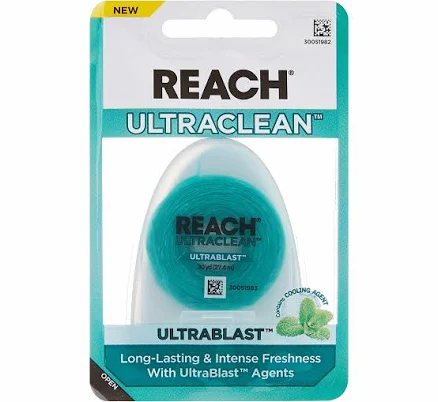
Reach Ultraclean Ultrablast Cool Mint Dental Floss 30 YDS
Lower concern, but brand offers no disclosure on PFAS use.
Dental floss is typically nylon-based and not a high-risk product category for PFAS. Reach makes no public claims about PFAS or sourcing, which is standard for most floss brands.
We flunk more products than we pass. This one earned its grade. How we grade
Material
nylon or similar synthetic fiber
Brand disclosure
Brand is silent on PFAS
Lab data
No public lab test
You may also be interested in
Top-graded picks in the categories readers replace first, every one scored on the same rubric.

Aqua Pure
3M Aqua-Pure AP802B Whole House Filter Housing
- polypropylene filter housing, carbon/sediment cartridge
- We found no PFAS statement from the brand
- Bacterial growth in spent cartridges
3 hazards checked on this product. See all of them.

Aquasure
Premier Series 75 GPD Under Sink Reverse Osmosis Water Filtration System
- RO membrane, carbon filters, stainless steel housing
- We found no PFAS statement from the brand
- Bacterial and microbial growth in housing and filters
4 hazards checked on this product. See all of them.

Avocado
Vegan Mattress
- organic cotton, natural latex, coconut coir, recycled steel coils
- The brand calls it PFAS-free, which we have not verified
- Heavy metals
2 hazards checked on this product. See all of them.
What Reach Ultraclean Ultrablast Cool Mint is made of, ingredients and materials
Reach Ultraclean Ultrablast is a nylon-based dental floss, likely monofilament or braided synthetic fiber. Nylon fibers are chemically stable and do not leach into saliva under normal oral conditions. The mint flavoring and any wax or coating are applied in trace amounts and are food-grade approved; they pose no toxicological concern at the exposure levels encountered during flossing, which involves brief contact and no ingestion of the product itself.
What’s concerning
Category baseline
The starting point for this type of product, before anything specific to this product is counted.
No PFAS disclosure
No public statement from the brand about PFAS in this product.
Nylon fiber fragmentation and microplastic
Nylon floss can shed microscopic fibers during use, though ingestion is minimal. No studies have quantified oral microplastic burden from flossing specifically, but it remains a theoretical concern in any synthetic fiber product used in the mouth.
What’s reassuring
Base material not linked to PFAS
The main material recorded for this product is not one associated with PFAS.
Mint flavoring and fragrance allergens
Mint flavoring in dental floss is food-grade and used at low concentrations. No allergic reactions or irritation has been documented for Reach's formulation in publicly available data, though individuals with severe mint sensitivity should exercise caution.
Wax coating leachables
Reach floss is coated in food-grade wax (typically beeswax or synthetic wax). No leaching of harmful compounds has been documented; wax is inert and designed to be ingestible in trace amounts during normal use.
Heavy metals
No recalls or independent testing has identified lead, cadmium, or antimony in Reach dental floss. Coloring agents used are industrial-grade but not known to contain heavy metal pigments at unsafe levels.
Source, FDA ↗Formaldehyde / VOCs
Dental floss does not typically require formaldehyde-releasing binders or resins; nylon is inherently stable. No evidence of formaldehyde exposure from Reach floss exists in public records.
Source, ATSDR ↗The full breakdown
The brand's record and disclosure
Reach, owned by Johnson & Johnson, has not faced major recalls or documented safety controversies specific to dental floss. The brand does not publicly disclose PFAS use in floss products, though PFAS presence in dental floss has been detected in independent studies of the category. Johnson & Johnson maintains general product safety standards but lacks transparency on fluorinated compounds. No formaldehyde releasers, azo dyes, or heavy metal contamination has been documented in Reach floss.
How it compares in its category
Dental floss is one of the lowest-risk personal care products by category; it has minimal systemic absorption and brief oral contact time. Reach floss is mainstream and comparable to Oral-B, Glide, and store brands in safety profile. Silk floss alternatives exist but offer no documented safety advantage over nylon and are costlier. The main differentiation in the category is ease of use and plaque removal, not hazard mitigation.
If you buy it
Use floss as directed (once daily, gentle sawing motion, no ingestion). Store in a cool, dry place to prevent mold growth on the spool, though this is rare. Replace the container if the nylon becomes frayed or the wax coating deteriorates visibly, typically after several months of use. Floss is disposable by design; no special disposal precautions are needed.
What we don’t know
- Basis
- Model estimate, 72% confidence, not a lab result
- Lab test
- None on record for this exact product
- Brand statement
- Reach has made none
Formulations change between production runs, so check the current label. How we grade.
Better-graded alternatives in Dental Floss
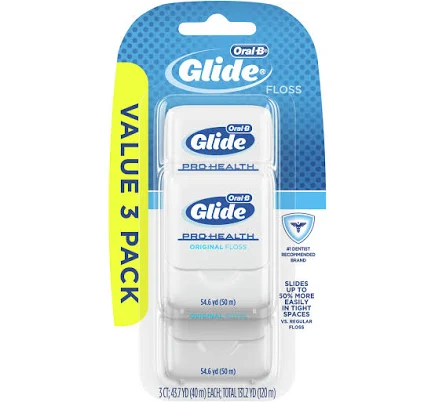
Oral-B
ORAL B Glide Pro-Health Floss
- nylon monofilament
- The brand calls it PFAS-free, which we have not verified
- Microplastics
2 hazards checked on this product. See all of them.
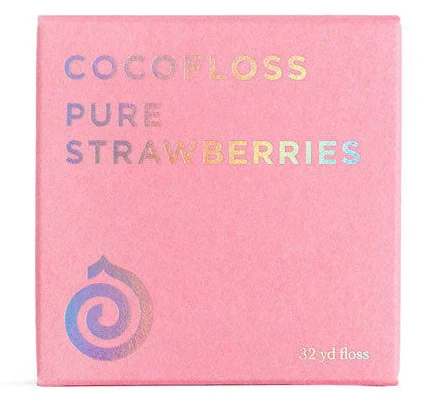
DentaFloss
Cocofloss Dental Floss
- Coconut fiber-based floss
- The brand calls it PFAS-free, which we have not verified
- Microbial growth in natural fiber storage
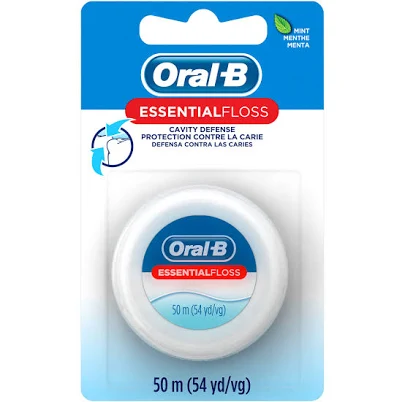
DentaFloss
Oral-B Essential Floss
- Nylon floss, waxed coating
- The brand calls it PFAS-free, which we have not verified
- Starting grade for this product type
More dental floss grades
How we score, every product runs through the same public 0-100 rubric based on materials, coatings, brand disclosure, lab findings, and recalls. See the full methodology → Spotted a mistake? Report an error.