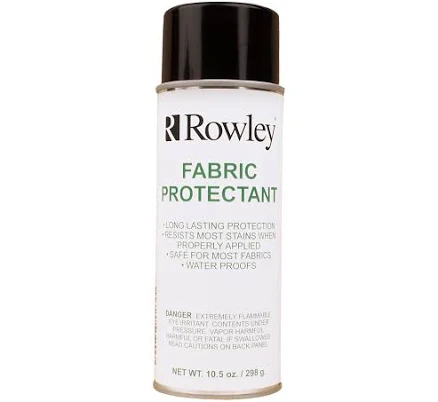
Fabric Protectant Spray
Skip until brand reveals ingredients; stain treatment PFAS risk remains unconfirmed.
This fabric protectant spray likely uses water and stain resistance treatments, but the exact formula is proprietary and undisclosed. No public PFAS testing or claims exist.
Still want this one anyway? Check the price on Amazon. We’d swap it.
Material
Proprietary fabric protectant coating formula
Lab data
No public lab test
You may also be interested in
Top-graded picks in the categories readers replace first, every one scored on the same rubric.

- polypropylene filter housing, carbon/sediment cartridge
- We found no PFAS statement from the brand
- Bacterial growth in spent cartridges
3 hazards checked on this product, all on its full breakdown.

Aquasure
Premier Series 75 GPD Under Sink Reverse Osmosis Water Filtration System
- RO membrane, carbon filters, stainless steel housing
- We found no PFAS statement from the brand
- Bacterial and microbial growth in housing and filters
4 hazards checked on this product, all on its full breakdown.

Avocado
Vegan Mattress
- organic cotton, natural latex, coconut coir, recycled steel coils
- The brand calls it PFAS-free, which we have not verified
- Heavy metals
2 hazards checked on this product, all on its full breakdown.
What Fabric Protectant Spray is made of, ingredients and materials
The brand's fabric protectant formula is proprietary, meaning the exact active ingredients are not publicly disclosed. Fabric protectants typically work by creating a water and oil-repellent coating on fiber surfaces, often using fluorinated compounds (PFAS) or silicone-based polymers. The spray application method means inhalation exposure is a delivery route, unlike passive coatings applied during manufacturing. Without ingredient transparency, it is impossible to assess whether volatile organic compounds (VOCs), solvents, or problematic surfactants are present.
What’s concerning
Category baseline
The starting point for this type of product, before anything specific to this product is counted.
Vague safety claims only
Uses vague language ("eco-friendly", "clean") without a specific PFAS statement.
Waterproof / stain-resistant treatment
Water-repellent coating treatments have historically used PFAS.
Respiratory exposure from aerosol inhalation
Spray format creates fine mist particles. Without disclosed ingredients, it is unclear whether the formula contains volatile solvents, propellants, or respiratory irritants beyond the active coating agent itself. Poor ventilation during application increases risk.
PFAS
Water and oil-repellent fabric treatments commonly contain PFAS or similar fluorinated compounds to achieve performance. The brand does not disclose this, and the brand has remained silent on PFAS elimination despite industry movement toward alternatives.
Source, ATSDR ↗Skin or eye irritation from direct contact
Spray application carries risk of direct contact with eyes or exposed skin. Typical fabric protectant formulas contain surfactants or solvents that can irritate mucous membranes, though severity depends on specific formulation concentration.
Coating degradation or fabric damage over time
Repeated application or interactions with water, detergent, and washing can cause the protective coating to degrade unevenly, potentially trapping moisture or creating residue buildup that attracts dirt or discoloration.
What’s reassuring
Formaldehyde / VOCs
No documented evidence of formaldehyde releasers or high VOC content in fabric protectant specifically. However, proprietary status means this cannot be confirmed; some older fabric protectant formulas did contain VOC-heavy solvents.
Source, ATSDR ↗How is this PFAS grade calculated?
The brand's record and disclosure
The brand does not publicly commit to PFAS elimination or provide ingredient-level transparency for this product. The brand has faced criticism for opaque formulations across its cleaning and protection lines. No third-party certifications (e.g., Cradle to Cradle, GreenGuard) are documented for this spray. Reckitt has not issued statements specifically addressing PFAS content in fabric protectants, despite growing regulatory and consumer pressure in this space.
How it compares in its category
Fabric protectant sprays are a broad category with widely varying chemistries. Some brands (e.g., Scotchgard by 3M) have publicly committed to phasing out long-chain PFAS, though their current formulations remain undisclosed. Others use silicone or plant-derived alternatives marketed as PFAS-free. The brand positions itself as a budget-friendly option, which typically correlates with lower disclosure standards and potentially older formulations that may still rely on PFAS.
If you buy it
Apply only in well-ventilated spaces to minimize inhalation of aerosol particles and any volatile components. Allow treated fabric to dry completely (typically 24 hours) before contact with skin or ingestion surfaces like tablecloths. Do not spray near food, water containers, or areas frequented by children or pets. Test on an inconspicuous corner first to check for staining or discoloration. Reapply only when water beading visibly decreases, typically every 6-12 months depending on use.
What is not known about PFAS in this product?
- Basis
- Model estimate, 35% confidence, not a lab result
- Lab test
- None on record for this exact product
- Brand statement
- has made a specific claim
Formulations change between production runs, so check the current label. How we grade.
What are the PFAS-free alternatives to Fabric Protectant Spray?
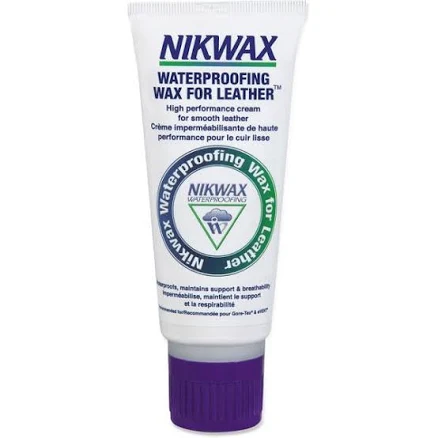
- wax-based waterproofing
- The brand calls it PFAS-free, which we have not verified
- Respiratory irritation or fume inhalation during application
2 hazards checked on this product, all on its full breakdown.
Find an alternative on Amazon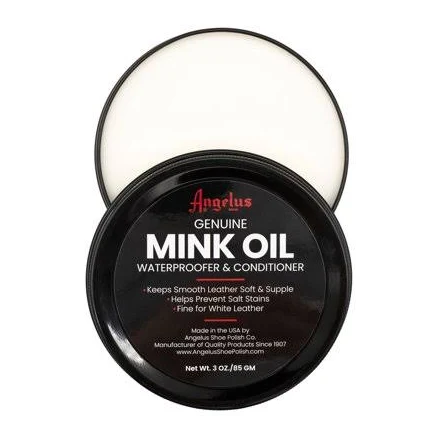
- mink oil paste, natural oil-based conditioner
- We found no PFAS statement from the brand
- Microbial growth (natural oil rancidity)
2 hazards checked on this product, all on its full breakdown.
Find an alternative on Amazon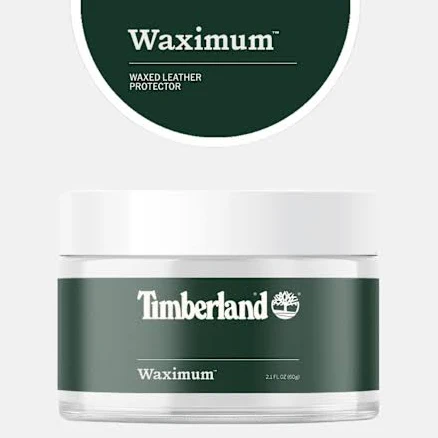
- Wax-based leather protector
- We found no PFAS statement from the brand
- Volatile organic compounds (VOCs) from solvents
3 hazards checked on this product, all on its full breakdown.
Find an alternative on AmazonMore fabric stain guard sprays grades
How we score, every product runs through the same public 0-100 rubric based on materials, coatings, brand disclosure, lab findings, and recalls. See the full methodology → Spotted a mistake? Report an error.