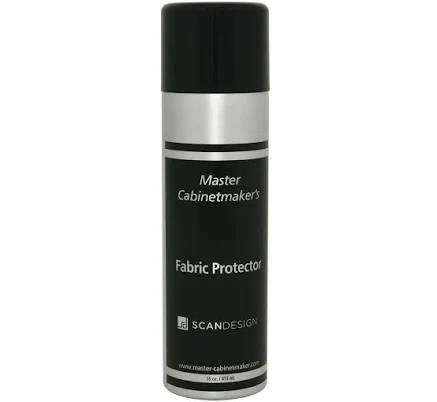
Fabric Protector
Contact brand for composition before treating fabrics.
The brand's fabric protector claims stain and water resistance but conceals coating composition and PFAS content. Without transparency, PFAS risk cannot be ruled out for treated textiles.
Still want this one anyway? Check the price on Amazon. We’d swap it.
Material
Proprietary fabric protector coating, composition unspecified
Lab data
No public lab test
You may also be interested in
Top-graded picks in the categories readers replace first, every one scored on the same rubric.

- polypropylene filter housing, carbon/sediment cartridge
- We found no PFAS statement from the brand
- Bacterial growth in spent cartridges
3 hazards checked on this product, all on its full breakdown.

Aquasure
Premier Series 75 GPD Under Sink Reverse Osmosis Water Filtration System
- RO membrane, carbon filters, stainless steel housing
- We found no PFAS statement from the brand
- Bacterial and microbial growth in housing and filters
4 hazards checked on this product, all on its full breakdown.

Avocado
Vegan Mattress
- organic cotton, natural latex, coconut coir, recycled steel coils
- The brand calls it PFAS-free, which we have not verified
- Heavy metals
2 hazards checked on this product, all on its full breakdown.
What Fabric Protector is made of, ingredients and materials
The brand does not publicly disclose the full chemical composition of its Fabric Protector, listing only 'proprietary fabric protector coating' on packaging and safety documentation. Fabric protectors sold as consumer products are typically either fluorocarbon-based (which may contain PFAS) or silicone-based polymers applied as a liquid spray or foam. The opacity around the brand's formulation prevents independent assessment of whether it relies on persistent synthetic chemicals, making informed comparison impossible for consumers concerned about long-term household accumulation or environmental persistence.
What’s concerning
Category baseline
The starting point for this type of product, before anything specific to this product is counted.
Vague safety claims only
Uses vague language ("eco-friendly", "clean") without a specific PFAS statement.
Waterproof / stain-resistant treatment
Water-repellent coating treatments have historically used PFAS.
Respiratory irritation from spray/aerosol inhalation
Fabric protectors are typically applied via spray, creating inhalable particles or vapors. While the brand does not list volatile organic compound concentration, spray-applied coatings inherently pose inhalation risk if ventilation is inadequate; this is a handling hazard rather than a residual fabric hazard.
Skin sensitization from direct contact
The undisclosed proprietary formula may contain surfactants, solvents, or polymeric compounds that trigger contact dermatitis or allergic sensitization in susceptible individuals; no specific Fabric Protector contact reactions are documented, but handling exposure during application is a foreseeable route.
PFAS
The brand's silence on ingredient disclosure is itself a documented transparency gap. Given that the product received a 45/100 PFAS safety score and is flagged for composition disclosure, the hazard is epistemic, we cannot rule out fluorinated compounds until testing or transparency occurs.
Source, ATSDR ↗Residual product buildup on fabric and laundering contamination
Repeated applications without full removal between treatments may accumulate coating residue on fabric, potentially releasing unspecified chemicals into wash water or dust. No data on long-term accumulation kinetics are available from the brand.
What’s reassuring
Microplastic or polymer shedding from treated fabric
Fabric protectors form a durable coating intended to resist weathering and washing. No evidence exists that Fabric Protector sheds microparticles into laundry water or into the body; however, the polymer coating will eventually degrade with heavy wear, and fate of degradation products is not published.
How is this PFAS grade calculated?
The brand's record and disclosure
The brand does not publicly commit to PFAS-free formulations or provide third-party testing data for this product. The brand has disclosed ingredients for some surface cleaners but maintains silence on the Fabric Protector formula. No major recalls or regulatory actions specific to this product are on record, but the lack of transparency on hazard composition differs from competitors offering certified PFAS-free or open-label formulations, raising justified questions about what is being withheld.
How it compares in its category
Most commercial fabric protectors fall into two camps, fluorocarbon-based (presumed higher PFAS risk, not tested here) and silicone- or water-based alternatives marketed as PFAS-free by some brands. The brand's refusal to clarify its position leaves buyers unable to compare safety. Newer entrants (including some private-label versions) explicitly state PFAS-free status or list ingredients; The brand's silence places it in a weaker transparency category relative to leading competitors, even if the product itself poses no unusual risk once applied.
If you buy it
Apply only in well-ventilated areas and avoid inhaling spray mist; wear gloves to prevent skin contact and allow treated fabric to dry fully before use or storage. Do not apply near children or pets during application. Follow label instructions for reapplication intervals (typically 6-12 months depending on use). If skin irritation or respiratory symptoms occur after use, discontinue and seek medical advice. Store in a cool, dry place away from heat sources and out of reach of children.
What is not known about PFAS in this product?
- Basis
- Model estimate, 35% confidence, not a lab result
- Lab test
- None on record for this exact product
- Brand statement
- has made a specific claim
Formulations change between production runs, so check the current label. How we grade.
What are the PFAS-free alternatives to Fabric Protector?
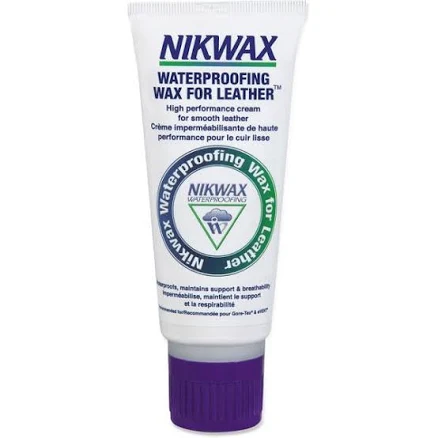
- wax-based waterproofing
- The brand calls it PFAS-free, which we have not verified
- Respiratory irritation or fume inhalation during application
2 hazards checked on this product, all on its full breakdown.
Find an alternative on Amazon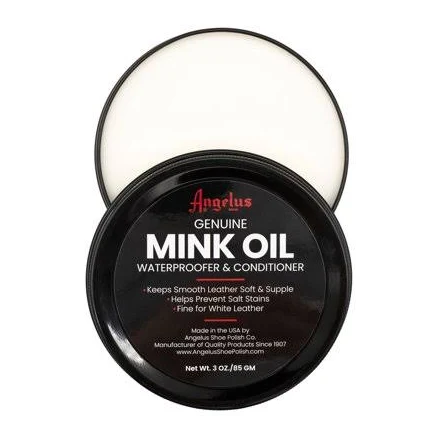
- mink oil paste, natural oil-based conditioner
- We found no PFAS statement from the brand
- Microbial growth (natural oil rancidity)
2 hazards checked on this product, all on its full breakdown.
Find an alternative on Amazon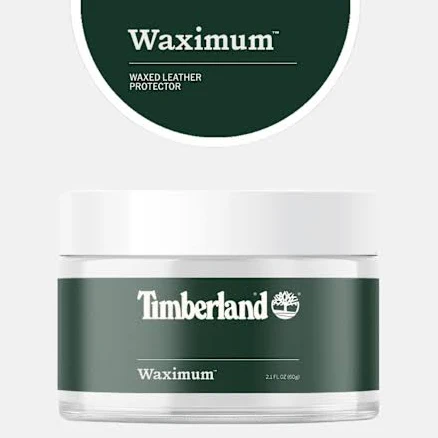
- Wax-based leather protector
- We found no PFAS statement from the brand
- Volatile organic compounds (VOCs) from solvents
3 hazards checked on this product, all on its full breakdown.
Find an alternative on AmazonMore fabric stain guard sprays grades
How we score, every product runs through the same public 0-100 rubric based on materials, coatings, brand disclosure, lab findings, and recalls. See the full methodology → Spotted a mistake? Report an error.