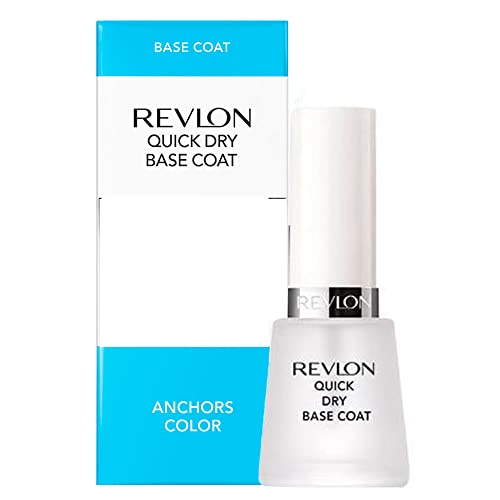
Revlon Quick Dry Base Coat
Lower concern; no PFAS use typical for nail polish formulas.
Revlon does not disclose PFAS in this base coat. Standard nail polish uses nitrocellulose and organic resins, typically lower PFAS risk than water-repellent coatings.
We flunk more products than we pass. This one earned its grade. How we grade
Material
nitrocellulose, plasticizers, resins, solvents
Lab data
No public lab test
You may also be interested in
Top-graded picks in the categories readers replace first, every one scored on the same rubric.

- polypropylene filter housing, carbon/sediment cartridge
- We found no PFAS statement from the brand
- Bacterial growth in spent cartridges
3 hazards checked on this product, all on its full breakdown.

Aquasure
Premier Series 75 GPD Under Sink Reverse Osmosis Water Filtration System
- RO membrane, carbon filters, stainless steel housing
- We found no PFAS statement from the brand
- Bacterial and microbial growth in housing and filters
4 hazards checked on this product, all on its full breakdown.

Avocado
Vegan Mattress
- organic cotton, natural latex, coconut coir, recycled steel coils
- The brand calls it PFAS-free, which we have not verified
- Heavy metals
2 hazards checked on this product, all on its full breakdown.
What Revlon Quick Dry Base Coat is made of, ingredients and materials
Revlon Quick Dry Base Coat is formulated with nitrocellulose as the primary film-former, combined with plasticizers and organic solvents to enable fast drying and adhesion to the nail. Nitrocellulose is a cellulose derivative widely used in nail polish and is not classified as a carcinogen or reproductive toxicant by major health bodies. The fast-dry claim typically relies on volatile organic compounds (solvents) that evaporate quickly, which is standard for this product type.
What’s concerning
Category baseline
The starting point for this type of product, before anything specific to this product is counted.
No PFAS disclosure
No public statement from the brand about PFAS in this product.
Volatile organic compounds (VOCs) from solvents
Nail polish base coats rely on fast-evaporating solvents (typically alcohols, ketones, or esters) to dry quickly. Inhalation during application in poorly ventilated spaces may cause mild respiratory irritation or headache; no chronic toxicity is on record for this product at typical use levels.
Phthalate plasticizers
Dibutyl phthalate (DBP) was historically common in nail polish as a plasticizer but has been phased out by many brands. Revlon does not confirm DBP absence in this formula; if present, dermal or inhalation exposure during application is the main route, with low absorption through intact skin.
Allergic contact sensitization from fragrance or resins
Nail polish resins and fragrance compounds can rarely trigger contact dermatitis in sensitive individuals, typically presenting as redness or itching around the nail fold or fingertips. This is an individual susceptibility issue, not a product-wide defect.
What’s reassuring
Base material not linked to PFAS
The main material recorded for this product is not one associated with PFAS.
Formaldehyde / VOCs
No public disclosure confirms formaldehyde or formaldehyde releasers in this base coat. Nail polish is not a moisture-rich environment, so preservative systems are minimal; this hazard is not established for this product.
Source, ATSDR ↗Heavy metals
Base coats are typically colorless or translucent and do not rely on pigments or colorants that commonly introduce lead, cadmium, or chromium. No contamination incidents are on record for Revlon base coats.
Source, FDA ↗How is this PFAS grade calculated?
The brand's record and disclosure
Revlon does not publicly disclose full ingredient transparency for individual nail polish products, nor has the brand published a dedicated PFAS avoidance policy. No recalls, safety warnings, or confirmed contamination incidents are on public record for this specific base coat formula. Revlon operates within US cosmetic regulations, which do not require pre-market approval but do prohibit certain restricted substances.
How it compares in its category
Nail base coats are among the lowest-concern cosmetic products; formulations are relatively standardized across brands and rely on similar nitrocellulose-solvent-plasticizer chemistry. Revlon's base coat is competitively positioned and does not stand out as higher-risk compared to other mass-market brands. Some premium or indie nail polish brands market "cleaner" or "3-free" formulas (excluding toluene, dibutyl phthalate, formaldehyde), but this product does not carry such claims.
If you buy it
Apply in a well-ventilated space or near an open window to minimize inhalation of volatile solvents during and immediately after application. Do not heat the bottle or apply over wet nail beds, as this can increase off-gassing. Replace the cap tightly after each use to prevent solvent evaporation and formula thickening. Discontinue use if you experience persistent irritation, redness, or respiratory symptoms and consult a dermatologist if symptoms persist.
What is not known about PFAS in this product?
- Basis
- Model estimate, 62% confidence, not a lab result
- Lab test
- None on record for this exact product
- Brand statement
- Revlon has made a specific claim
Formulations change between production runs, so check the current label. How we grade.
What are the PFAS-free alternatives to Revlon Quick Dry Base Coat?
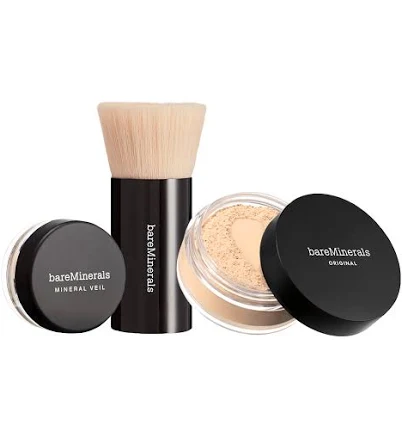
- The brand calls it PFAS-free, which we have not verified
- Lead
3 hazards checked on this product, all on its full breakdown.
More cosmetics grades
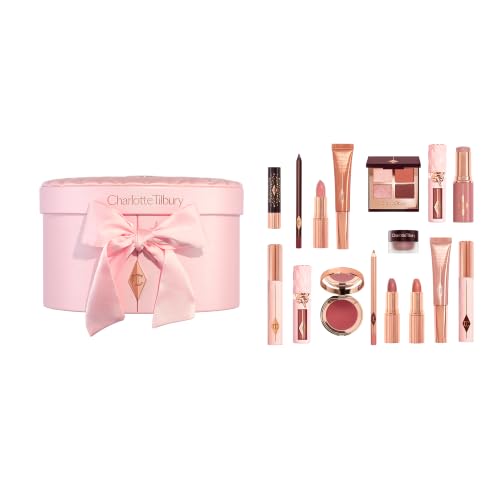 75Charlotte Tilbury Pillow Talk Dreams Come True
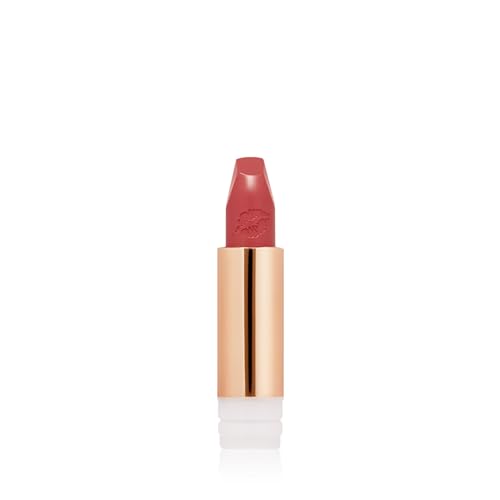 75Charlotte Tilbury Hot Lips 2 Refill
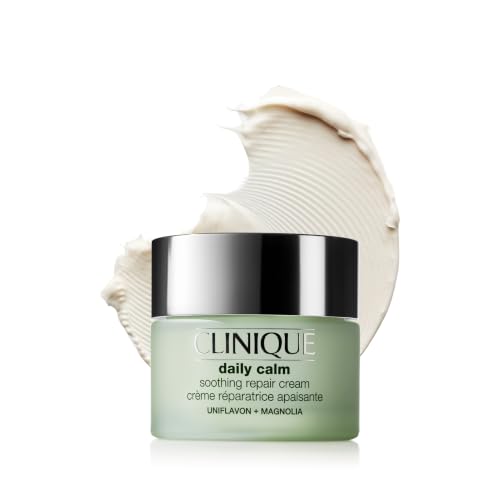 75Clinique Daily Calm Soothing Repair Face Cream
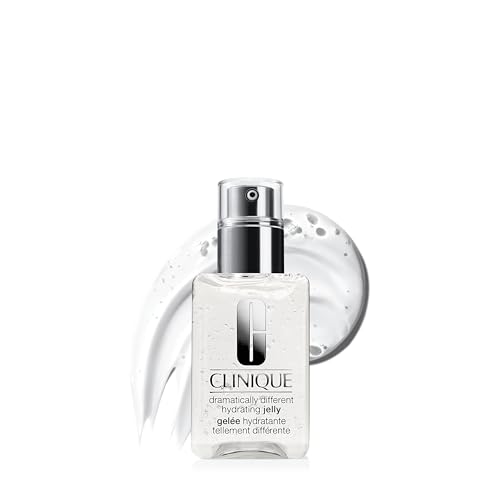 75Clinique Dramatically Different Hydrating Jelly Moisturizer
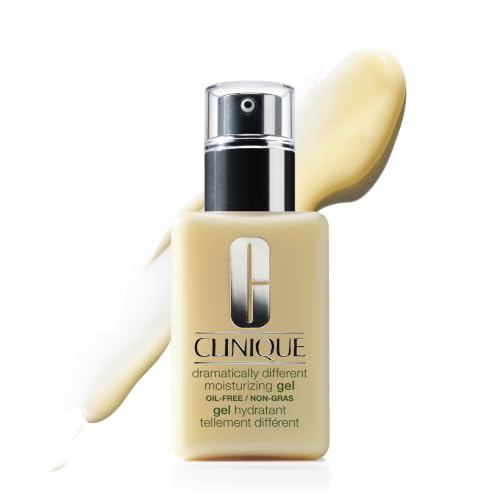 75Clinique Dramatically Different Moisturizing Gel
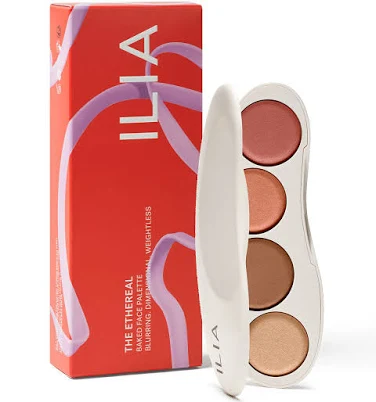 75Ilia Beauty Clean Makeup
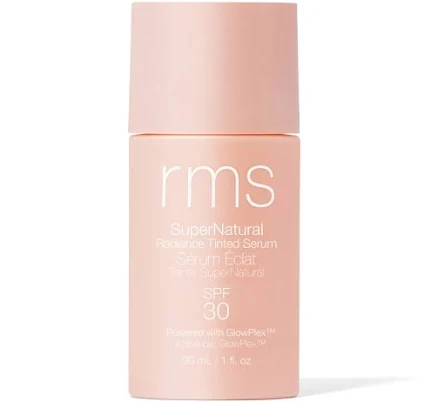 75RMS Beauty Organic Makeup
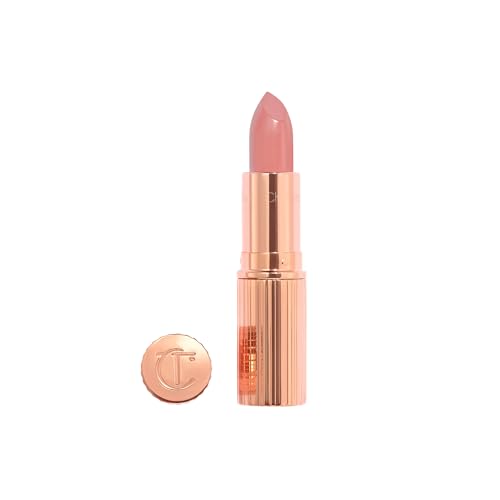 75Charlotte Tilbury Pillow Talk Lipstick
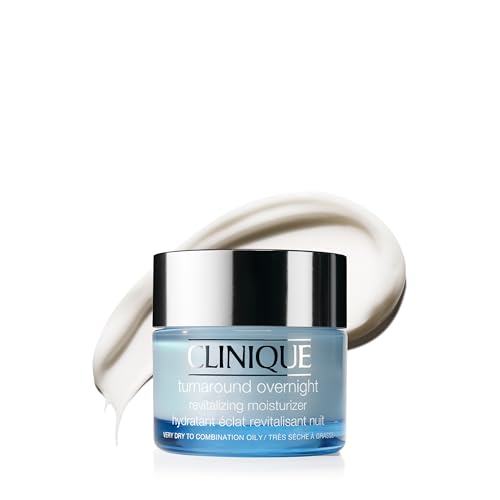 75Clinique Turnaround Overnight Revitalizing Moisturizer
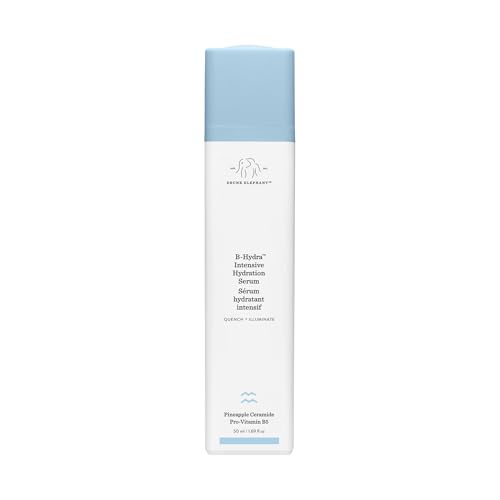 75Drunk Elephant B-Hydra Intensive Hydration SerumCompare vs Bare Minerals →All cosmetics →
How we score, every product runs through the same public 0-100 rubric based on materials, coatings, brand disclosure, lab findings, and recalls. See the full methodology → Spotted a mistake? Report an error.