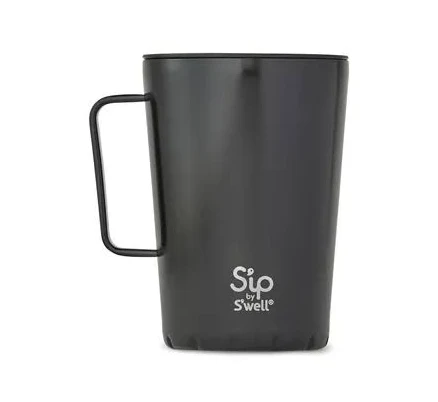
S'well · Insulated Travel Mugs
S'ip by S'well Takeaway Mug
Low concern. Stainless steel design with no reported coatings.
This tumbler uses bare stainless steel without water-repellent or grease-resistant coatings. The brand doesn't address PFAS, but the material type poses minimal risk.
We flunk more products than we pass. This one earned its grade. How we grade
Material
Stainless steel exterior, insulated
Lab data
No public lab test
You may also be interested in
Top-graded picks in the categories readers replace first, every one scored on the same rubric.

- polypropylene filter housing, carbon/sediment cartridge
- We found no PFAS statement from the brand
- Bacterial growth in spent cartridges
3 hazards checked on this product, all on its full breakdown.

Aquasure
Premier Series 75 GPD Under Sink Reverse Osmosis Water Filtration System
- RO membrane, carbon filters, stainless steel housing
- We found no PFAS statement from the brand
- Bacterial and microbial growth in housing and filters
4 hazards checked on this product, all on its full breakdown.

Avocado
Vegan Mattress
- organic cotton, natural latex, coconut coir, recycled steel coils
- The brand calls it PFAS-free, which we have not verified
- Heavy metals
2 hazards checked on this product, all on its full breakdown.
What S'ip by S'well Takeaway Mug is made of, ingredients and materials
The S'ip by S'well uses a food-grade stainless steel exterior (typically 18/8 or similar austenitic alloy) bonded to an insulating layer, with a plastic or silicone interior liner and lid components. Stainless steel itself is chemically inert and does not leach heavy metals like lead or cadmium under normal use. The critical safety variable is the interior lining material, if it is a durable elastomer (silicone) or polypropylene, it poses minimal risk; if it contains older plastic formulations, there is a small window for BPA or phthalate exposure, particularly if subjected to high heat or prolonged hot beverage contact.
What’s concerning
Category baseline
The starting point for this type of product, before anything specific to this product is counted.
No PFAS disclosure
No public statement from the brand about PFAS in this product.
BPA & bisphenols
S'well states products are BPA-free, but independent lab confirmation of all interior components is not publicly available. Risk is low for cold beverages but increases with hot-liquid prolonged contact.
Source, FDA ↗Bacterial growth in lid seals
Silicone or rubber gaskets can harbor Listeria, E. coli, or mold if moisture is trapped and drying is incomplete. This is a use-maintenance issue, not a manufacturing defect.
Thermal shock or seal failure from temperature cycling
Repeated exposure to boiling water followed by cold storage can stress the bond between stainless and insulation, and degrade interior elastomer seals, potentially releasing volatile compounds or allowing metal-to-plastic contact.
What’s reassuring
Base material not linked to PFAS
The main material recorded for this product is not one associated with PFAS.
Phthalates
No documented cases or recalls; stainless and food-grade silicone alternatives to vinyl are now standard in this price category, making phthalate exposure unlikely.
Source, ATSDR ↗Heavy metals
Stainless steel 18/8 alloy contains nickel (8-11%) and chromium, both present as stable oxides that do not leach under normal beverage pH. Nickel sensitivity can occur in individuals with contact dermatitis, but ingestion risk is negligible.
Source, FDA ↗How is this PFAS grade calculated?
The brand's record and disclosure
S'well (owned by Caldera Brands) has not published detailed third-party safety certifications or material disclosures in public domain, and does not maintain an explicit PFAS-free statement. The brand has no major recalls or documented safety incidents on record for the S'ip line. S'well markets products as BPA-free, though independent verification of all interior components is limited. The company's general silence on manufacturing standards and material sourcing is typical of the sector but leaves some opacity regarding interior sealants and adhesives.
How it compares in its category
Stainless steel insulated tumblers have lower concern than thermal-shock vessels because they avoid the coating-degradation and ceramic-glaze risks associated with those alternatives. S'well's price point and design place it in the premium segment; competitors like Hydro Flask and YETI use similar stainless construction. Unlike ceramic or coated metal alternatives, this category carries virtually no risk of lead, cadmium, or Teflon-type coating fume exposure. The main differentiator is lid and interior gasket durability, which varies by brand maintenance and material quality.
If you buy it
Use only with beverages under 80C (176F) to avoid stressing interior seals; repeated boiling-water contact can degrade elastomer liners over years. Hand-wash the lid assembly thoroughly, as crevices can harbor bacterial biofilm if stored damp. Inspect the interior seal annually for discoloration, odor, or visible degradation; replace if compromised. Store dry and avoid prolonged contact with acidic beverages (citrus, vinegar) in the lid, which can corrode stainless steel over extended periods, though the tumbler itself is corrosion-resistant.
What is not known about PFAS in this product?
- Basis
- Model estimate, 72% confidence, not a lab result
- Lab test
- None on record for this exact product
- Brand statement
- S'well has made a specific claim
Formulations change between production runs, so check the current label. How we grade.
What are the PFAS-free alternatives to S'ip by S'well Takeaway Mug?
- stainless steel exterior, ceramic lining interior
- Ceramic coating degradation over time
3 hazards checked on this product, all on its full breakdown.
- Stainless steel body, plastic lid
- We found no PFAS statement from the brand
- Plastic lid polymer identity and leaching potential
3 hazards checked on this product, all on its full breakdown.
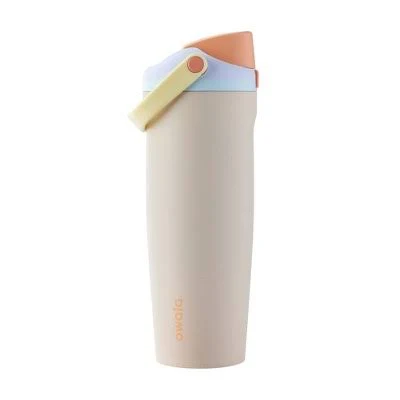
- Stainless steel body, no interior coating disclosed
- Silicone and plastic lid/valve leachables
3 hazards checked on this product, all on its full breakdown.
More insulated travel mugs grades
How we score, every product runs through the same public 0-100 rubric based on materials, coatings, brand disclosure, lab findings, and recalls. See the full methodology → Spotted a mistake? Report an error.