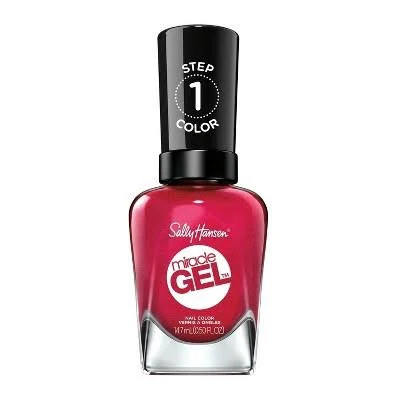
Sally Hansen · Nail Polish & Top Coat
Miracle Gel Nail Polish Sally Hansen, Is It Non-Toxic?
Skip until Sally Hansen discloses gel resin chemistry or testing.
Sally Hansen's gel polish contains no public PFAS claims or third-party testing. Brand hasn't published ingredient chemistry or forever chemical disclosure.
The better-graded swap
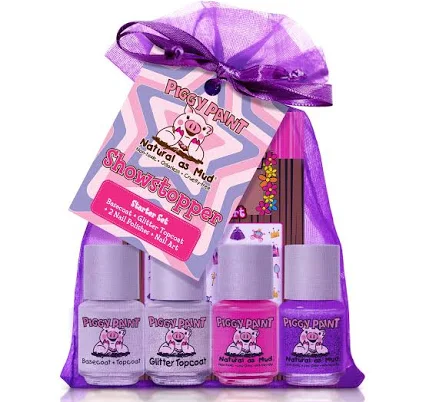
Piggy Paint
Piggy Paint Showstopper Nail Polish Set
100/100 safety
Same rubric that flunked this product. The swap earned Excellent.
Still want this one anyway? Check the price on Amazon. We’d swap it.
Material
nitrocellulose-based polish with proprietary gel resins
Brand disclosure
Brand is silent on PFAS
Lab data
No public lab test
You may also be interested in
Top-graded picks in the categories readers replace first, every one scored on the same rubric.

- polypropylene filter housing, carbon/sediment cartridge
- We found no PFAS statement from the brand
- Bacterial growth in spent cartridges
3 hazards checked on this product, all on its full breakdown.

Aquasure
Premier Series 75 GPD Under Sink Reverse Osmosis Water Filtration System
- RO membrane, carbon filters, stainless steel housing
- We found no PFAS statement from the brand
- Bacterial and microbial growth in housing and filters
4 hazards checked on this product, all on its full breakdown.

Avocado
Vegan Mattress
- organic cotton, natural latex, coconut coir, recycled steel coils
- The brand calls it PFAS-free, which we have not verified
- Heavy metals
2 hazards checked on this product, all on its full breakdown.
Is Miracle Gel Nail Polish Sally Hansen non-toxic? What it is made of
Miracle Gel is a nitrocellulose-based polish formulated with proprietary gel resins and a blend of volatile organic compounds (VOCs) including toluene, xylene, and dibutyl phthalate (DBP). These solvents enable fast drying and adhesion but evaporate during application and curing, creating inhalation exposure in poorly ventilated spaces. Sally Hansen does not publicly disclose the full resin composition or identify whether alternative plasticizers replace DBP, leaving uncertainty about cumulative chemical exposure with repeated or frequent use.
What’s concerning
Category baseline
The starting point for this type of product, before anything specific to this product is counted.
No PFAS disclosure
No public statement from the brand about PFAS in this product.
Volatile organic compounds (toluene, xylene)
Nitrocellulose-based gel polishes universally contain these solvents to achieve drying speed and adhesion. Inhalation exposure during application is cumulative and measurable in poorly ventilated nail salons; home users have lower ambient exposure but still inhale vapors during brush application and curing.
Dibutyl phthalate (DBP) or replacement plasticizers
Sally Hansen markets some lines as 'DBP-free,' but Miracle Gel's exact plasticizer is not disclosed. If DBP is present, it is a known endocrine disruptor with particular concern for repeated nail technician exposure. If replaced, the substitute (e.g., diethyl phthalate, camphor) carries less evidence of harm but remains inadequately tested in nail polish formulations.
Formaldehyde / VOCs
While Sally Hansen labels some products as formaldehyde-free, proprietary gel resins may contain formaldehyde-releasing preservatives not listed on consumer-facing labels. Professional analysis of this product line has not been published; risk is highest during application when uncrosslinked resin is exposed.
Source, ATSDR ↗UV/LED lamp exposure during curing
Miracle Gel curing requires UV or LED lamps. LED lamps carry lower skin damage risk than older UV bulbs, but cumulative exposure during frequent manicures (weekly or more) raises concerns for skin aging and melanoma risk, especially on hands. Risk is mitigated by spacing manicures 3+ weeks apart and applying broad-spectrum sunscreen to hands before curing.
Coating degradation and resin residue
Gel-hybrid polishes are designed to adhere longer than traditional polish, but chipping or peeling leaves uncrosslinked resin particles on the nail surface. Repeated application and removal with acetone can degrade the nail plate over months of continuous use, increasing susceptibility to infection and brittleness.
What’s reassuring
Base material not linked to PFAS
The main material recorded for this product is not one associated with PFAS.
How is this PFAS grade calculated?
The brand's record and disclosure
Sally Hansen is part of Coty Inc. and markets its polishes as '3-free' or '5-free' (excluding formaldehyde, toluene, and dibutyl phthalate, depending on the line), though formulation varies by product and region. The brand has not published third-party safety testing, PFAS screening results, or detailed gel-resin ingredient lists. No major recalls specific to Miracle Gel were identified in public records, but Sally Hansen's minimal transparency on advanced resin chemistry and PFAS testing limits independent assessment.
How it compares in its category
Miracle Gel occupies the mass-market gel-hybrid segment alongside Essie Gel, Orly, and OPI; many competitors offer similar 'free-from' labeling but equally opaque resin disclosure. Professional gel polishes (CND, Gelish, Akzentz) sometimes publish more detailed ingredient documentation, though cost is significantly higher. Home gel systems inherently involve VOC exposure during application; Miracle Gel's one-step application (base, color, and top coat in one bottle) reduces application time but does not eliminate solvent inhalation risk compared to UV-cured alternatives.
If you buy it
Apply in a well-ventilated space or near an open window to minimize solvent vapor inhalation. Cure under LED or UV light for the recommended time (10-60 seconds depending on lamp) to ensure complete polymerization and reduce unreacted resin residue on nails. Replace polish every 2-3 weeks or when color fades, as accumulated old polish under new layers increases removal difficulty and potential solvent reabsorption. Remove with acetone-free remover or pure acetone in ventilated conditions, avoid prolonged skin contact, and moisturize nails weekly during regular use to prevent brittleness.
What is not known about PFAS in this product?
- Basis
- Model estimate, 35% confidence, not a lab result
- Lab test
- None on record for this exact product
- Brand statement
- Sally Hansen has made none
Formulations change between production runs, so check the current label. How we grade.
What are the PFAS-free alternatives to Miracle Gel Nail Polish Sally Hansen?
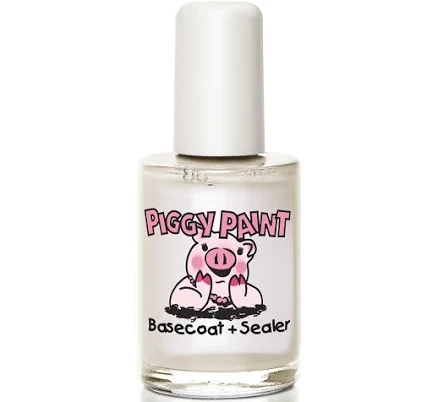
- Water-based organic pigments and plant-derived resins
- The brand calls it PFAS-free, which we have not verified
- Heavy metals
3 hazards checked on this product, all on its full breakdown.
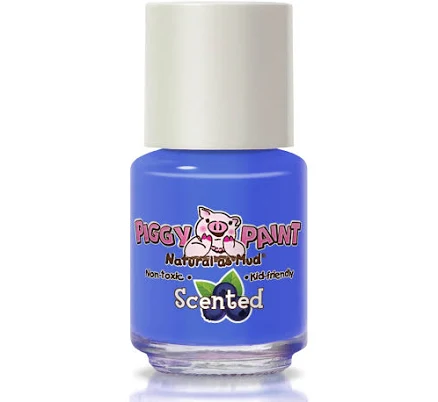
- water-based pigmented lacquer
- The brand calls it PFAS-free, which we have not verified
- Volatile organic compounds (VOCs) from resins and solvents
3 hazards checked on this product, all on its full breakdown.
Piggy Paint
Showstopper Nail Polish Set
- organic pigments, plant-based resins, water-based lacquer
- The brand calls it PFAS-free, which we have not verified
- Volatile organic compounds (VOCs)
2 hazards checked on this product, all on its full breakdown.
More nail polish & top coat grades
How we score, every product runs through the same public 0-100 rubric based on materials, coatings, brand disclosure, lab findings, and recalls. See the full methodology → Spotted a mistake? Report an error.