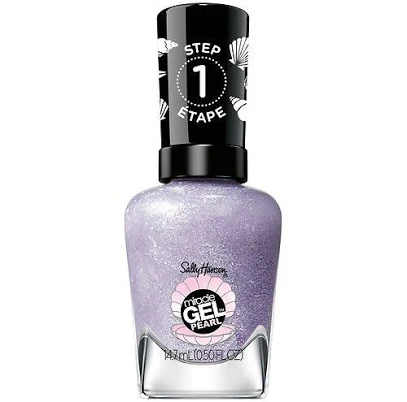
Sally Hansen · Nail Polish & Top Coat
Sally Hansen Miracle Gel Pearl Nail Polish, Is It Non-Toxic?
Skip or check label; gel polish formulations opaque.
Sally Hansen's gel polish lacks ingredient details regarding PFAS. Gel formulations commonly contain film-forming polymers whose PFAS content rarely appears on labels.
The better-graded swap
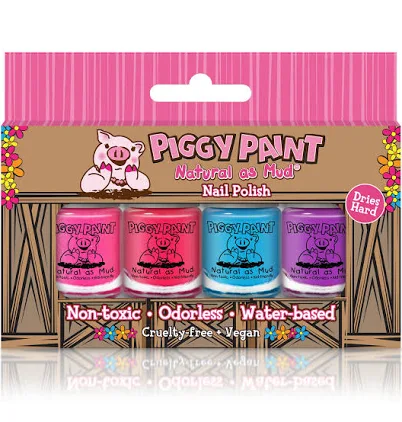
Piggy Paint
Piggy Paint 4-Piece Nail Polish Set
100/100 safety
Same rubric that flunked this product. The swap earned Excellent.
Still want this one anyway? Check the price on Amazon. We’d swap it.
Material
Gel lacquer (acrylics, resins, film-formers)
Brand disclosure
Brand is silent on PFAS
Lab data
No public lab test
You may also be interested in
Top-graded picks in the categories readers replace first, every one scored on the same rubric.

- polypropylene filter housing, carbon/sediment cartridge
- We found no PFAS statement from the brand
- Bacterial growth in spent cartridges
3 hazards checked on this product, all on its full breakdown.

Aquasure
Premier Series 75 GPD Under Sink Reverse Osmosis Water Filtration System
- RO membrane, carbon filters, stainless steel housing
- We found no PFAS statement from the brand
- Bacterial and microbial growth in housing and filters
4 hazards checked on this product, all on its full breakdown.

Avocado
Vegan Mattress
- organic cotton, natural latex, coconut coir, recycled steel coils
- The brand calls it PFAS-free, which we have not verified
- Heavy metals
2 hazards checked on this product, all on its full breakdown.
Is Sally Hansen Miracle Gel Pearl Nail Polish non-toxic? What it is made of
Sally Hansen Miracle Gel is a gel-hybrid lacquer combining acrylics, oligomers, and film-forming resins that cure under UV or LED light. Unlike traditional polish, gel formulations require solvent activation and light polymerization, which concentrates volatile organic compounds (VOCs) during application and curing. The 'pearl' variants typically include mica, iron oxides, and synthetic pigments to create shimmer effects; these are generally low-risk but can occasionally contain trace heavy metals depending on pigment source. Gel polishes are thicker and more durable than conventional polish but shed microplastics during wear and removal.
What’s concerning
Category baseline
The starting point for this type of product, before anything specific to this product is counted.
No PFAS disclosure
No public statement from the brand about PFAS in this product.
Volatile organic compounds (VOCs) and solvent exposure
Gel polish relies on volatile photoinitiators, monomers, and solvent carriers that off-gas during application and curing. Inadequate ventilation during salon or at-home application can cause headaches, respiratory irritation, and dizziness; professional nail workers face chronic cumulative exposure.
UV/LED curing radiation exposure
Repeated curing under UV or LED lamps exposes skin on hands and fingers to cumulative UV-A radiation. While individual exposure per manicure is low, frequent use (every 2 weeks) may increase melanoma or non-melanoma skin cancer risk, particularly for darker skin tones with less natural protection.
Heavy metals
Pearl finishes rely on mica coated with iron oxides and synthetic colorants; occasional contamination with lead, cadmium, or chromium can occur in low-cost pigment batches. Sally Hansen does not publish pigment supplier audits, so actual heavy-metal levels in Miracle Gel Pearl are not verifiable.
Source, FDA ↗Microplastic shedding during wear and removal
Gel polish sheds microplastics as it flakes during wear and fragments during acetone removal. These particles accumulate in landfills and potentially in wastewater; removal via peeling or scraping dramatically increases microplastic generation and poses minor swallowing risk if fragments contact lips or mouth.
What’s reassuring
Base material not linked to PFAS
The main material recorded for this product is not one associated with PFAS.
Formaldehyde / VOCs
Sally Hansen Miracle Gel has not been independently tested for formaldehyde-releasing preservatives or DBP (a plasticizer linked to reproductive harm). The brand's lack of disclosure does not confirm absence; gel formulas occasionally contain trace phthalates as solubilizers, but no published reports flag Miracle Gel specifically.
Source, ATSDR ↗How is this PFAS grade calculated?
The brand's record and disclosure
Sally Hansen has not published a detailed PFAS-transparency statement or independent testing results for this line. The brand markets broadly as 'safer' alternatives but does not disclose specific ingredient sourcing or third-party certifications (e.g., no Clean Beauty Seal, no EWG Verified). No major recalls of Miracle Gel Pearl specifically have been documented by the FDA or consumer safety databases. Sally Hansen's parent company Coty has faced scrutiny for opacity on harmful chemicals but does not flag gel polish as a high-concern category in its limited sustainability reports.
How it compares in its category
Gel polishes as a category carry higher VOC and solvent risk than traditional lacquers because application involves stronger film-formers and photoinitiators. Miracle Gel Pearl sits in the mainstream gel market alongside OPI, Gelish, and Essie Gel, all of which share similar chemistry and lack detailed PFAS or heavy-metal disclosures. Compared to water-based or non-toxic gel alternatives (e.g., Ella+Mila, Zoya Gel), this product offers no visible premium ingredient transparency or third-party safety testing. Microplastic shedding risk is comparable to most gel formulas; no significant data separates this brand from peers.
If you buy it
Apply only in well-ventilated spaces (window open, fan running) to minimize inhalation of volatiles during application and curing. UV/LED curing should not exceed manufacturer time (typically 30-60 seconds per coat); overexposure to UV light carries minor skin cancer risk if done repeatedly without sunscreen on hands. Remove using acetone-soaked wraps rather than scraping or peeling to avoid microplastic shedding into the environment and nail bed damage. Replace every 2-3 weeks; do not layer over chipped or degraded polish, as flaking increases microplastic ingestion risk.
What is not known about PFAS in this product?
- Basis
- Model estimate, 45% confidence, not a lab result
- Lab test
- None on record for this exact product
- Brand statement
- Sally Hansen has made none
Formulations change between production runs, so check the current label. How we grade.
What are the PFAS-free alternatives to Sally Hansen Miracle Gel Pearl Nail Polish?
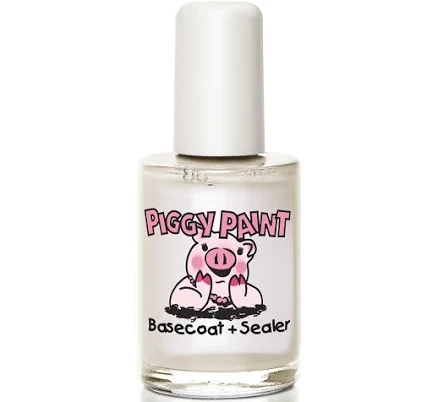
- Water-based organic pigments and plant-derived resins
- The brand calls it PFAS-free, which we have not verified
- Heavy metals
3 hazards checked on this product, all on its full breakdown.
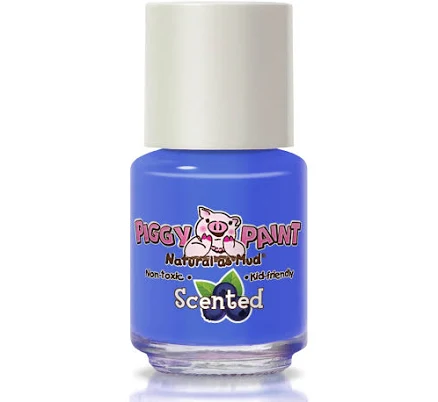
- water-based pigmented lacquer
- The brand calls it PFAS-free, which we have not verified
- Volatile organic compounds (VOCs) from resins and solvents
3 hazards checked on this product, all on its full breakdown.
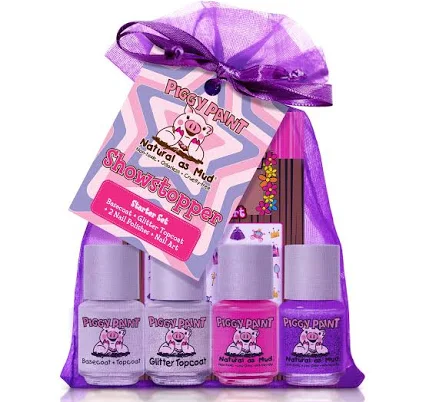
Piggy Paint
Showstopper Nail Polish Set
- organic pigments, plant-based resins, water-based lacquer
- The brand calls it PFAS-free, which we have not verified
- Volatile organic compounds (VOCs)
2 hazards checked on this product, all on its full breakdown.
More nail polish & top coat grades
How we score, every product runs through the same public 0-100 rubric based on materials, coatings, brand disclosure, lab findings, and recalls. See the full methodology → Spotted a mistake? Report an error.