Sally Hansen · Nail Polish & Top Coat
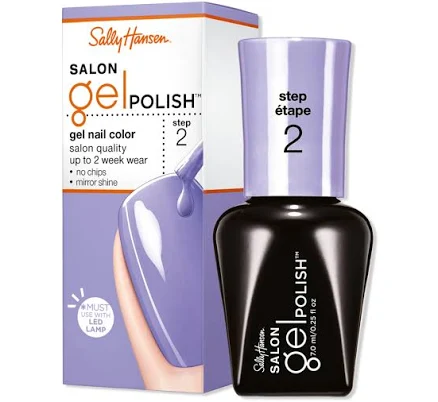
Sally Hansen Salon Pro Gel Nail Polish, Is It Non-Toxic?
Insufficient transparency; nail polish PFAS risk unclear.
Sally Hansen makes no public PFAS statements for this gel polish. Gel products can contain fluorinated compounds, but brand transparency and third-party testing are unavailable.
The better-graded swap
Piggy Paint
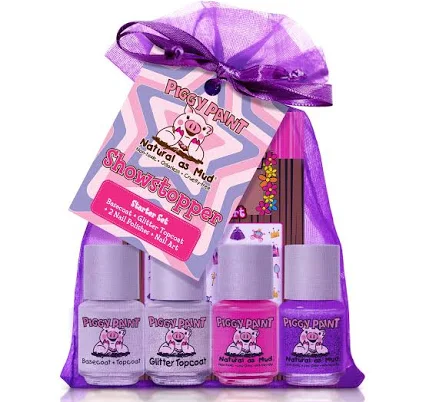
Piggy Paint Showstopper Nail Polish Set
100/100 safety
Same rubric that flunked this product. The swap earned Excellent.
Still want this one anyway? Check the price on Amazon. We’d swap it.
Material
Gel polish (acrylate-based lacquer)
Brand disclosure
Brand is silent on PFAS
Lab data
No public lab test
You may also be interested in
Top-graded picks in the categories readers replace first, every one scored on the same rubric.

- polypropylene filter housing, carbon/sediment cartridge
- We found no PFAS statement from the brand
- Bacterial growth in spent cartridges
3 hazards checked on this product, all on its full breakdown.

Aquasure
Premier Series 75 GPD Under Sink Reverse Osmosis Water Filtration System
- RO membrane, carbon filters, stainless steel housing
- We found no PFAS statement from the brand
- Bacterial and microbial growth in housing and filters
4 hazards checked on this product, all on its full breakdown.

Avocado
Vegan Mattress
- organic cotton, natural latex, coconut coir, recycled steel coils
- The brand calls it PFAS-free, which we have not verified
- Heavy metals
2 hazards checked on this product, all on its full breakdown.
Is Sally Hansen Salon Pro Gel Nail Polish non-toxic? What it is made of
Sally Hansen Salon Pro Gel is an acrylate-based UV-curable lacquer, meaning it hardens under UV/LED light rather than air-drying. The polymer matrix typically contains oligomers, monomers (including methacrylates), photoinitiators, and colorants or mica for opacity and shine. During application and curing, volatile organic compounds (VOCs) and potential skin sensitizers from uncrosslinked monomers may off-gas; curing under UV light creates a largely stable coating once hardened, but removal via acetone soaking poses re-exposure risk.
What’s concerning
Category baseline
The starting point for this type of product, before anything specific to this product is counted.
No PFAS disclosure
No public statement from the brand about PFAS in this product.
Methacrylate monomer sensitization (skin contact & inhalation)
Uncrosslinked acrylate monomers in gel polish are well-documented allergens and irritants in nail technicians and frequent users. Sally Hansen Salon Pro does not publicly disclose monomer concentrations or sensitization risk; occupational exposure data suggests gel polish inhalation and direct contact pose cumulative allergenic potential.
UV exposure during curing
Repeated weekly UV-A exposure from gel curing lamps has been associated with photoaging and potential melanoma risk in heavy users, though absolute risk remains debated. No product-specific data exists for Salon Pro; risk depends on lamp type (LED vs UV) and user frequency rather than polish formulation alone.
Acetone toxicity during removal
Removal via acetone soaking (the standard method for gel polish) carries inhalation and dermal absorption risks, especially with repeated weekly use. Acetone is not a hazard of the polish itself but is a mandatory exposure for gel users; proper ventilation and glove use during removal are critical.
Coating adhesion degradation & microabrasion
Gel polish chipping or peeling (common after 2-3 weeks) may generate micro-particles that are ingested or inhaled during grooming or removal. Sally Hansen does not disclose coating longevity testing; users filing or peeling the polish themselves create fine particulate matter of unknown composition and potential toxicity.
What’s reassuring
Base material not linked to PFAS
The main material recorded for this product is not one associated with PFAS.
Heavy metals
No recalls or regulatory findings of lead, cadmium, or arsenic contamination in Sally Hansen Salon Pro Gel have been reported. Mica and iron oxide pigments are standard pigments used in gel polish; however, the brand does not publish heavy metal test results or pigment sourcing data.
Source, FDA ↗How is this PFAS grade calculated?
The brand's record and disclosure
Sally Hansen is a major mass-market brand owned by Coty Inc. The company has not published detailed ingredient transparency reports or third-party safety certifications specific to their gel formulations. No major recalls or regulatory enforcement actions for Salon Pro Gel are on public record. The brand's PFAS stance remains undisclosed, limiting assessment of whether fluorinated compounds are intentionally used as water-repellents or stain-resistors in the formula.
How it compares in its category
Gel polishes as a category carry inherent risks from methacrylate sensitization, UV exposure, and acetone-heavy removal that water-based or conventional polishes do not. Sally Hansen Salon Pro sits in the mid-range for price and availability; it is not marketed as hypoallergenic, 3-free (or higher tier free of toxins), or sustainably sourced. Some competitors (e.g., Zoya, Ella+Mila) offer cleaner formulations with fewer sensitizing monomers and explicit non-PFAS claims, though Salon Pro's specific monomer profile is not publicly disclosed.
If you buy it
Apply in a well-ventilated space or with a fume extractor to minimize inhalation of uncrosslinked monomers; allow 30-60 seconds of pre-exposure before curing if you have a history of contact dermatitis. Cure times and UV settings vary; follow bottle instructions and do not over-cure, as excess UV energy may degrade the polymer. Remove with pure acetone and cotton wraps (15-20 minutes soaking) rather than peeling or filing, which generates dust; moisturize cuticles afterward. Replace every 2-3 weeks as the coating chips or yellows.
What is not known about PFAS in this product?
- Basis
- Model estimate, 45% confidence, not a lab result
- Lab test
- None on record for this exact product
- Brand statement
- Sally Hansen has made none
Formulations change between production runs, so check the current label. How we grade.
What are the PFAS-free alternatives to Sally Hansen Salon Pro Gel Nail Polish?
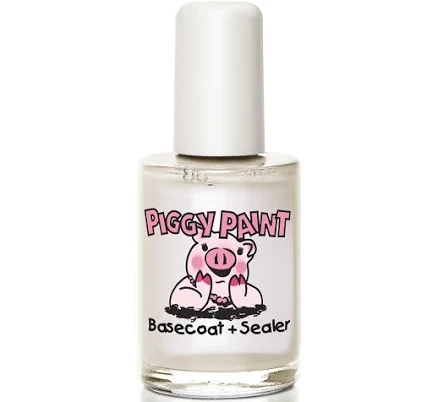
- Water-based organic pigments and plant-derived resins
- The brand calls it PFAS-free, which we have not verified
- Heavy metals
3 hazards checked on this product, all on its full breakdown.
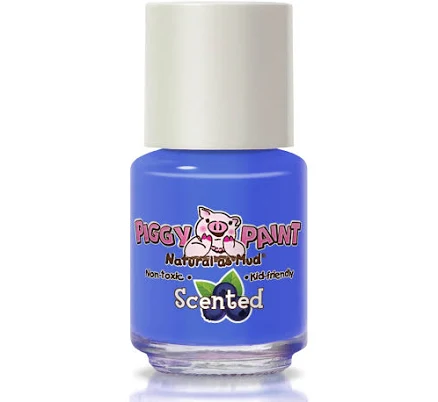
- water-based pigmented lacquer
- The brand calls it PFAS-free, which we have not verified
- Volatile organic compounds (VOCs) from resins and solvents
3 hazards checked on this product, all on its full breakdown.
Piggy Paint
Showstopper Nail Polish Set
- organic pigments, plant-based resins, water-based lacquer
- The brand calls it PFAS-free, which we have not verified
- Volatile organic compounds (VOCs)
2 hazards checked on this product, all on its full breakdown.
More nail polish & top coat grades
How we score, every product runs through the same public 0-100 rubric based on materials, coatings, brand disclosure, lab findings, and recalls. See the full methodology → Spotted a mistake? Report an error.