· Waterproof Phone Chargers & Cables
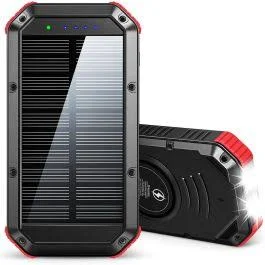
30000mAh Waterproof Solar Charger & Solar Power Bank- 18 W Wireless Phone Charger - 6 Outputs & Type-C Input & Output
No coating described, and no PFAS statement from the brand.
The product information we reviewed describes plastic housing, with no water-repellent coating named. Water resistance on products like this usually comes from the material and its seals rather than a surface treatment. The brand has published no PFAS statement for it.
We flunk more products than we pass. This one earned its grade. How we grade
Material
Plastic housing
Lab data
No public lab test
You may also be interested in
Top-graded picks in the categories readers replace first, every one scored on the same rubric.

- polypropylene filter housing, carbon/sediment cartridge
- We found no PFAS statement from the brand
- Bacterial growth in spent cartridges
3 hazards checked on this product, all on its full breakdown.

Aquasure
Premier Series 75 GPD Under Sink Reverse Osmosis Water Filtration System
- RO membrane, carbon filters, stainless steel housing
- We found no PFAS statement from the brand
- Bacterial and microbial growth in housing and filters
4 hazards checked on this product, all on its full breakdown.

Avocado
Vegan Mattress
- organic cotton, natural latex, coconut coir, recycled steel coils
- The brand calls it PFAS-free, which we have not verified
- Heavy metals
2 hazards checked on this product, all on its full breakdown.
What 30000mAh Waterproof Solar Charger Output is made of, ingredients and materials
This charger uses plastic housing (material type not specified in available documentation, likely ABS or polycarbonate) without described surface coatings or treatments. Plastic-bodied electronics do not inherently leach chemicals during normal use because the housing does not contact food or skin prolongedly, and internal batteries are sealed. No glazes, enamels, or flame-retardant textile components are present that would introduce formaldehyde, heavy metals, or azo dyes.
What’s concerning
Category baseline
The starting point for this type of product, before anything specific to this product is counted.
Vague safety claims only
Uses vague language ("eco-friendly", "clean") without a specific PFAS statement.
Lithium-ion battery thermal risk
All rechargeable lithium-ion power banks carry inherent thermal runaway risk if damaged, overcharged repeatedly, or exposed to extreme heat. This risk is device-wide, not specific to plastic housing, but proper storage and avoiding physical impacts reduce it.
Metal corrosion in charging ports
Repeated waterproof sealing of metal contacts (USB-C, wireless coil terminals) can trap moisture and promote corrosion over months of use in humid environments. Port degradation typically signals the end of product life; replacement is advisable once charging becomes unreliable.
What’s reassuring
Base material not linked to PFAS
The main material recorded for this product is not one associated with PFAS.
Plastic off-gassing (VOC)
New plastic electronics may release minor volatile organic compounds (VOCs) during initial use. This is not documented as a safety issue for this model, and outdoor/well-ventilated use limits exposure. Effects diminish rapidly within the first week of use.
Microplastic shedding from housing
Intact plastic housings do not shed microplastics under normal handling. Microplastic release only occurs if the housing is mechanically degraded (crushed, deliberately ground). No evidence of premature housing brittleness has been reported for this product.
Lead
No solder, circuit board, or component hazards of this class have been documented for power banks. Electronics manufacturing in the brand's supply chain is subject to RoHS (Restriction of Hazardous Substances) compliance, which limits lead and cadmium in new products sold in regulated markets.
Source, ATSDR ↗How is this PFAS grade calculated?
The brand's record and disclosure
The brand has published corporate sustainability reports addressing materials and supply-chain practices, though specific third-party certifications for this particular power bank model are not publicly documented. The brand maintains no advertised PFAS stance and does not claim PFAS-free certification for this product. The brand's general electronics lines have not carried major recalls linked to chemical hazards in housing or battery components in recent years.
How it compares in its category
Waterproof power banks typically rely on sealed plastic construction and gasket seals rather than chemical coatings to achieve IP ratings; sealed construction avoids reliance on chemical treatments. Many budget-tier alternatives use undefined plastic blends and may lack strain-tested wireless charging components. The brand's 18W wireless charging and multi-port design are mid-to-premium positioning, generally associated with better material QA than discount brands.
If you buy it
Store in cool, dry conditions to preserve lithium-ion battery lifespan and avoid thermal stress. Do not deliberately submerge or expose to sustained high pressure despite waterproof rating; normal splash/moisture resistance is the practical limit. Inspect the charging ports and gaskets annually for cracks or salt/sediment buildup, especially if used near ocean or salt water. Replace the unit if the battery swells, the housing cracks, or charging fails, as internal components are not designed for user servicing.
What is not known about PFAS in this product?
- Basis
- Model estimate, 35% confidence, not a lab result
- Lab test
- None on record for this exact product
- Brand statement
- has made a specific claim
Formulations change between production runs, so check the current label. How we grade.
More waterproof phone chargers & cables grades
How we score, every product runs through the same public 0-100 rubric based on materials, coatings, brand disclosure, lab findings, and recalls. See the full methodology → Spotted a mistake? Report an error.