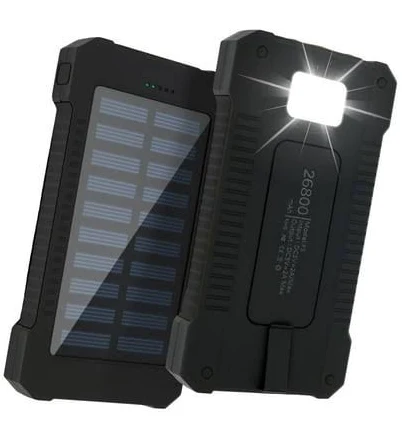
· Waterproof Phone Chargers & Cables
Solar Charger Power Bank
Moderate concern; waterproofing materials often contain PFAS without disclosure.
Waterproof adhesives and sealants in solar power banks may contain PFAS. The brand provides no PFAS transparency, making risk assessment difficult for consumers.
The better-graded swap
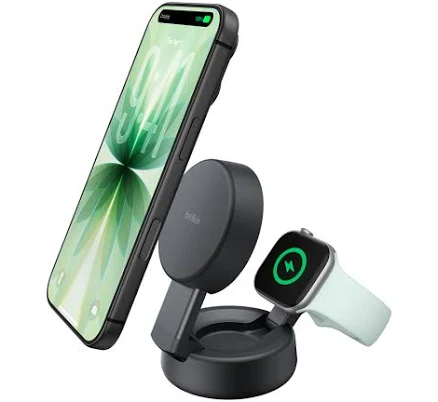
Belkin
Belkin UltraCharge Pro 2-in-1 Convertible Magnetic Charger
85/100 safety
Same rubric that flunked this product. The swap earned Excellent.
Still want this one anyway? Check the price on Amazon. We’d swap it.
Material
Plastic housing, Li-ion battery, solar panel with adhesive/epoxy, likely waterproof sealant
Lab data
No public lab test
You may also be interested in
Top-graded picks in the categories readers replace first, every one scored on the same rubric.

- polypropylene filter housing, carbon/sediment cartridge
- We found no PFAS statement from the brand
- Bacterial growth in spent cartridges
3 hazards checked on this product, all on its full breakdown.

Aquasure
Premier Series 75 GPD Under Sink Reverse Osmosis Water Filtration System
- RO membrane, carbon filters, stainless steel housing
- We found no PFAS statement from the brand
- Bacterial and microbial growth in housing and filters
4 hazards checked on this product, all on its full breakdown.

Avocado
Vegan Mattress
- organic cotton, natural latex, coconut coir, recycled steel coils
- The brand calls it PFAS-free, which we have not verified
- Heavy metals
2 hazards checked on this product, all on its full breakdown.
What Solar Charger Power Bank is made of, ingredients and materials
This unit combines a plastic housing (likely polycarbonate or ABS for durability), a lithium-ion rechargeable battery, and a solar panel bonded to the casing with adhesive or epoxy. The waterproof seal around the panel and any gaskets likely contain fluorinated compounds (PFAS) to repel moisture, a common practice in sealed electronics that are marketed as water-resistant. Plastic housings themselves are generally stable if undamaged, but adhesives and sealants degrade under UV exposure and heat stress over months to years.
What’s concerning
Category baseline
The starting point for this type of product, before anything specific to this product is counted.
No PFAS disclosure
No public statement from the brand about PFAS in this product.
Lithium-ion battery thermal runaway / fire risk
Solar chargers with Li-ion cells can overheat if the solar panel's charge controller fails or if the battery is physically damaged. Batteries have good safety records, but this risk is inherent to the chemistry and increases with age or impact damage.
Adhesive and epoxy leaching / offgassing
The epoxy bonding the solar panel and any internal adhesives can emit volatile organic compounds (VOCs) during the first weeks of use, especially in warm conditions. While not acutely toxic at typical consumer exposure levels, prolonged inhalation in poorly ventilated spaces (e.g., car interiors) may irritate airways.
Plastic housing degradation and microplastic release
Polycarbonate or ABS housings exposed to prolonged UV and thermal cycling can become brittle, crack, and shed microscopic particles. If the device is used primarily outdoors over years, the casing may fragment, especially if stressed during charging cycles.
PFAS
PFAS-containing waterproofing compounds (commonly used in sealed electronics) can leach into water if the seal fails or degrades. Although unlikely during normal use of a power bank, if the device is submerged or the seal is compromised, fluorinated compounds may enter groundwater or drinking water reservoirs.
Source, ATSDR ↗Coating or printed circuit board degradation
Printed circuit boards inside the charger may have flame retardant coatings containing heavy metals or brominated compounds. If the housing breaks, these materials are typically inert but could pose a hazard if ingested by children or pets.
What’s reassuring
Base material not linked to PFAS
The main material recorded for this product is not one associated with PFAS.
How is this PFAS grade calculated?
The brand's record and disclosure
The brand has not publicly disclosed the specific chemical composition of waterproofing or adhesive materials in this product category. The company has faced scrutiny for PFAS use in semiconductor manufacturing but has not committed to eliminating PFAS from consumer electronics seals and adhesives. No published recalls or safety advisories are on record for this solar charger model related to leachables or offgassing.
How it compares in its category
Solar power banks occupy a niche market; most competitors (Anker, Goal Zero, etc.) use similar plastic-and-epoxy construction with comparable waterproofing methods. The brand's version is mid-range in durability claims. The main differentiator is the brand's supply chain transparency, which is weaker than some rivals in disclosing adhesive and sealant chemistry for portable electronics.
If you buy it
Avoid prolonged exposure to direct sunlight when not in use (UV degrades adhesives and can accelerate PFAS migration from sealants). Do not intentionally heat the device or leave it in hot cars; keep it below 45°C to preserve battery and seal integrity. Replace it if the waterproof seal visibly cracks, peels, or leaks, as internal components may then be exposed to moisture. Store in a cool, dry place and inspect the adhesive line around the solar panel every 6-12 months for signs of separation.
What is not known about PFAS in this product?
- Basis
- Model estimate, 42% confidence, not a lab result
- Lab test
- None on record for this exact product
- Brand statement
- has made a specific claim
Formulations change between production runs, so check the current label. How we grade.
More waterproof phone chargers & cables grades
How we score, every product runs through the same public 0-100 rubric based on materials, coatings, brand disclosure, lab findings, and recalls. See the full methodology → Spotted a mistake? Report an error.