Techsmarter · Waterproof Phone Chargers & Cables
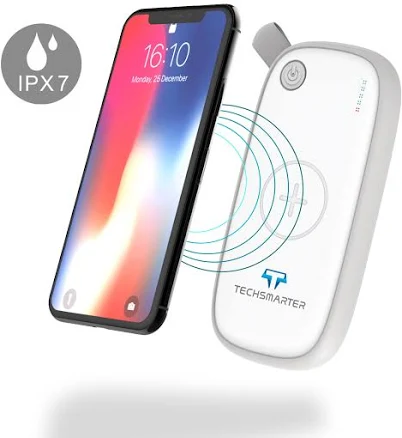
Techsmarter 10,000mAh Waterproof Wireless Power Bank
No coating described, and no PFAS statement from the brand.
The product information we reviewed describes plastic housing, with no water-repellent coating named. Water resistance on products like this usually comes from the material and its seals rather than a surface treatment. The brand has published no PFAS statement for it.
We flunk more products than we pass. This one earned its grade. How we grade
Material
Plastic housing
Brand disclosure
Brand is silent on PFAS
Lab data
No public lab test
You may also be interested in
Top-graded picks in the categories readers replace first, every one scored on the same rubric.

- polypropylene filter housing, carbon/sediment cartridge
- We found no PFAS statement from the brand
- Bacterial growth in spent cartridges
3 hazards checked on this product, all on its full breakdown.

Aquasure
Premier Series 75 GPD Under Sink Reverse Osmosis Water Filtration System
- RO membrane, carbon filters, stainless steel housing
- We found no PFAS statement from the brand
- Bacterial and microbial growth in housing and filters
4 hazards checked on this product, all on its full breakdown.

Avocado
Vegan Mattress
- organic cotton, natural latex, coconut coir, recycled steel coils
- The brand calls it PFAS-free, which we have not verified
- Heavy metals
2 hazards checked on this product, all on its full breakdown.
What Techsmarter 10,000mAh Power Bank is made of, ingredients and materials
The Techsmarter power bank uses a plastic housing (material type not specified in public data, likely ABS or polycarbonate). Plastic housings in power banks do not typically contain intentional lead, cadmium, or ceramic glazes. The waterproof rating (IP standard not detailed in available context) comes from sealed construction and material density, not water-repellent surface coatings that would introduce PFAS or other chemical hazards. No degradation or leaching risks are documented for standard thermoplastic housings used in this product category.
What’s concerning
Category baseline
The starting point for this type of product, before anything specific to this product is counted.
No PFAS disclosure
No public statement from the brand about PFAS in this product.
Microplastics
Repeated flexing, UV exposure, or thermal stress can cause plastic housing to crack or shed particles, particularly if the specific polymer is brittle. No data on this product's polymer grade or UV stabilizer package is publicly available.
Source, EPA ↗Battery electrolyte leakage if housing compromised
If seals fail or housing cracks, internal lithium battery electrolyte (typically LiPF6 in organic solvent) can contact skin or contaminate electronics. This is a physical integrity issue, not a chemical additive hazard, but damage to the plastic housing increases risk.
What’s reassuring
Base material not linked to PFAS
The main material recorded for this product is not one associated with PFAS.
Seal or gasket material safety (if non-specified)
Rubber or elastomer gaskets used to seal ports are not detailed in available product information. Standard silicone or EPDM gaskets do not pose known leaching hazards; however, unspecified elastomer materials are not confirmed.
Heavy metals
Power bank internals (printed circuit board, lithium battery cell) are subject to RoHS and CE certification in most markets, limiting lead and cadmium use. No specific non-compliance has been reported for Techsmarter products, but certification documentation is not publicly listed.
Source, FDA ↗Off-gassing or volatile organic compounds from plastic or adhesives
Thermoplastic housings and internal adhesives typically emit negligible VOCs at room temperature. No odor complaints or off-gassing incidents are documented for this product or brand.
How is this PFAS grade calculated?
The brand's record and disclosure
Techsmarter has made no public PFAS safety statement, and no coating or treatment is described in available product documentation. The brand has no major safety recalls or chemical controversies on record for this product line. Without specific material certification (RoHS, CE, or third-party chemical testing) listed in marketing materials, chemical safety relies on standard consumer electronics manufacturing practices and regulatory compliance in target markets.
How it compares in its category
Waterproof power banks typically use sealed plastic or rubber housings without chemical water-repellent treatments, making this product's hazard profile typical for the category. Branded competitors (Anker, RAVPower) similarly avoid PFAS-heavy coatings in this form factor. The absence of fabric, leather, or metal coating elements (common in higher-end designs) further reduces chemical risk exposure compared to hybrid or luxury variants.
If you buy it
Avoid prolonged exposure to heat above 40-50C, as plastic housing can degrade and internal battery management electronics may fail. Keep the charging ports and seal dry; inspect the rubber gaskets annually for cracks or peeling, and replace the unit if seals visibly deteriorate. Do not disassemble or attempt to refurbish the housing, as plastic fragments and battery electrolyte pose chemical and electrical hazards. Store at room temperature and away from direct sunlight to extend lifespan and prevent plastic brittleness.
What is not known about PFAS in this product?
- Basis
- Model estimate, 45% confidence, not a lab result
- Lab test
- None on record for this exact product
- Brand statement
- Techsmarter has made none
Formulations change between production runs, so check the current label. How we grade.
More waterproof phone chargers & cables grades
How we score, every product runs through the same public 0-100 rubric based on materials, coatings, brand disclosure, lab findings, and recalls. See the full methodology → Spotted a mistake? Report an error.