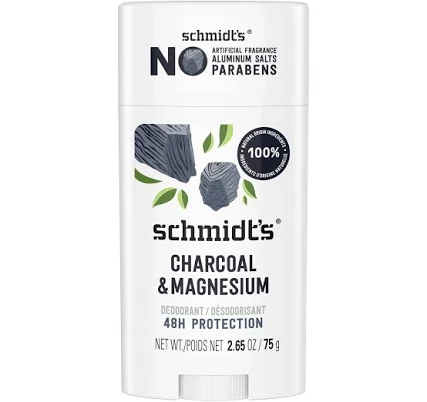
Schmidt's Deodorant
Lower concern; natural stick with no known PFAS triggers, but brand offers no disclosure.
Schmidt's stick deodorant uses mineral powders and plant waxes with lower inherent PFAS risk. The brand makes no PFAS-free claims or hold certifications, and no public lab data or recalls exist.
We flunk more products than we pass. This one earned its grade. How we grade
Material
Natural mineral powders, plant-based waxes, arrowroot powder
Brand disclosure
Brand is silent on PFAS
Lab data
No public lab test
You may also be interested in
Top-graded picks in the categories readers replace first, every one scored on the same rubric.

- polypropylene filter housing, carbon/sediment cartridge
- We found no PFAS statement from the brand
- Bacterial growth in spent cartridges
3 hazards checked on this product, all on its full breakdown.

Aquasure
Premier Series 75 GPD Under Sink Reverse Osmosis Water Filtration System
- RO membrane, carbon filters, stainless steel housing
- We found no PFAS statement from the brand
- Bacterial and microbial growth in housing and filters
4 hazards checked on this product, all on its full breakdown.

Avocado
Vegan Mattress
- organic cotton, natural latex, coconut coir, recycled steel coils
- The brand calls it PFAS-free, which we have not verified
- Heavy metals
2 hazards checked on this product, all on its full breakdown.
What Schmidt's Deodorant is made of, ingredients and materials
Schmidt's natural deodorants use mineral powders (typically magnesium hydroxide or arrowroot), plant-based waxes (coconut oil, shea butter), and arrowroot starch as the base. This composition avoids synthetic polymers and aluminum salts common in antiperspirants, reducing chemical load. The stick format minimizes packaging leachables and eliminates spray propellant exposure. Plant wax bases are stable at room temperature and pose minimal leaching risk under normal storage.
What’s concerning
Category baseline
The starting point for this type of product, before anything specific to this product is counted.
No PFAS disclosure
No public statement from the brand about PFAS in this product.
Fragrance allergens (natural essential oils or synthetic fragrance)
Schmidt's uses fragrance blends marketed as natural; essential oils can trigger contact dermatitis or respiratory sensitivity in individuals with fragrance sensitivities. Specific allergens depend on scent variant, but common oils (lavender, tea tree) are known irritants for some users.
Baking soda sensitivity (in some formulations)
Some Schmidt's variants include baking soda, which elevates skin pH and can cause irritation, redness, or rash in sensitive individuals. Users with compromised skin barriers or history of contact dermatitis should check ingredient label and test before full use.
Skin barrier disruption from high alkalinity
If the product contains baking soda without acid buffer, application to underarms may temporarily raise skin pH, potentially compromising the acid mantle. This is reversible and temporary but may cause discomfort in those with sensitive skin or eczema.
What’s reassuring
Base material not linked to PFAS
The main material recorded for this product is not one associated with PFAS.
Heavy metals
Magnesium hydroxide and arrowroot are low-risk mineral sources, and no recalls or testing reports indicate lead, cadmium, or arsenic contamination in Schmidt's products. However, the brand does not publish independent heavy metal testing, so absence of reports does not guarantee zero risk.
Source, FDA ↗Microplastic or undeclared synthetic additives
Natural stick formulations do not inherently contain microplastics; plant waxes degrade naturally. Schmidt's ingredient lists are publicly available and do not flag synthetic polymer additives, though independent verification of formulation consistency across batches is not publicly available.
How is this PFAS grade calculated?
The brand's record and disclosure
Schmidt's markets itself on natural positioning and publishes ingredient lists publicly, supporting consumer transparency. The brand does not explicitly disclose PFAS testing or make formal PFAS-free claims, which is a gap in modern personal care communication. No significant product recalls or contamination incidents are on record for Schmidt's deodorants. The brand holds certifications from various natural product organizations, though these do not independently verify heavy metal or microcontaminant absence.
How it compares in its category
Natural stick deodorants like Schmidt's rank lower in chemical complexity than aluminum-based antiperspirants or spray formats. Most conventional deodorants contain synthetic fragrances and preservatives not present in Schmidt's formulations. Schmidt's avoids talc (a known contamination concern in powder cosmetics) by substituting arrowroot, which is a meaningful safety advantage. Compared to synthetic alternatives, this product's formulation carries fewer known irritant triggers for sensitive skin.
If you buy it
Store in a cool, dry location to prevent wax softening; direct sun or heat above 75°F may degrade the stick structure. Replace when fully consumed or if the stick becomes crumbly, typically every 2-3 months with daily use. If skin irritation develops, patch test first; some users report sensitivity to specific plant oils like coconut or baking soda (if present in certain formulations). Apply to clean, dry underarms only; avoid eyes and broken skin.
What is not known about PFAS in this product?
- Basis
- Model estimate, 78% confidence, not a lab result
- Lab test
- None on record for this exact product
- Brand statement
- Schmidt's has made none
Formulations change between production runs, so check the current label. How we grade.
What are the PFAS-free alternatives to Schmidt's Deodorant?
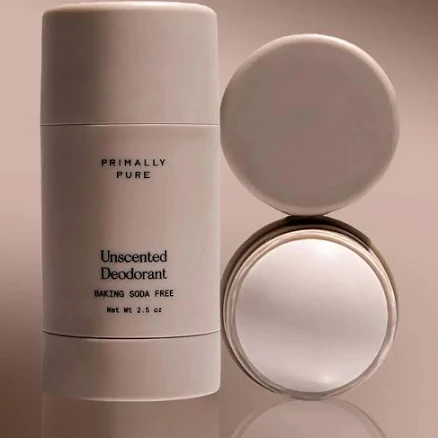
- mineral-based powder blend (arrowroot, magnesium hydroxide, mica)
- We found no PFAS statement from the brand
- Skin irritation from magnesium hydroxide alkalinity
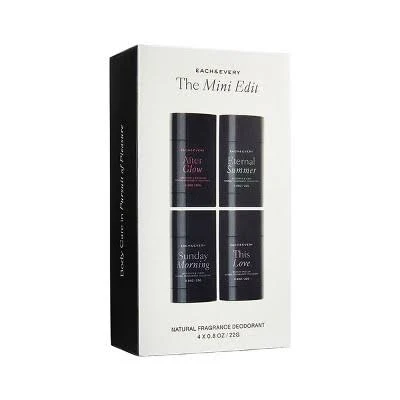
- cosmetic formulations, primary ingredients listed
- A third party reports verifying it as PFAS-free
- Fragrance allergens (natural essential oils)
2 hazards checked on this product, all on its full breakdown.
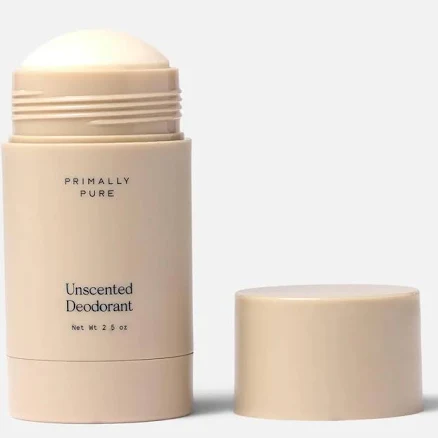
- natural mineral powders, plant-based actives, beeswax
- We found no PFAS statement from the brand
- Beeswax purity and contamination
2 hazards checked on this product, all on its full breakdown.
More deodorant grades
How we score, every product runs through the same public 0-100 rubric based on materials, coatings, brand disclosure, lab findings, and recalls. See the full methodology → Spotted a mistake? Report an error.