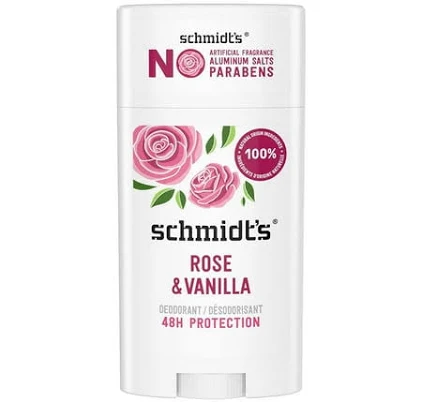
Schmidt's Deodorant Rose and Vanilla
Lower PFAS concern; simple mineral deodorant with no identified risk triggers.
Schmidt's Rose and Vanilla is a natural mineral-based stick with no known PFAS-associated ingredients or coatings. Deodorants typically need no water-resistant or nonstick treatments commonly containing PFAS.
We flunk more products than we pass. This one earned its grade. How we grade
Material
natural mineral-based powder stick (arrowroot, shea butter, coconut oil base)
Brand disclosure
Brand is silent on PFAS
Lab data
No public lab test
You may also be interested in
Top-graded picks in the categories readers replace first, every one scored on the same rubric.

- polypropylene filter housing, carbon/sediment cartridge
- We found no PFAS statement from the brand
- Bacterial growth in spent cartridges
3 hazards checked on this product, all on its full breakdown.

Aquasure
Premier Series 75 GPD Under Sink Reverse Osmosis Water Filtration System
- RO membrane, carbon filters, stainless steel housing
- We found no PFAS statement from the brand
- Bacterial and microbial growth in housing and filters
4 hazards checked on this product, all on its full breakdown.

Avocado
Vegan Mattress
- organic cotton, natural latex, coconut coir, recycled steel coils
- The brand calls it PFAS-free, which we have not verified
- Heavy metals
2 hazards checked on this product, all on its full breakdown.
What Schmidt's Deodorant Rose and Vanilla is made of, ingredients and materials
Schmidt's Rose and Vanilla is a stick deodorant built on arrowroot powder, shea butter, and coconut oil, all common food-grade or cosmetic-grade naturals with minimal processing. The formula contains no aluminum salts (antiperspirant active), no synthetic polymers, and no talc, which removes three major historical hazard pathways in the deodorant category. Essential oils and fragrance compounds provide scent; the brand does not disclose full fragrance components, which is standard industry practice but limits transparency on potential allergens.
What’s concerning
Category baseline
The starting point for this type of product, before anything specific to this product is counted.
No PFAS disclosure
No public statement from the brand about PFAS in this product.
Fragrance allergens (essential oils and fragrance compounds)
Rose and vanilla formulations typically use essential oil blends and fragrance compounds. Schmidt's does not disclose full fragrance component lists. Contact dermatitis or sensitization can occur in individuals with fragrance sensitivity, though incidence is low in the general population.
Skin irritation from essential oils
Rose essential oil and related botanicals can cause irritation, redness, or rash in sensitive individuals when applied repeatedly to underarm skin. No incidents specific to this product are on record, but essential oil-based deodorants carry this general risk.
Coconut oil comedogenicity
Coconut oil is moderately comedogenic and may trigger acne or folliculitis in individuals prone to underarm sensitivity or in hot, humid climates where sweat traps the occlusive oil base.
What’s reassuring
Base material not linked to PFAS
The main material recorded for this product is not one associated with PFAS.
Talc absence mitigates historical lung risk
This product contains arrowroot, not talc. Arrowroot powder has not been linked to mesothelioma or lung disease in the way talc has, reducing a historical category hazard.
Heavy metals
No heavy metal contamination has been reported in Schmidt's products. Arrowroot, shea butter, and coconut oil are unlikely vectors for lead or cadmium; pigments (if used for color) would be disclosed on label.
Source, FDA ↗How is this PFAS grade calculated?
The brand's record and disclosure
Schmidt's has built its market position around 'natural' positioning and has faced no major product recalls or safety warnings on record. The brand does not publish PFAS testing data or make explicit PFAS avoidance claims, which aligns with most conventional deodorant makers, this is neither a red flag nor proof of absence. Schmidt's does list ingredients on packaging and online; no regulatory or third-party investigations of this product line have been publicly documented.
How it compares in its category
Mineral-oil and powder-based sticks like this sit in the lower-risk segment of deodorants compared to spray aerosols (which carry inhalation risk) and antiperspirants with aluminum salts (systemic absorption concern, though debated). Natural stick deodorants have become mainstream and carry different risk profiles than synthetic ones, but arrowroot and oil bases are linked to fewer known irritants than talc or certain synthetic polymers. Schmidt's pricing and availability reflect mainstream consumer acceptance rather than niche positioning.
If you buy it
Store in cool, dry conditions to prevent softening or separation of oils and powders. Patch-test on inner arm if you have sensitive skin, as essential oils (especially in rose formulations) can trigger contact dermatitis in a small percentage of users. Replace when noticeably depleted or if you notice rancid odor (sign of coconut oil degradation). No special maintenance needed; this is a single-use disposable product.
What is not known about PFAS in this product?
- Basis
- Model estimate, 78% confidence, not a lab result
- Lab test
- None on record for this exact product
- Brand statement
- Schmidt's has made none
Formulations change between production runs, so check the current label. How we grade.
What are the PFAS-free alternatives to Schmidt's Deodorant Rose and Vanilla?
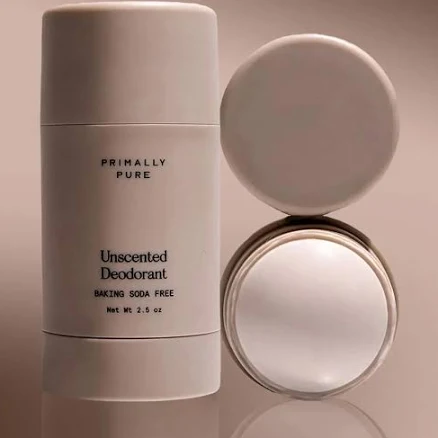
- mineral-based powder blend (arrowroot, magnesium hydroxide, mica)
- We found no PFAS statement from the brand
- Skin irritation from magnesium hydroxide alkalinity
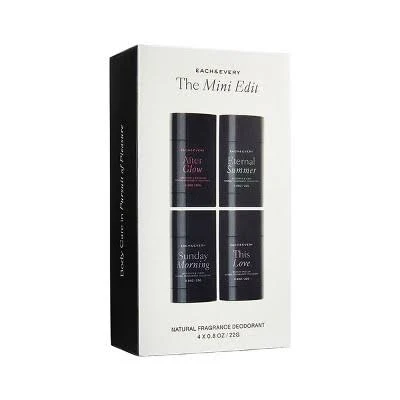
- cosmetic formulations, primary ingredients listed
- A third party reports verifying it as PFAS-free
- Fragrance allergens (natural essential oils)
2 hazards checked on this product, all on its full breakdown.
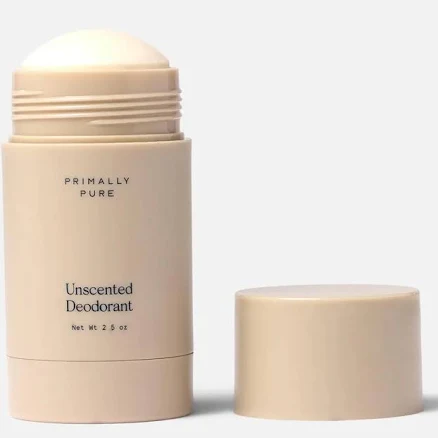
- natural mineral powders, plant-based actives, beeswax
- We found no PFAS statement from the brand
- Beeswax purity and contamination
2 hazards checked on this product, all on its full breakdown.
More deodorant grades
How we score, every product runs through the same public 0-100 rubric based on materials, coatings, brand disclosure, lab findings, and recalls. See the full methodology → Spotted a mistake? Report an error.