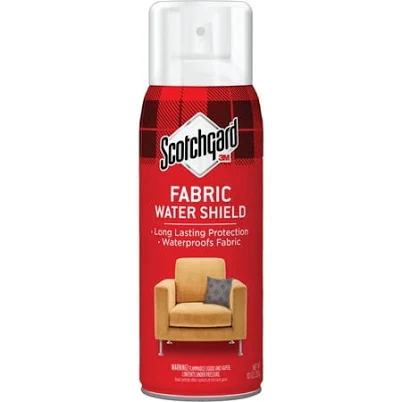
Scotchgard · Fabric Stain Guard Sprays
Scotchgard Fabric and Upholstery Protector Spray
Fluorochemical coating for stain and water repellency, composition not disclosed.
This spray applies a proprietary fluorochemical-based coating for stain and water repellency. The brand has no PFAS statement on record. Fluorochemical stain treatments have historically used PFAS compounds.
Still want this one anyway? Check the price on Amazon. We’d swap it.
Material
Proprietary fluorochemical-based stain and water repellent coating
Lab data
No public lab test
You may also be interested in
Top-graded picks in the categories readers replace first, every one scored on the same rubric.

- polypropylene filter housing, carbon/sediment cartridge
- We found no PFAS statement from the brand
- Bacterial growth in spent cartridges
3 hazards checked on this product, all on its full breakdown.

Aquasure
Premier Series 75 GPD Under Sink Reverse Osmosis Water Filtration System
- RO membrane, carbon filters, stainless steel housing
- We found no PFAS statement from the brand
- Bacterial and microbial growth in housing and filters
4 hazards checked on this product, all on its full breakdown.

Avocado
Vegan Mattress
- organic cotton, natural latex, coconut coir, recycled steel coils
- The brand calls it PFAS-free, which we have not verified
- Heavy metals
2 hazards checked on this product, all on its full breakdown.
What Scotchgard Fabric Protector Spray is made of, ingredients and materials
Scotchgard Fabric Protector uses proprietary fluorochemical compounds (PFAS-class chemistry) to create water and oil repellency on fabric surfaces. The exact molecular composition is not publicly disclosed by 3M, the manufacturer. These fluorochemicals bind to fabric fibers and remain on the material long-term, creating a persistent coating that resists breakdown. The mechanism works by lowering the surface tension of liquids, but the trade-off is introduction of chemicals with known bioaccumulation potential into your home textiles.
What’s concerning
Category baseline
The starting point for this type of product, before anything specific to this product is counted.
Vague safety claims only
Uses vague language ("eco-friendly", "clean") without a specific PFAS statement.
Waterproof / stain-resistant treatment
Water-repellent coating treatments have historically used PFAS.
Respiratory exposure during application
Spray application releases aerosolized fluorochemical particles and propellant into the breathing zone. While 3M recommends ventilation, no published data on safe exposure limits or long-term inhalation effects of repeated amateur application exists in public records.
Shedding into household dust and washwater
Fabric protector coatings are known to degrade and shed over time, releasing fluorochemicals into laundry water and ambient dust. Studies of household dust in PFAS-treated homes show elevated fluorochemical levels, though causation to health outcomes is not yet definitively established.
Lack of ingredient transparency and batch consistency
Proprietary formulation means consumers cannot verify what fluorochemicals are used, whether they include legacy PFOA, or what impurities may be present. This prevents informed risk assessment and complicates any future product recalls or health investigations.
Chemical persistence in soft furnishings and repeated exposure routes
Fluorochemicals in fabric coatings do not biodegrade and persist in treated furniture for years. Cumulative household exposure through multiple treated items, combined with dust inhalation and dermal contact, may exceed what any single application risk assessment accounts for.
What’s reassuring
Formaldehyde / VOCs
No published testing data found for VOC or formaldehyde emissions from Scotchgard after application. However, spray-applied treatments often use solvent carriers; specific safety testing on this product is not available in public databases.
Source, ATSDR ↗How is this PFAS grade calculated?
The brand's record and disclosure
3M (Scotchgard's parent company) has faced multiple PFAS-related lawsuits and settlements, including a 2023 agreement to phase out PFOA-based formulations by 2025, yet has not disclosed whether fabric protector formulas have already been reformulated. The company maintains that current Scotchgard products pose lower concern at labeled use rates, but does not publish ingredient lists or third-party safety testing results. No major independent certifications (Green Guard, Safer Choice, etc.) appear on the product packaging. The brand's opacity about fluorochemical specifics is itself a significant disclosure red flag.
How it compares in its category
Fabric protectors fall into two groups, fluorochemical-based (Scotchgard, similar spray products) and non-fluorinated alternatives (silicone-based or plant-derived wax coatings). Fluorochemical options offer superior water and oil repellency but carry PFAS persistence concerns. Non-fluorinated protectors exist from brands like Fabric Guard (silicone-based) and several eco-focused producers, though these generally offer weaker stain resistance and shorter durability. Scotchgard occupies the premium-performance end of the market but at the cost of chemical transparency.
If you buy it
Apply only in well-ventilated spaces to minimize inhalation exposure during spraying. Do not spray on items that will contact skin directly (baby blankets, pillows) or on fabric used by people with chemical sensitivities. Reapply every 6-12 months as the coating degrades with washing and use. Once applied, the fluorochemical coating will shed into washwater and household dust, making it difficult to contain. Consider whether the stain resistance benefit justifies the persistent chemical input into your home environment, especially for furniture that will be used long-term.
What is not known about PFAS in this product?
- Basis
- Model estimate, 35% confidence, not a lab result
- Lab test
- None on record for this exact product
- Brand statement
- Scotchgard has made a specific claim
Formulations change between production runs, so check the current label. How we grade.
What are the PFAS-free alternatives to Scotchgard Fabric and Upholstery Protector Spray?
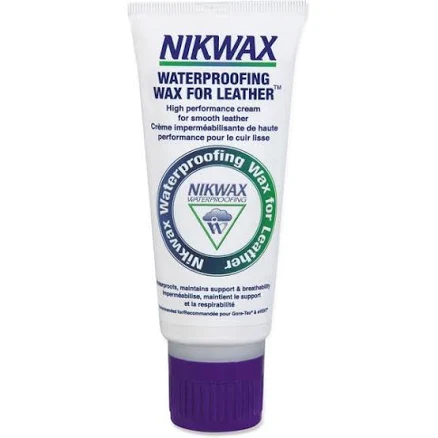
- wax-based waterproofing
- The brand calls it PFAS-free, which we have not verified
- Respiratory irritation or fume inhalation during application
2 hazards checked on this product, all on its full breakdown.
Find an alternative on Amazon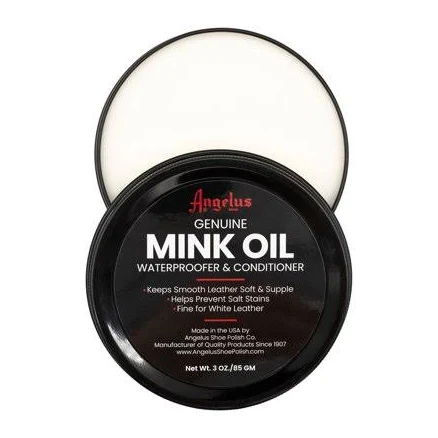
- mink oil paste, natural oil-based conditioner
- We found no PFAS statement from the brand
- Microbial growth (natural oil rancidity)
2 hazards checked on this product, all on its full breakdown.
Find an alternative on Amazon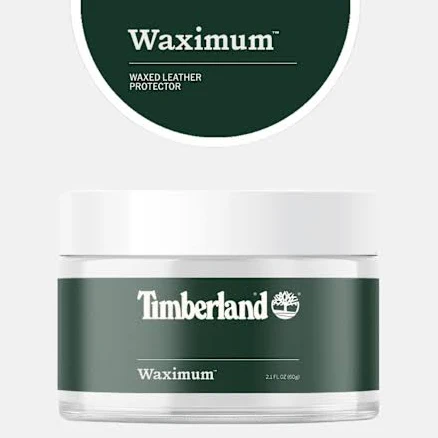
- Wax-based leather protector
- We found no PFAS statement from the brand
- Volatile organic compounds (VOCs) from solvents
3 hazards checked on this product, all on its full breakdown.
Find an alternative on AmazonMore fabric stain guard sprays grades
How we score, every product runs through the same public 0-100 rubric based on materials, coatings, brand disclosure, lab findings, and recalls. See the full methodology → Spotted a mistake? Report an error.