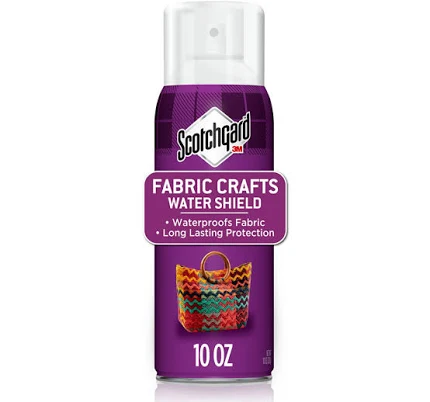
Scotchgard · Fabric Stain Guard Sprays
Scotchgard Fabric Crafts Water Shield
Skip. Scotchgard's modern formula opacity and waterproofing history warrant caution.
Scotchgard Fabric Crafts applies a water-repellent treatment to textiles. The brand provides no PFAS disclosure or testing data, and the coating's exact chemistry remains proprietary.
Still want this one anyway? Check the price on Amazon. We’d swap it.
Material
Fabric water repellent coating, formulation undisclosed
Lab data
No public lab test
You may also be interested in
Top-graded picks in the categories readers replace first, every one scored on the same rubric.

- polypropylene filter housing, carbon/sediment cartridge
- We found no PFAS statement from the brand
- Bacterial growth in spent cartridges
3 hazards checked on this product, all on its full breakdown.

Aquasure
Premier Series 75 GPD Under Sink Reverse Osmosis Water Filtration System
- RO membrane, carbon filters, stainless steel housing
- We found no PFAS statement from the brand
- Bacterial and microbial growth in housing and filters
4 hazards checked on this product, all on its full breakdown.

Avocado
Vegan Mattress
- organic cotton, natural latex, coconut coir, recycled steel coils
- The brand calls it PFAS-free, which we have not verified
- Heavy metals
2 hazards checked on this product, all on its full breakdown.
What Scotchgard Fabric Crafts Water Shield is made of, ingredients and materials
Scotchgard Fabric Crafts Water Shield is a spray-on fabric coating with an undisclosed active formulation. The product is designed to repel water and oil from textiles, which historically has relied on fluorochemical compounds (PFAS-class molecules) to achieve durable water resistance. Without public ingredient disclosure, the exact chemistry cannot be verified; Scotchgard has not published reformulation announcements or safety data sheets for consumer craft products that would clarify whether modern versions use alternative chemistries or legacy fluorocarbon chemistry.
What’s concerning
Waterproof / stain-resistant treatment
Water-repellent coating treatments have historically used PFAS.
Category baseline
The starting point for this type of product, before anything specific to this product is counted.
No PFAS disclosure
No public statement from the brand about PFAS in this product.
Inhalation risk from spray application
Fabric water repellent sprays generate fine aerosol particles during application. While the specific toxicity of this product's active ingredients is not publicly disclosed, spray inhalation is a documented route of exposure for any aerosolized coating; proper ventilation is essential but not always feasible in craft/home settings.
Skin and mucous membrane irritation from undisclosed additives
Spray formulations typically include propellants, surfactants, and carriers to suspend the active repellent. Scotchgard does not publish a full ingredient list for this product, making it impossible to assess whether common irritants (e.g., isopropanol, fragrance, silica) are present at concerning concentrations.
PFAS
If this product retains fluorocarbon chemistry (highly probable given brand history and silence on reformulation), PFAS compounds will persist in treated fabric, household dust, and eventually soil and water via laundry. These compounds bioaccumulate and are not biodegraded in standard wastewater treatment.
Source, ATSDR ↗Coating degradation and microparticle shedding
As the water-repellent coating wears over months of use and washing, microscopic particles of the polymer matrix may shed into the environment. The composition of these particles depends on the base material, which is unknown for this product.
Lack of consumer safety data or certifications
No Safety Data Sheet is publicly available for consumer purchase units, and the product carries no third-party safety certifications. This absence of transparency is unusual for fabric treatments marketed for home and craft use and limits independent risk assessment.
How is this PFAS grade calculated?
The brand's record and disclosure
Scotchgard (3M subsidiary) faces a documented history of PFAS reliance in water-repellent textiles and has faced legal settlements and state restrictions related to PFAS contamination. The brand has been notably silent on reformulation timelines for consumer fabric spray products, in contrast to some competitors who have published PFAS-free or alternative-chemistry claims. No current certifications (e.g., OEKO-TEX, GOTS, Bluesign) are advertised for this specific product, and third-party testing of current batches is not available in public records.
How it compares in its category
Fabric water repellents span a spectrum, some brands have moved to fluorine-free polymers or wax-based systems, while others retain legacy fluorochemical formulas. Scotchgard's silence on reformulation puts this product in the less transparent tier. Consumer-grade alternatives from brands like Nikwax or specialty craft sealers often disclose their PFAS-free status or use of non-fluorinated siloxanes, making comparison purchasing easier. The craft category (home use, small textiles) does not require the same disclosure as commercial textile finishing, allowing manufacturers to avoid public ingredient lists.
If you buy it
Apply outdoors or in well-ventilated spaces to minimize inhalation of spray particles. Treated fabrics should be aired thoroughly before skin contact. Do not apply to items for infants or high-contact skin wear without additional research into batch-specific formulation. For craft projects, consider water-based or PFAS-free alternatives first; if you choose this product, buy the smallest quantity and test on scrap fabric. Replacement or reapplication timing depends on wash frequency; most fabric treatments degrade over 6-12 months of regular use.
What is not known about PFAS in this product?
- Basis
- Model estimate, 35% confidence, not a lab result
- Lab test
- None on record for this exact product
- Brand statement
- Scotchgard has made a specific claim
Formulations change between production runs, so check the current label. How we grade.
What are the PFAS-free alternatives to Scotchgard Fabric Crafts Water Shield?
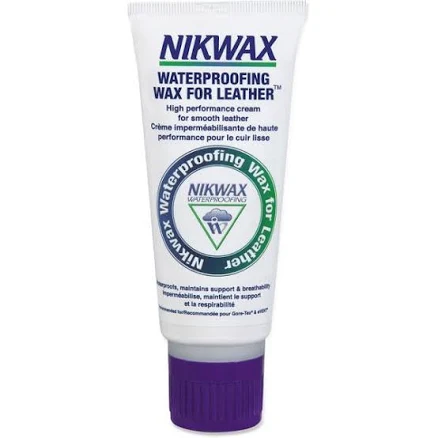
- wax-based waterproofing
- The brand calls it PFAS-free, which we have not verified
- Respiratory irritation or fume inhalation during application
2 hazards checked on this product, all on its full breakdown.
Find an alternative on Amazon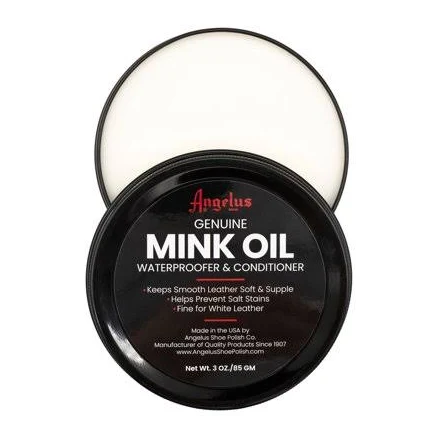
- mink oil paste, natural oil-based conditioner
- We found no PFAS statement from the brand
- Microbial growth (natural oil rancidity)
2 hazards checked on this product, all on its full breakdown.
Find an alternative on Amazon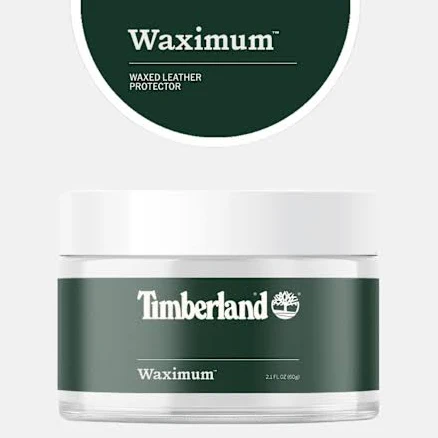
- Wax-based leather protector
- We found no PFAS statement from the brand
- Volatile organic compounds (VOCs) from solvents
3 hazards checked on this product, all on its full breakdown.
Find an alternative on AmazonMore fabric stain guard sprays grades
How we score, every product runs through the same public 0-100 rubric based on materials, coatings, brand disclosure, lab findings, and recalls. See the full methodology → Spotted a mistake? Report an error.