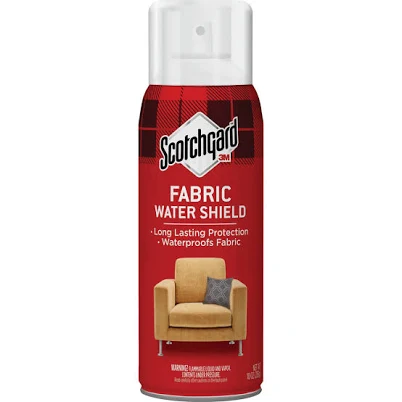
Scotchgard · Fabric Stain Guard Sprays
Scotchgard Fabric Protector
Historical PFAS use; current formula status unclear. Skip until verified.
Scotchgard fabric protector historically used PFOA-based chemistry. 3M has phased some formulations, but ingredient transparency remains limited. No public PFAS-free certification available.
Still want this one anyway? Check the price on Amazon. We’d swap it.
Material
polymer-based water and stain repellent coating
Lab data
No public lab test
You may also be interested in
Top-graded picks in the categories readers replace first, every one scored on the same rubric.

- polypropylene filter housing, carbon/sediment cartridge
- We found no PFAS statement from the brand
- Bacterial growth in spent cartridges
3 hazards checked on this product, all on its full breakdown.

Aquasure
Premier Series 75 GPD Under Sink Reverse Osmosis Water Filtration System
- RO membrane, carbon filters, stainless steel housing
- We found no PFAS statement from the brand
- Bacterial and microbial growth in housing and filters
4 hazards checked on this product, all on its full breakdown.

Avocado
Vegan Mattress
- organic cotton, natural latex, coconut coir, recycled steel coils
- The brand calls it PFAS-free, which we have not verified
- Heavy metals
2 hazards checked on this product, all on its full breakdown.
What Scotchgard Fabric Protector is made of, ingredients and materials
Scotchgard Fabric Protector is a polymer-based water and stain repellent coating applied to textiles. Historically, Scotchgard formulations relied on fluorinated compounds (PFAS) for water and oil repellency. 3M has reformulated some product lines away from legacy PFAS, but the current Fabric Protector formula composition is not publicly detailed on the consumer-facing label or standard safety documentation. This opacity makes it difficult to confirm whether PFAS or alternative chemistry is in use.
What’s concerning
Waterproof / stain-resistant treatment
Water-repellent coating treatments have historically used PFAS.
Category baseline
The starting point for this type of product, before anything specific to this product is counted.
Vague safety claims only
Uses vague language ("eco-friendly", "clean") without a specific PFAS statement.
Inhalation risk from spray application
Fabric protector sprays generate fine aerosol particles. While the active ingredients are not known to be acutely toxic at spray concentrations, inhaling mist can irritate lungs and airways, particularly in people with asthma or reactive airway disease. Ventilation and avoiding face-level spraying minimize this risk.
Respiratory sensitization or irritation in occupational exposure
Professional applicators or frequent heavy users may face cumulative inhalation exposure. Non-occupational household use presents negligible risk if applied outdoors or in well-ventilated spaces and allowed to dry before contact.
Fabric degradation or discoloration over time
Isolated user reports indicate that repeated Scotchgard applications can slightly alter fabric appearance or feel, particularly on delicate materials. This is a cosmetic or durability issue rather than a health hazard, but affects product value.
PFAS
If the current formula contains fluorinated compounds, they will persist in the environment and potentially accumulate in the body and water supplies over time. This hazard cannot be confirmed without formula disclosure but remains a concern given the brand's historical PFAS use and lack of public reassurance.
Source, ATSDR ↗What’s reassuring
Skin sensitization from uncured coating
No established reports of skin reactions from dried Scotchgard Fabric Protector in published literature. However, wet or freshly applied spray may cause mild irritation if contacted directly; this is a general property of polymer coatings rather than a specific concern with this brand.
How is this PFAS grade calculated?
The brand's record and disclosure
3M (maker of Scotchgard) faced significant PFAS litigation in the 2000s-2020s over historical use of perfluorooctane and related compounds in stain guards. The company has not made clear, product-specific public statements about current Fabric Protector formulation or PFAS content. 3M publishes safety data sheets, but consumer-level transparency about fluorinated vs. non-fluorinated variants remains limited. This silence, combined with the product's long association with PFAS, warrants skepticism.
How it compares in its category
Fabric protector sprays occupy a niche market with competing brands (Guardsman, Resolve On-Guard, store brands) and many non-fluorinated or plant-based alternatives (beeswax, silicone, citrus-derived repellents). Scotchgard remains a recognized brand but faces reputational headwinds from PFAS history. Consumers seeking transparency or PFAS-free options now have more validated alternatives with explicit certification or third-party testing available.
If you buy it
Apply in well-ventilated areas to avoid inhalation of spray mist, which may cause respiratory irritation in sensitive individuals. Test on a hidden area first to confirm no discoloration or texture change. Allow full drying time (typically 4-24 hours depending on fabric) before contact with skin or food. Reapply as directed (usually annually or after washing), and verify that your fabric care instructions permit spray application before use.
What is not known about PFAS in this product?
- Basis
- Model estimate, 45% confidence, not a lab result
- Lab test
- None on record for this exact product
- Brand statement
- Scotchgard has made a specific claim
Formulations change between production runs, so check the current label. How we grade.
What are the PFAS-free alternatives to Scotchgard Fabric Protector?
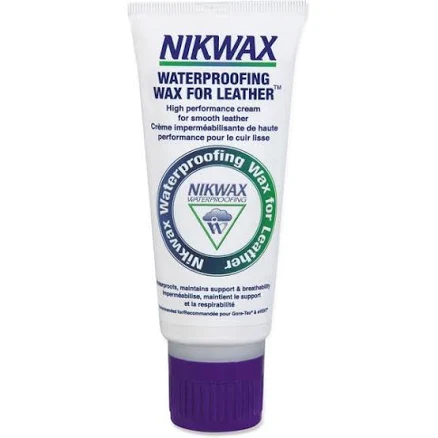
- wax-based waterproofing
- The brand calls it PFAS-free, which we have not verified
- Respiratory irritation or fume inhalation during application
2 hazards checked on this product, all on its full breakdown.
Find an alternative on Amazon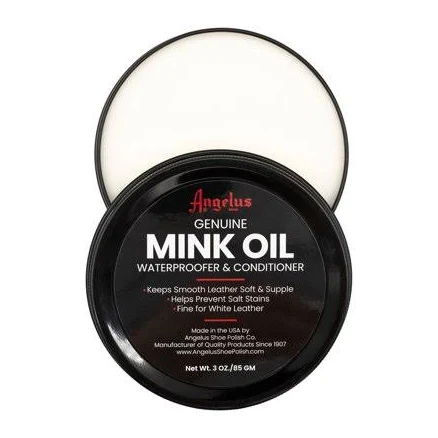
- mink oil paste, natural oil-based conditioner
- We found no PFAS statement from the brand
- Microbial growth (natural oil rancidity)
2 hazards checked on this product, all on its full breakdown.
Find an alternative on Amazon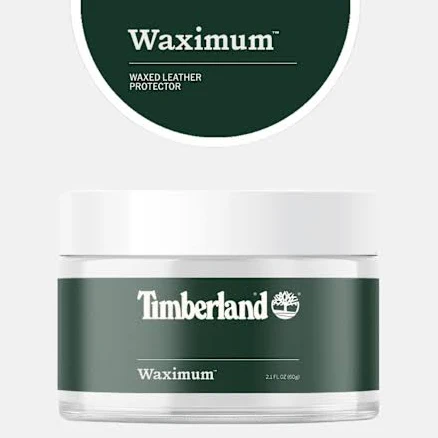
- Wax-based leather protector
- We found no PFAS statement from the brand
- Volatile organic compounds (VOCs) from solvents
3 hazards checked on this product, all on its full breakdown.
Find an alternative on AmazonMore fabric stain guard sprays grades
How we score, every product runs through the same public 0-100 rubric based on materials, coatings, brand disclosure, lab findings, and recalls. See the full methodology → Spotted a mistake? Report an error.