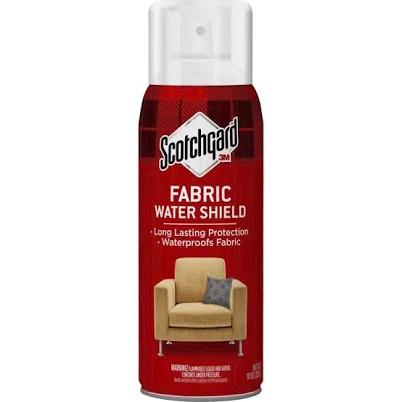
Scotchgard · Fabric Stain Guard Sprays
Scotchgard Fabric Protector 10 oz.
High PFAS risk. Skip until 3M discloses ingredient specifics.
Scotchgard uses fluorochemical repellent coatings, a known PFAS application. 3M hasn't disclosed whether this product still contains PFAS or has reformulated.
Still want this one anyway? Check the price on Amazon. We’d swap it.
Material
Fluorochemical water and stain repellent coating
Lab data
No public lab test
You may also be interested in
Top-graded picks in the categories readers replace first, every one scored on the same rubric.

- polypropylene filter housing, carbon/sediment cartridge
- We found no PFAS statement from the brand
- Bacterial growth in spent cartridges
3 hazards checked on this product, all on its full breakdown.

Aquasure
Premier Series 75 GPD Under Sink Reverse Osmosis Water Filtration System
- RO membrane, carbon filters, stainless steel housing
- We found no PFAS statement from the brand
- Bacterial and microbial growth in housing and filters
4 hazards checked on this product, all on its full breakdown.

Avocado
Vegan Mattress
- organic cotton, natural latex, coconut coir, recycled steel coils
- The brand calls it PFAS-free, which we have not verified
- Heavy metals
2 hazards checked on this product, all on its full breakdown.
What Scotchgard Fabric Protector 10 oz. is made of, ingredients and materials
Scotchgard Fabric Protector is a fluorochemical-based spray coating designed to repel water and oil from fabric fibers. The active ingredient is almost certainly a fluorinated compound (likely a fluorocarbon or perfluoroalkyl substance), though 3M does not publicly specify which one. Fluorochemicals bond to fabric at the molecular level, creating a durable barrier; however, this same persistence is why PFAS accumulation in the environment and human body is a concern. The 10 oz aerosol format means you are applying this directly indoors with potential for inhalation exposure during and shortly after spraying.
What’s concerning
Category baseline
The starting point for this type of product, before anything specific to this product is counted.
No PFAS disclosure
No public statement from the brand about PFAS in this product.
Waterproof / stain-resistant treatment
Water-repellent coating treatments have historically used PFAS.
Inhalation exposure from aerosol spray
The 10 oz aerosol format creates fine mist that may be inhaled during application and for a brief period afterward. While acute toxicity data for fluorochemicals in Scotchgard is limited in public sources, any inhalation of fluorinated compounds during spray application represents a direct exposure route that topical or finished-product contact does not.
Off-gassing or VOC emissions post-application
Fabric-applied fluorochemical coatings may release volatile organic compounds or unreacted fluorochemical monomers into indoor air for hours to days after application. 3M does not publicly quantify VOC content or provide off-gassing data for this specific product, making it impossible to assess indoor air quality impact.
Persistence in treated fabric and laundering runoff
Fluorochemical coatings are designed to survive repeated washing, meaning PFAS molecules are released into wastewater during laundering of treated fabrics. These compounds accumulate in waterways and have been detected in treated-fabric studies; the durability feature is also an environmental persistence liability.
What’s reassuring
Skin sensitization or irritation from direct contact
No recalls or widespread reports of contact dermatitis from Scotchgard Fabric Protector are on record. However, the spray format and fluorochemical composition mean accidental skin exposure is possible; safety data sheets (if available to consumers) should be reviewed before use.
Allergen or irritant fragrance components
Scotchgard Fabric Protector lists fragrance in some formulations but does not disclose specific fragrance allergens. No recalls for fragrance-related reactions are on record, though individuals with fragrance sensitivity should verify ingredient transparency before application.
How is this PFAS grade calculated?
The brand's record and disclosure
3M has faced significant litigation and regulatory pressure over PFAS contamination from its products, particularly related to aqueous film-forming foams (AFFFs) used in firefighting. Despite this history, 3M remains silent on the specific fluorochemical composition of Scotchgard Fabric Protector, listing only 'water repellent' or 'stain repellent' on packaging without naming the active agent. The company has not sought third-party certifications (like Bluesign or GOTS) for this product, and no independent testing data is readily available to verify safety claims. This opacity is notable given public awareness of PFAS risks and competitor pressure to disclose.
How it compares in its category
Fabric protector sprays dominate the DIY stain-guard market, and most major brands (Scotchgard, Guardsman, Colorfastness) have historically relied on fluorochemicals for durability and performance. Some newer entrants market non-fluorinated alternatives (silicone or wax-based), though these typically offer shorter-lasting protection and are harder to find at scale. The absence of clear labeling across the category makes informed comparison difficult; Scotchgard's market dominance actually works against consumer choice here because fewer alternatives are prominently stocked. A household without Scotchgard-treated items faces no PFAS exposure from this product source; once applied, removal is difficult.
If you buy it
Apply only in well-ventilated outdoor spaces or open windows; do not spray indoors without air circulation, as inhalation of aerosol droplets carries unknown fluorochemical exposure. Test on a hidden corner of fabric first to check for discoloration or texture changes. Reapplication is typically needed every 6-12 months depending on use and laundering frequency; each reapplication adds cumulative fluorochemical residue to both fabric and the household environment. If purchasing, document the lot number in case 3M issues recalls or composition changes; follow care labels on treated fabrics and consider whether the stain-resistance benefit justifies the PFAS exposure trade-off for your household.
What is not known about PFAS in this product?
- Basis
- Model estimate, 45% confidence, not a lab result
- Lab test
- None on record for this exact product
- Brand statement
- Scotchgard has made a specific claim
Formulations change between production runs, so check the current label. How we grade.
What are the PFAS-free alternatives to Scotchgard Fabric Protector 10 oz.?
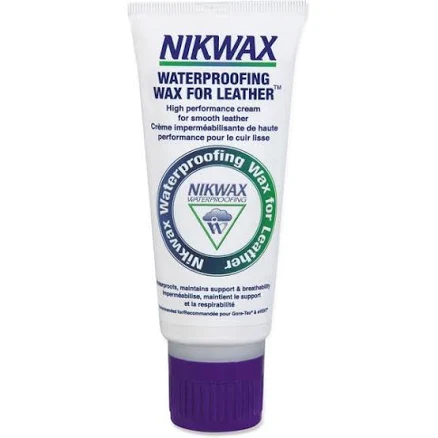
- wax-based waterproofing
- The brand calls it PFAS-free, which we have not verified
- Respiratory irritation or fume inhalation during application
2 hazards checked on this product, all on its full breakdown.
Find an alternative on Amazon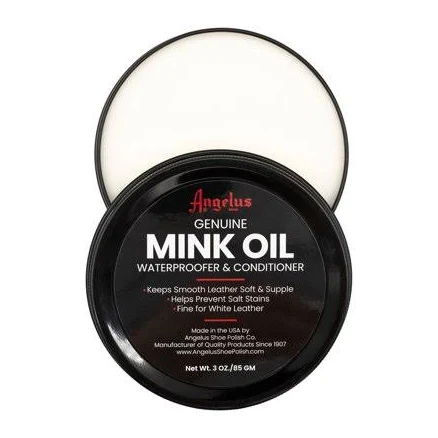
- mink oil paste, natural oil-based conditioner
- We found no PFAS statement from the brand
- Microbial growth (natural oil rancidity)
2 hazards checked on this product, all on its full breakdown.
Find an alternative on Amazon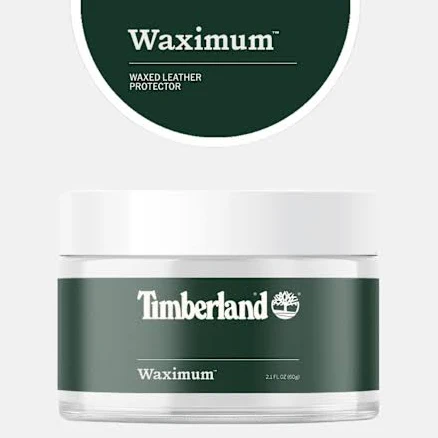
- Wax-based leather protector
- We found no PFAS statement from the brand
- Volatile organic compounds (VOCs) from solvents
3 hazards checked on this product, all on its full breakdown.
Find an alternative on AmazonMore fabric stain guard sprays grades
How we score, every product runs through the same public 0-100 rubric based on materials, coatings, brand disclosure, lab findings, and recalls. See the full methodology → Spotted a mistake? Report an error.